China Best Horizontal Screw Conveyor for Efficient Bulk Handling?
In today’s fast-paced manufacturing landscape, efficient bulk handling is crucial. The horizontal screw conveyor plays a vital role in this process. With an estimated global market for conveyor systems projected to reach $9.2 billion by 2026, businesses must adapt to meet this growing demand. Manufacturers are increasingly relying on horizontal screw conveyors for their versatility and reliability.
These systems efficiently transport bulk materials across varied distances. However, they are not without challenges. Wear and tear can lead to increased maintenance costs, and improper installation may result in inefficiencies. A recent study highlighted that up to 25% of conveyor downtime is due to avoidable issues. Addressing these pitfalls is essential for maximizing operational efficiency.
Investing in quality horizontal screw conveyors can yield significant benefits. Enhanced throughput and reduced labor costs make them attractive options. Companies that utilize these systems often report improved productivity. Nevertheless, businesses should continually assess their conveyor systems to ensure they meet evolving industry standards.
Overview of Horizontal Screw Conveyors in China
Horizontal screw conveyors play a crucial role in bulk material handling across various industries in China. These systems are designed to transport a wide range of materials efficiently. According to recent industry reports, the screw conveyor market in China is expected to grow steadily, with a projected CAGR of 5.6% from 2021 to 2026. This growth is driven by increasing industrial activity and the need for automated handling solutions.
The design of horizontal screw conveyors allows them to transport materials over short to medium distances. They are particularly effective for handling bulk powders, granules, and other loose materials. In China, the demand for such equipment is rising, especially in sectors like food processing, agriculture, and construction. However, challenges remain, including the need for regular maintenance and the potential for material segregation during transport.
In practice, the performance of these conveyors is influenced by factors such as feed rates and material characteristics. Industry experts underline the importance of selecting the right diameter and screw pitch to avoid bottlenecks. Even with advancements, there is room for improvement in optimizing energy efficiency and enhancing system reliability. Investing in better materials and technology might address these issues, but the path forward is not without its complexities.
Key Features and Benefits of Horizontal Screw Conveyors
Horizontal screw conveyors are an excellent choice for efficient bulk material handling. They offer a range of features that enhance productivity and ease of use. One of the key advantages is their ability to handle various materials, including powders, granules, and even small lumps. This versatility makes them suitable for many industries, from agriculture to construction.
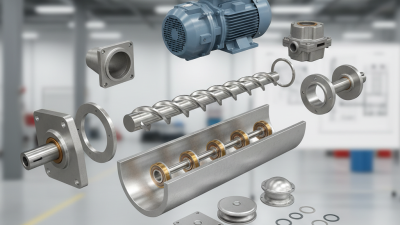
These conveyors have a simple design. They consist of a rotating helical screw that moves materials along a fixed trough. This design minimizes the risk of spills and blockages. Their enclosed structure also helps in reducing dust emissions. Less dust means a cleaner workspace and better health for operators.
Tips: Regular maintenance is crucial. Inspect the screw for wear and tear. Proper lubrication can prevent unnecessary friction and extend the conveyor's life. Another point to consider is the need for precise alignment during installation. Misalignment can cause unexpected breakdowns.
Efficiency is another notable benefit. Horizontal screw conveyors can operate at different speeds. Slow speeds are ideal for fragile materials, while faster speeds work well for durable items. However, balancing speed with material type is vital. Overlooking this aspect may lead to material damage or reduced effectiveness.
Efficiency of Horizontal Screw Conveyors
Applications of Horizontal Screw Conveyors in Bulk Handling
Horizontal screw conveyors play a crucial role in bulk handling across various industries. These systems are designed to move materials efficiently and can handle a wide range of substances, from granular to powdered. According to a report by Grand View Research, the global market for screw conveyors is expected to reach $4.5 billion by 2025, driven by their versatility and efficiency.
Industries such as agriculture, mining, and manufacturing extensively use horizontal screw conveyors. They transport materials like grains, sand, and cement. Their ability to operate in tight spaces is particularly beneficial in facilities with limited room. Additionally, they provide consistent material flow, reducing downtime and maximizing productivity.
It’s essential to consider the maintenance of these conveyors. Regular checks can prevent costly breakdowns. Ensuring proper alignment and lubrication enhances their lifespan. Operators should also evaluate load capacity to prevent overloading, which can lead to inefficiency.
Using horizontal screw conveyors can improve workflow and efficiency. However, it is vital to analyze your specific needs before implementation. A reliable system should fit seamlessly into your existing operations, providing long-term benefits and minimizing disruptions.
Comparison with Other Bulk Handling Equipment
In the realm of bulk handling, horizontal screw conveyors play a vital role. They excel in transporting a variety of materials efficiently. According to industry reports, these conveyors can move bulk materials at rates of up to 500 tons per hour. This statistic reflects their functional advantage over traditional conveyor systems.
When comparing horizontal screw conveyors to other bulk handling equipment, performance varies significantly. For example, bucket elevators can handle bulk products vertically but often require more space. In contrast, horizontal screw conveyors need minimal footprint. Additionally, they experience lower wear and tear, resulting in reduced maintenance costs. Yet, the efficiency can be impacted by the material’s characteristics and the incline angle.
However, there are limitations to address. Horizontal screw conveyors may struggle with certain materials, leading to blockages. The design needs to accommodate specific bulk densities to ensure optimal performance. Data shows that materials with higher moisture content can cause issues in flow. Selecting the appropriate equipment for material type is crucial for operational success.
Factors to Consider When Selecting a Horizontal Screw Conveyor
When selecting a horizontal screw conveyor, several factors are essential. The material characteristics play a crucial role. Different materials have varying densities and flow properties. This affects the size and power requirements of the conveyor. Understand the granulation of your material. Is it fine or coarse? This will determine the screw design needed.
Another key factor is the length and angle of the conveyor. A longer conveyor may require additional horsepower to perform effectively. The angle of inclination can significantly impact the conveyor’s efficiency. A steeper angle often leads to material degradation. Assess the space available for installation. It's crucial for planning and layout.
Performance is also tied to maintenance needs. Choose a conveyor with accessible parts for easy servicing. Consider the long-term reliability of the equipment. Ensure that manufacturers provide support and information. This can help you avoid costly downtime later. Reflect on your operational goals. Are you looking for speed or efficiency? Prioritizing one over the other can help narrow your choices.