Best Horizontal Screw Conveyor for Efficient Material Handling?
In the realm of material handling, the horizontal screw conveyor stands out for its efficiency and versatility. John Smith, a well-respected expert in the industry, stated, "The horizontal screw conveyor revolutionizes how we handle bulk materials." This technology enables seamless transport, making it a critical component in many operations.
Yet, the journey to selecting the best horizontal screw conveyor is not without challenges. Companies often underestimate the need for proper specifications. A conveyor that is too small can hinder productivity, while an oversized unit can lead to unnecessary expenses.
Understanding the intricacies of this equipment is vital for success. Factors such as size, capacity, and material compatibility play a critical role in performance. Balancing these elements is often a struggle for many businesses. Therefore, thorough research, consultation with experts, and ongoing evaluation are essential for making informed decisions and achieving optimal efficiency in material handling processes.
Definition and Function of Horizontal Screw Conveyors
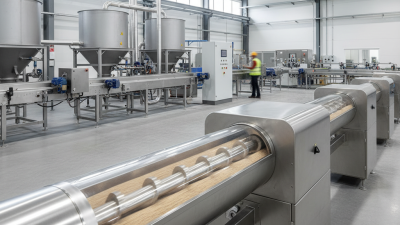
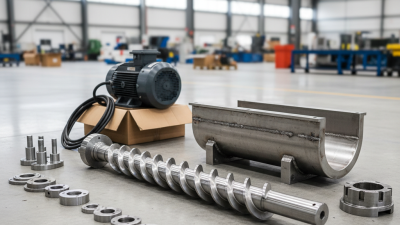
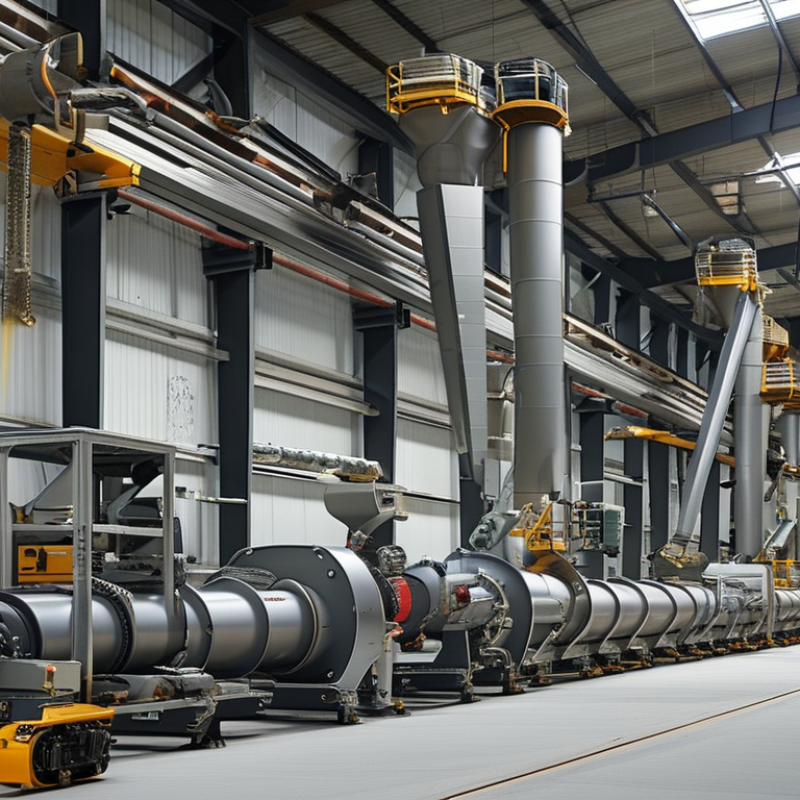
Horizontal screw conveyors are essential tools in modern material handling. They efficiently transport bulk materials in a controlled manner. These systems utilize a rotating screw blade within a tube or trough, moving materials from one point to another. Their design allows for flexibility in layout, which is crucial in various industries.
The function of horizontal screw conveyors goes beyond mere transport. They can also mix, blend, and condition materials. This versatility makes them suitable for diverse applications ranging from agriculture to manufacturing. However, their efficiency relies on proper design, installation, and maintenance. Sometimes, users overlook the importance of regular checks, leading to potential jams or wear.
While horizontal screw conveyors excel in many areas, they are not flawless. They may struggle with abrasive materials or extreme environmental conditions. Additionally, the need for adequate adjustments in speed and angle can be overlooked, affecting performance. Recognizing these limitations is vital for optimizing the use of screw conveyors in operations.
Best Horizontal Screw Conveyor for Efficient Material Handling
| Dimension |
Description |
Material Types |
Applications |
Efficiency Rating |
| Length |
Standard lengths range from 3 to 100 feet |
Granular materials, powders |
Food processing, agriculture |
High |
| Diameter |
Common diameters range from 4 to 16 inches |
Cement, plastic pellets |
Construction, manufacturing |
Medium |
| Capacity |
Capacities vary from 1 to 100 tons per hour |
Metals, ores |
Mining, recycling |
Very High |
| Material Construction |
Options include carbon steel, stainless steel |
Wood pellets, biomass |
Energy production |
High |
| Power Requirement |
Typically ranges from 2 to 20 HP |
Agricultural seeds, fertilizers |
Farming, horticulture |
Medium to High |
Key Features of Efficient Horizontal Screw Conveyors
Horizontal screw conveyors play a vital role in material handling across various industries. Their design allows for the efficient transport of bulk materials in a horizontal plane, enhancing operational workflow. According to industry reports, efficient screw conveyors can achieve up to 80% energy savings compared to traditional belt conveyors, making them a more environmentally friendly option.
Key features of efficient horizontal screw conveyors include sturdy construction and versatile feed rates. A well-designed system can handle varying material types, from powders to granules. The typical diameter ranges from 4 to 12 inches, depending on the application needs. Flexibility in installation angles allows for integration into existing production lines. However, this adaptability requires careful consideration of material properties to avoid issues like segregation or blockages.
Another noteworthy aspect is the maintenance and operational reliability. Data indicates that properly maintained screw conveyors can have a lifespan of over 10 years. However, wear and tear are common challenges. Regular inspections can mitigate unexpected downtimes. Users should be mindful of the wear on screw flights, which can affect performance over time. Properly assessing these elements can lead to significant improvements in material handling efficiency.
Factors to Consider When Choosing a Screw Conveyor
When selecting a horizontal screw conveyor, various factors play a crucial role in ensuring efficiency. Material characteristics are of primary importance. Different materials, such as powders, granules, or slurries, each require specific handling techniques. Understanding the flowability and abrasiveness is vital. This knowledge helps in choosing the right materials for the screw and tube construction.
Another significant factor is the conveyor's capacity and length. The design must accommodate the expected volume of material. Additionally, the distance that the material needs to travel impacts the motor's power requirements. A longer conveyor may need a more powerful motor to overcome friction and maintain flow. This is often overlooked and can lead to inefficient operations.
Consideration should also be given to the installation and maintenance of the conveyor system. A design that allows easy access for repair can save time and money. Regular checks can catch issues before they escalate, but not all systems facilitate this well. Reflecting on the mechanical integrity and ensuring robust installation practices can lead to a more reliable setup.
Applications of Horizontal Screw Conveyors in Various Industries
Horizontal screw conveyors are essential in various industries for efficient material handling. These systems play a crucial role in the food processing, agriculture, and construction sectors. According to a report by the International Journal of Engineering Research, about 30% of material handling systems utilize screw conveyors due to their versatility and reliability.
In the food processing industry, horizontal screw conveyors are used for transporting bulk ingredients. They ensure even distribution and minimize contamination risks. The American Institute of Baking states that these systems can increase productivity by up to 25% compared to traditional methods. However, they can also present maintenance challenges. Regular inspections are crucial to prevent breakdowns and ensure optimal operation.
In agricultural applications, screw conveyors move grains and fertilizers efficiently. Data from the Food and Agriculture Organization indicates that effective material handling can reduce labor costs by nearly 15%. Yet, operators must be aware of the potential for wear and tear on the screw shaft. Monitoring these aspects is vital for maintaining operational efficiency. Effective training for operators can mitigate these risks and enhance reliability.
Maintenance Best Practices for Optimal Performance
Horizontal screw conveyors are vital for effective material handling. Regular maintenance practices are essential in ensuring these systems operate at peak performance.
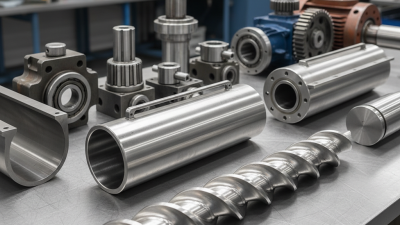
It’s crucial to inspect the conveyor regularly. Checking for any signs of wear, such as broken flights or damaged screws, can prevent larger issues. Over time, the seals and bearings may wear out. Addressing these small problems early can save on costly repairs.
Proper lubrication is key to smooth operation. Regularly apply lubricant to the gearbox and bearings. However, be mindful of over-lubrication, which can attract dirt and debris. This buildup may lead to increased friction and wear.
Additionally, monitoring the alignment of the conveyor is vital. Misalignment can cause uneven wear and reduce efficiency. It’s a good practice to conduct routine checks on the conveyor’s alignment to ensure it operates correctly. Maintaining these practices ensures that your horizontal screw conveyor remains a reliable part of your material handling process.
Efficient Material Handling with Horizontal Screw Conveyors