Best Horizontal Screw Conveyor Solutions for Your Business Needs?
In the realm of bulk material handling, choosing the right equipment is crucial. One such solution is the horizontal screw conveyor. This equipment is designed to transport various types of materials efficiently. Its specific design allows it to handle both small and large volumes with ease.
Horizontal screw conveyors are versatile. They can be used in industries ranging from food processing to construction. However, selecting the correct model for your needs can be challenging. Considerations include material type, flow rate, and space limitations.
While many suppliers offer horizontal screw conveyor solutions, not all are created equal. It's essential to do thorough research. Look for reputable brands that provide reliable products and customer support. Missteps in selection can lead to inefficiencies and increased costs. Hence, aligning your business needs with the right conveyor is necessary.
Understanding Horizontal Screw Conveyors and Their Applications
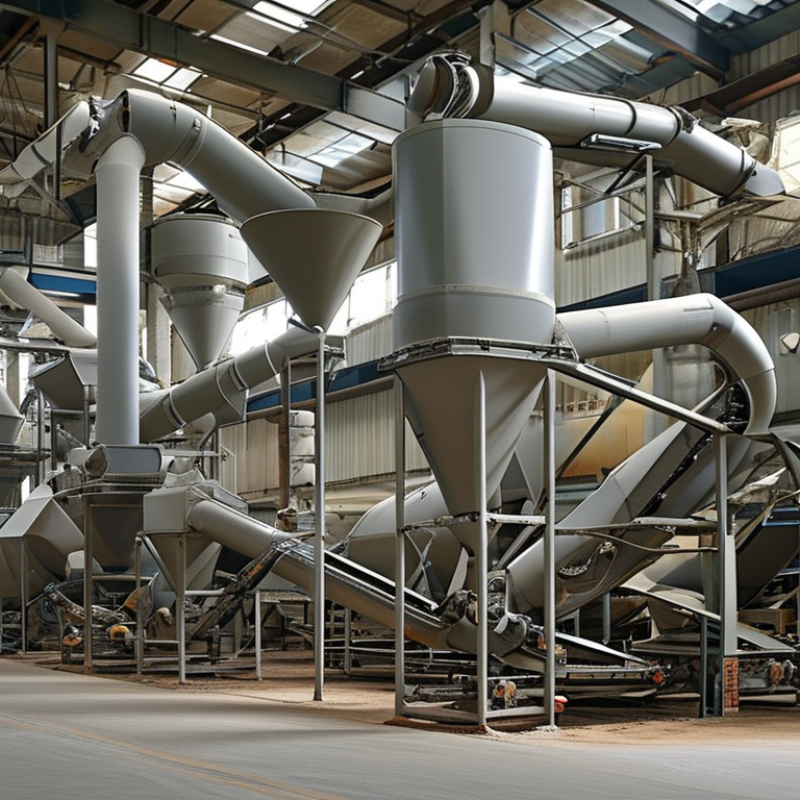
Horizontal screw conveyors are essential in various industries. They efficiently transport bulk materials over short to moderate distances. These conveyors utilize a rotating helical screw blade. This design helps in moving materials, making them ideal for handling grains, powders, and even sludge.
The versatility of horizontal screw conveyors is remarkable. Businesses can adapt them for different applications, from agricultural sectors to wastewater treatment. They can be used for loading and unloading materials or conveying them between processes. However, improper installation can lead to product damage or reduced efficiency. Regular maintenance is also critical, as wear and tear can affect performance.
One should consider the specific needs of their operation before investing. Each application may require adjustments in screw pitch or diameter. These choices can impact material flow and handling. By understanding these factors, businesses can optimize their conveyor systems for better performance.
Key Factors to Consider When Choosing a Horizontal Screw Conveyor
When selecting a horizontal screw conveyor, several key factors must be considered. The first aspect is the material being conveyed. Different materials have unique characteristics, like flowability and density. Understanding these traits helps in choosing the right design. Additionally, consider the conveyor's capacity. This affects both the efficiency of transport and the operational cost.
**Tips:** Examine the bulk density of your material. This measurement is crucial for ensuring that your conveyor will operate effectively.
Another critical factor to think about is the screw pitch and diameter. A larger diameter can handle more material at once, but it may require more power. Balance is needed. Another element to reflect on is the angle of incline. This can affect loading and offloading efficacy. Pay attention to your specific application needs.
**Tips:** Consider how your conveyor systems are situated. An inadequate layout might lead to inefficiencies in handling materials.
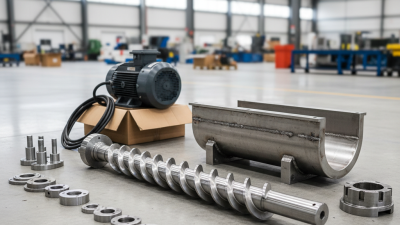
Maintenance and wear also play a significant role. Regular checks on components like bearings and screws contribute to longevity. Choose conveyors designed with easy maintenance in mind. This can save time and costs in the long run. Awareness of these considerations will guide you in making the best decision for your business.
Best Horizontal Screw Conveyor Solutions for Your Business Needs
| Dimension |
Material |
Capacity (tons/hour) |
Length (meters) |
Power (kW) |
| 10" x 5' |
Carbon Steel |
25 |
5 |
4 |
| 12" x 10' |
Stainless Steel |
30 |
10 |
5.5 |
| 14" x 15' |
Aluminum |
35 |
15 |
7.5 |
| 16" x 20' |
Carbon Steel |
40 |
20 |
10 |
| 18" x 25' |
Stainless Steel |
50 |
25 |
15 |
Comparative Analysis of Horizontal Screw Conveyor Designs
When considering horizontal screw conveyors, understanding design variations is crucial. Different designs can impact efficiency, maintenance, and material handling. A robust design can greatly reduce downtime and optimize workflow. Factors such as the screw pitch, diameter, and material strength all influence performance.
**Tips**: Review your material characteristics before choosing a design. Ensure compatibility to prevent damaging your equipment. Also, consider the length of the conveyor. A longer conveyor length may affect capacity and speed.
Analyzing the common types, such as single and twin screw designs, can provide insights into their use cases. Twin screws offer better mixing and control, making them suitable for diverse materials. However, they are often more complex and may need specific maintenance. Single screws are simpler and often more cost-effective, yet they may not handle certain materials as efficiently.
**Tips**: Regularly inspect the conveyor for wear and tear. This can prevent unexpected breakdowns. Evaluate if your current design meets evolving business needs, as upgrades could enhance productivity significantly.
Maintenance Best Practices for Optimal Screw Conveyor Performance
Maintaining a screw conveyor is crucial for its performance. Regular inspections help identify wear and tear on components. Look for signs of misalignment, which can cause extra strain. This strain can lead to more severe issues over time. Lubricating moving parts is essential. Without proper lubrication, friction increases, resulting in faster deterioration.
Cleaning the conveyor system is another key practice. Dust and debris can accumulate, impacting its efficiency. Schedule routine cleaning sessions to maintain flow and prevent blockages. Replacing worn parts promptly reduces the risk of breakdowns. However, it's easy to overlook smaller components. Small issues can lead to larger complications.
Employees should receive training on proper usage and maintenance. Neglecting correct handling, knowingly or unknowingly, can cause significant problems. Documenting maintenance actions creates a reliable reference. This can help in tracking patterns in repairs, potentially preventing future issues. Regular reviews of maintenance practices are valuable. They allow businesses to adapt and improve over time.
Innovative Horizontal Screw Conveyor Solutions for Diverse Industries
Horizontal screw conveyors play a vital role in various industries. These systems offer innovative solutions to transport materials efficiently. They excel in handling bulk materials such as grain, sand, or even powders. Their flexible design supports different configurations and layouts, making them suitable for many processes.
In food processing, precision is key. The right horizontal screw conveyor can minimize contamination. Selecting the appropriate materials and design is crucial. In manufacturing, these conveyors streamline operations, reducing manual labor and increasing productivity. However, one must assess their efficiency, as poor installation may lead to unexpected downtime.
Different industries have unique challenges. Customization is often necessary for optimal performance. Regular maintenance is essential to ensure longevity. It's important to review and refine conveyor systems periodically. This continual assessment can uncover inefficiencies and lead to more effective solutions. With the right approach, businesses can maximize benefits from horizontal screw conveyors.