Top 10 Screw Conveyor Components for Efficient Material Handling?
Efficient material handling is vital in today’s industry. A well-functioning screw conveyor system can enhance productivity significantly. Understanding the key screw conveyor components is necessary for optimal performance.
In this article, we explore the top 10 components that make up a screw conveyor. These parts each play a crucial role in ensuring smooth operation. Properly selected components can help reduce maintenance costs and improve reliability. Yet, many users overlook their importance.
Choosing the right screw conveyor components requires knowledge and experience. It's not just about purchasing parts; it’s about understanding how they work together. Manufacturers often face challenges when adapting existing systems. They must consider the specific requirements of the materials being handled. This complexity can lead to inefficiencies if not managed properly. By revisiting these components, we can enhance our material handling strategies.
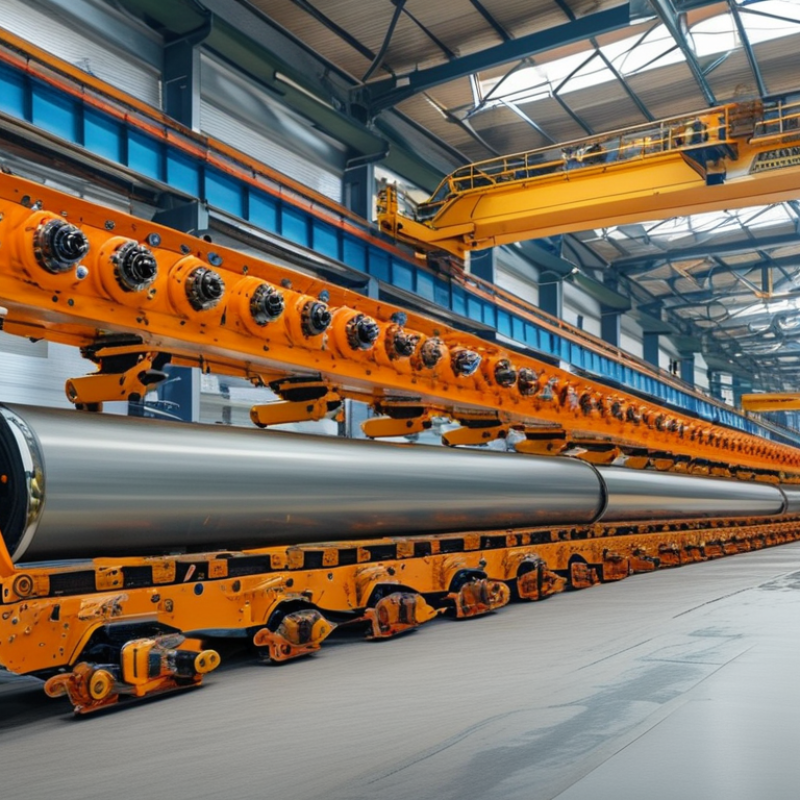
Introduction to Screw Conveyors and Their Importance in Material Handling
Screw conveyors play a vital role in efficient material handling. They are designed to transport bulk materials smoothly and reliably. According to a report from the International Conveying Systems Association, screw conveyors are often preferred in industries like agriculture, chemicals, and mining. Their versatility allows them to handle various materials, from granules to powders.
When considering material handling solutions, it's essential to recognize the impact of screw conveyor components on efficiency. A well-designed screw conveyor can significantly reduce operational costs. The right configuration can enhance flow rates while minimizing downtime. Data suggests that optimizing screw design can lead to a 30% increase in efficiency.
Tip: Regular maintenance of screw conveyor parts is crucial. This not only extends the lifespan but also enhances performance. Check for wear and tear periodically to avoid unexpected failures.
Another point of reflection is the importance of material compatibility with the screw conveyor. Using the wrong material can lead to inefficiencies or even product contamination. Ensure your screw design aligns with the properties of the material being handled.
Tip: Conduct tests on new materials before large-scale implementation. Proper testing helps avoid costly mistakes and promotes efficient material handling practices.
Top 10 Screw Conveyor Components for Efficient Material Handling
This bar chart illustrates the importance of various screw conveyor components in enhancing material handling efficiency. Each component's effectiveness is evaluated based on operational effectiveness, cost efficiency, and durability.
Key Components of Screw Conveyors for Optimized Performance
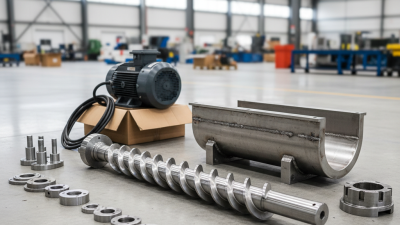
Screw conveyors are essential in material handling, especially in bulk transport. Their efficiency largely depends on key components that ensure seamless operation. Among these components, the screw, often made of high-strength steel, plays a vital role. A report by the Conveyor Equipment Manufacturers Association indicates that nearly 80% of operational issues stem from screw design flaws. Properly designed screws can enhance material flow and reduce wear.
Another crucial component is the trough. Selecting the right trough size directly impacts the conveyor's capacity. Troughs must be designed to minimize material sticking and ensure smooth operations. Studies suggest that improper trough sizing can lead to a 30% decrease in efficiency. Additionally, various configurations, such as U-shaped and tubular, allow adaptation to specific materials being transported.
Lastly, drive systems deserve attention. Reliable drive mechanisms are essential for consistent performance. A well-calibrated drive can greatly affect overall energy consumption. Exploration of motor types shows alternatives such as hydraulic and electric systems each with unique benefits. However, changing motor types presents a challenge. Compatibility with existing systems often requires careful evaluation to avoid unforeseen operational disruptions. Ensuring these components work harmoniously can lead to improved operational efficiency.
Functionality of Augers in Screw Conveyor Systems
Screw conveyors are essential for efficient material handling. At the heart of these systems is the auger. The auger rotates, allowing it to transport bulk materials effectively. Its design influences flow rates and the overall efficiency of the system. Understanding its functionality can enhance productivity.
The auger’s pitch and diameter are critical factors. A steeper pitch moves materials faster but can cause flow issues. Conversely, a shallow pitch is gentler but may reduce throughput. Balancing these aspects is vital for optimal performance. Users often make adjustments based on material type and desired speed. This trial and error might lead to unexpected outcomes.
Tip: Regularly inspect the auger for wear and damage. Small issues can escalate into major problems, affecting performance. Monitoring maintenance can save time and costs.
Another consideration is the auger’s material. Choosing the right material for specific materials is essential. Stainless steel, for instance, resists corrosion, while carbon steel suits less corrosive materials. Still, not all choices are straightforward. Weighing the pros and cons is necessary for making informed decisions.
Tip: Assess your material properties before selecting an auger. This helps in choosing the right configuration for your needs.
Top 10 Screw Conveyor Components for Efficient Material Handling
| Component |
Material |
Functionality |
Typical Applications |
Maintenance Requirement |
| Auger |
Carbon Steel |
Transporting bulk materials |
Food processing, agriculture |
Low maintenance |
| Screw Shaft |
Stainless Steel |
Provides rotational force |
Pharmaceutical, chemical |
Medium maintenance |
| Tube |
Aluminum |
Houses the auger |
Heavy-duty environments |
Low maintenance |
| End Caps |
Plastic |
Prevents material spillage |
Various industries |
Medium maintenance |
| Hanger Bearings |
Bronze |
Supports the screw shaft |
Industrial applications |
Regular checks required |
| Drive Unit |
Electric Motor |
Controls the screw speed |
All handling systems |
Medium maintenance |
| Inlet / Outlet Hoppers |
Steel |
Facilitates material loading/unloading |
Bulk material handling |
Low maintenance |
| Screw Flights |
Mild Steel |
Transfers materials |
Agriculture, mining |
High wear, frequent inspection |
| Seal |
Rubber |
Prevents leaks |
Any screw conveyor |
Regular checks |
Role of Housings and Troughs in Material Containment
The efficiency of a screw conveyor largely depends on its components. Among the critical elements are housings and troughs. These components play a vital role in ensuring that materials are contained during transit. A well-designed housing prevents leaks, which can lead to material loss. This is crucial in industries where resources are precious.
Troughs come in various shapes and sizes. Their design influences how the materials flow through the conveyor. If the trough is too shallow or too deep, it may disrupt flow. This inefficiency can cause blockages or uneven material distribution. It's important to assess the specific needs of the material being transported. Adjusting the trough dimensions can lead to significant improvements in performance.
However, even with ideal housing and trough design, issues may arise. Wear and tear can affect containment over time. Regular maintenance checks are essential to ensure everything functions correctly. This oversight is often where companies falter. Ignoring these details can result in operational delays and increased costs. Effective material handling requires attentiveness to every component.
Significance of Drive Mechanisms in Efficient Material Transport
Drive mechanisms play a critical role in the efficiency of screw conveyors. They determine how effectively materials are moved within a system. A well-designed drive contributes to reduced wear and tear on components. This leads to less frequent maintenance and lower operational costs. According to industry studies, up to 40% of energy losses in material handling systems stem from inadequate drive design.
Efficient drives enhance speed and reliability in material transport. Many reports indicate that misplaced drive ratios can decrease operational efficiency by up to 30%. As a result, selecting the right drive mechanism is essential. Advanced technologies, such as variable frequency drives (VFDs), allow for adjustable speeds, giving users greater control. This adaptability can lead to a more streamlined operation and better handling of diverse materials. Moreover, incorporating safety measures in the design reduces risks associated with equipment failures.
Despite these advancements, some companies still overlook the significance of drive selection. Focusing solely on initial costs rather than long-term benefits can lead to inefficiencies. The need for continuous examination of drive mechanisms is crucial for optimizing performance. Balancing costs with efficiency can ultimately improve the overall system reliability, ensuring sustainable operations.