Top 10 Food Machinery Manufacturers in China?

China’s food machinery sector serves a vast and changing food industry. Buyers compare more than price. They inspect stainless-steel welds, changeover time, cleaning access, spare-parts availability, and whether a line can handle local ingredients. Small details matter. A poorly placed valve can slow cleaning; an awkward control panel can complicate a shift.

Grand View Research estimated the global food processing equipment market at about US$58.4 billion in 2023, with continued growth projected through 2030. This is a market estimate, not a guarantee of sales for any manufacturer. FAO’s 2023 report, The State of Food and Agriculture, estimated that 13.2% of food was lost after harvest and before retail in 2021. Better processing equipment can help manage quality and throughput, but machinery alone cannot solve food loss. Operating practices matter, too.

Food-engineering authority R. Paul Singh has contributed extensively to research and teaching in food processing. A useful question, consistent with that engineering perspective, is: “Can this line meet its production target while protecting product quality?” This is an editorial question, not a direct quotation from Singh. That distinction matters when evaluating supplier claims. The manufacturers in this guide are assessed through practical considerations, including product range, technical support, customization, and export experience. No ranking can replace a factory visit or a careful acceptance test. Real performance may differ from a brochure. Readers should verify specifications, references, and after-sales commitments before choosing a partner.
Top 10 Food Machinery Manufacturers in China?

Food Machinery Manufacturing in China: Industry Scope and Market Context

China’s food machinery sector serves a broad production chain: grain cleaning, milling, mixing, cooking, filling, and packaging. The National Bureau of Statistics reported that China produced 695.41 million tonnes of grain in 2023, illustrating the scale of its agricultural supply base. This volume creates demand for equipment that can handle steady throughput, changing raw-material quality, and precise process control. Scale matters.

The OECD-FAO Agricultural Outlook 2024–2033 projects global agricultural and fish production to rise by 14% over the decade. That is a global forecast, not a China-specific machinery sales estimate. It points to wider demand for processing capacity, but does not guarantee orders for every equipment category. In practice, manufacturers may differ in automation, hygiene design, energy use, and support for line integration. Published market figures also vary by definition, so comparisons need care.

Tips: When assessing a supplier, match rated capacity to your actual product and shift schedule. Ask for cleaning access, spare-parts lead times, and test-run records. A fast line can still become a bottleneck.

Criteria for Selecting Ten Leading Chinese Manufacturers

Selecting ten leading food machinery manufacturers in China requires more than comparing catalogues or factory size. Start with product fit: a line designed for frozen dumplings may not suit bakery dough or fresh produce. Ask for equipment drawings, rated output, and the materials used on food-contact surfaces. Specific answers are reassuring.

Then examine performance evidence. Request a live or recorded production trial using ingredients similar to yours, and check whether stated capacity includes loading, cleaning, and changeovers. Ask how the machine handles jams and what routine maintenance involves. Details matter. A polished demonstration can still hide slow changeovers or difficult access for cleaning, so inspect guards, welds, and service points closely.

Reliability also depends on support after delivery. Compare spare-part availability, technician response times, installation guidance, and training arrangements. Verify certificates and customer references directly rather than relying on a brochure alone. If possible, speak with a buyer operating similar equipment at a similar scale. Ask for the awkward details, too: actual running speed, common wear parts, and delays during commissioning. No single score captures every buyer’s needs; a small producer may value simple operation, while a large plant may prioritize automation. That trade-off deserves honest scrutiny.

Profiles of Ten Food Machinery Manufacturers in China

Profiles of Ten Food Machinery Manufacturers in China

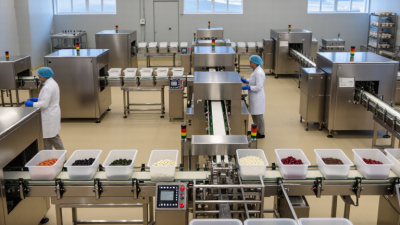
China’s food machinery sector includes makers with very different strengths. One focuses on grain mills, with adjustable rollers for flour texture. Another builds bakery equipment, such as dough mixers and tunnel ovens. A meat-processing manufacturer may supply cutters, mixers, and portioning machines. Its equipment needs careful cleaning between production runs.

Other manufacturers specialize in washing and sorting fruit and vegetables, dairy processing, or snack extrusion. Their designs can differ in contact surfaces, temperature control, and line speed. One beverage-equipment producer may handle rinsing and filling, while another focuses on industrial freezing. Packaging machinery makers round out the field, from sealing units to integrated packing lines.

Turnkey suppliers offer a tenth profile: they coordinate several machines into one production line. Useful questions go beyond price. Ask about tested output, changeover time, spare-part availability, and cleaning access. Request a sample run using ingredients similar to yours. Brochures often make a line look simpler than it is. That deserves scrutiny. Some suppliers may explain capacity clearly but provide fewer details on maintenance. Compare written specifications with a factory visit or live demonstration, and verify claims before choosing.

Main Equipment Categories and Manufacturing Capabilities

China’s food machinery sector covers grain milling, bakery production, meat and seafood processing, dairy, beverages, fruit and vegetable preparation, and packaging. A capable manufacturer may supply individual machines or connect a full line, from washing and cutting to filling and sealing. Grand View Research’s Food Processing Equipment Market report estimated the global market at USD 58.3 billion in 2023, with projected annual growth of 6.1% from 2024 to 2030. That demand makes hygienic design and dependable output practical priorities, not showroom extras.

Manufacturing capability is best judged on details: stainless-steel weld quality, machining tolerances, cleanable pipework, guarded moving parts, and whether control systems can track temperature and line speed. Ask for test-run records using materials similar to yours. Check whether the supplier can document changeover time, expected yield, spare-part lead times, and service response. Small details matter. A polished demonstration may not reveal cleaning dead zones or unstable filling accuracy at full speed. I would also treat a broad product catalogue cautiously; it does not prove equal expertise across every process. Compare technical drawings, factory acceptance test procedures, and installation plans before assessing price.

Top 10 Food Machinery Manufacturers in China? - Main Equipment Categories and Manufacturing Capabilities

Anonymous industry overview: the entries below describe common equipment specializations and manufacturing capabilities in China’s food-machinery sector. They are not named companies or a verified ranking.

No. Main Equipment Category Typical Equipment Common Manufacturing Capabilities Typical Applications Customization Scope
01 Grain milling and handling Cleaning, conveying, milling, sifting and storage equipment Fabrication of steel structures, sheet-metal enclosures, conveyors and process assemblies; integration of motors and controls Flour, rice, grains and other dry agricultural products Plant layout, throughput, material flow and conveying routes
02 Bakery and dough processing Mixers, dividers, moulders, proofers, ovens and cooling conveyors Mechanical assembly, temperature-control integration, conveyor fabrication and production-line coordination Bread, biscuits, pastries and other baked goods Product size, baking profile, line speed and oven configuration
03 Meat and poultry processing Cutting, mixing, grinding, tumbling, forming and portioning machinery Stainless-steel fabrication, hygienic equipment assembly, guarded moving parts and washdown-oriented design Meat, poultry and prepared-protein products Product dimensions, processing sequence, capacity and line arrangement
04 Fruit and vegetable processing Washing, sorting, peeling, cutting, pulping and blanching equipment Conveyor and tank fabrication, modular machine assembly, pumps and process-control integration Fresh-cut produce, frozen vegetables, fruit pulp and ingredient preparation Produce type, washing method, cutting format and required capacity
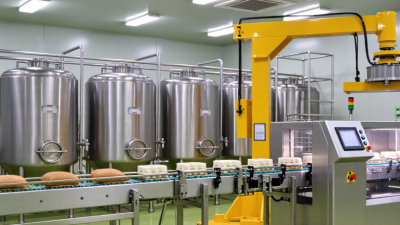
05 Dairy processing Mixing tanks, pasteurization systems, homogenizers and filling-line equipment Tank and pipework fabrication, thermal-process integration, pump selection and automated control-panel assembly Milk, yogurt, cream and other liquid or semi-liquid dairy products Process capacity, product viscosity, heating and cooling stages, and filling format
06 Beverage processing Blending tanks, filtration, pasteurization, carbonation and bottle or can filling systems Process skids, stainless pipework, fluid-handling assemblies and electrical and instrumentation integration Water, juice, tea, carbonated drinks and other beverages Container type, filling method, line speed and process sequence
07 Snack and frying equipment Fryers, seasoning systems, extruders, dryers and snack conveyors Thermal equipment fabrication, heating-system integration, conveyor assembly and coordinated line controls Chips, extruded snacks, fried foods and seasoned products Product shape, frying or drying process, seasoning method and production rate
08 Food packaging machinery Weighers, fillers, sealers, wrapping machines, cartoners and case packers Precision mechanical assembly, motion-control integration, sensor installation and packaging-line synchronization Food products packed in bags, pouches, bottles, trays, cans or cartons Package dimensions, product dosing, sealing method and line speed
09 Freezing and refrigeration Blast freezers, spiral freezers, cooling tunnels and refrigeration units Insulated enclosure fabrication, conveyor integration, refrigeration-system assembly and temperature-control setup Frozen foods, bakery products, seafood, meat and prepared meals Product dimensions, loading pattern, freezing method and required throughput
10 Turnkey processing-line integration Combined preparation, processing, conveying, inspection and packaging lines Equipment layout, machine fabrication or sourcing, line integration, control-system coordination and commissioning support Food plants requiring multiple connected production stages Factory layout, product range, automation level, capacity and utilities planning

Note: Capabilities shown are general category-level descriptions. Actual materials, hygienic design, automation, certifications and performance should be confirmed with each supplier.

How to Compare Manufacturers for Different Processing Needs

A useful comparison starts with the product, not the machine catalogue. A liquid sauce line needs stable pumping, controlled heating, and reliable filling. Dough processing depends more on mixing force, resting time, and consistent portioning. For meat, vegetables, or snacks, ask how the equipment handles your product’s size, moisture, and texture. Small details matter. A test using your actual ingredients can reveal sticking, uneven cuts, or slow changeovers that a brochure may not show.

Compare working capacity rather than headline output. Ask whether quoted speed is sustained across a full shift, and what causes downtime. Check product-contact materials, temperature controls, cleaning access, and the time needed to switch recipes. Ask for proof. Request test records, equipment drawings, and clear documentation for installation and maintenance. Also compare spare-part availability and response times, since a low purchase price can hide expensive delays. No single machine suits every factory. Supplier comparisons can feel awkward when specifications are presented differently; a simple checklist helps, though it will not replace a production trial.