How to Choose Food Manufacturing Machinery in 2026?
Choosing food manufacturing machinery in 2026 requires more than comparing prices, speeds, and glossy brochures. The right decision begins with the product. A fragile berry, sticky sauce, powdered supplement, or frozen dumpling creates different engineering demands. Your machinery must protect texture, control contamination risks, and maintain consistent output during long production shifts.
Peter Fellows, a respected food processing author and consultant, states, “Equipment selection must match the product, process, scale, and available resources.” That principle remains practical. A high-speed filler may appear attractive, yet it can waste ingredients when portion accuracy is unstable. A stainless-steel conveyor may look suitable, but poor access points can make sanitation slow and incomplete. Small details matter.
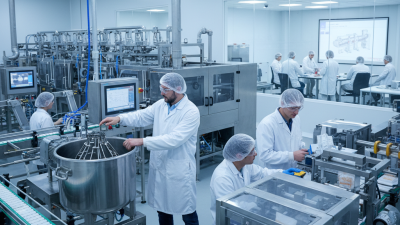
This guide examines how to evaluate food manufacturing machinery for performance, hygiene, flexibility, energy use, and lifetime cost. It considers real factory conditions, including limited floor space, operator training, spare-parts access, and seasonal demand. Experienced buyers should request trial runs with their actual ingredients. Ask suppliers to demonstrate cleaning procedures, changeover time, noise levels, and emergency safeguards. Measure twice.
Reliable selection also requires documented evidence. Review food-contact materials, machine guarding, electrical specifications, validation records, and preventive-maintenance requirements. Regional compliance obligations may differ, so technical claims need independent verification. Not every upgrade pays. A cheaper machine may demand more labor, while an advanced system may remain underused. Some assumptions will fail after installation. That is why careful testing, transparent supplier communication, and post-installation review should guide every purchase.
What Food Manufacturing Machinery Includes in 2026
How to Choose Food Manufacturing Machinery in 2026?
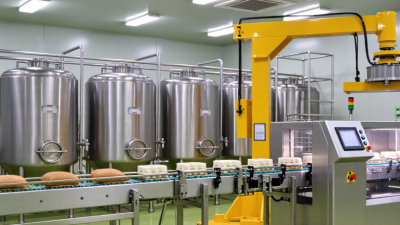
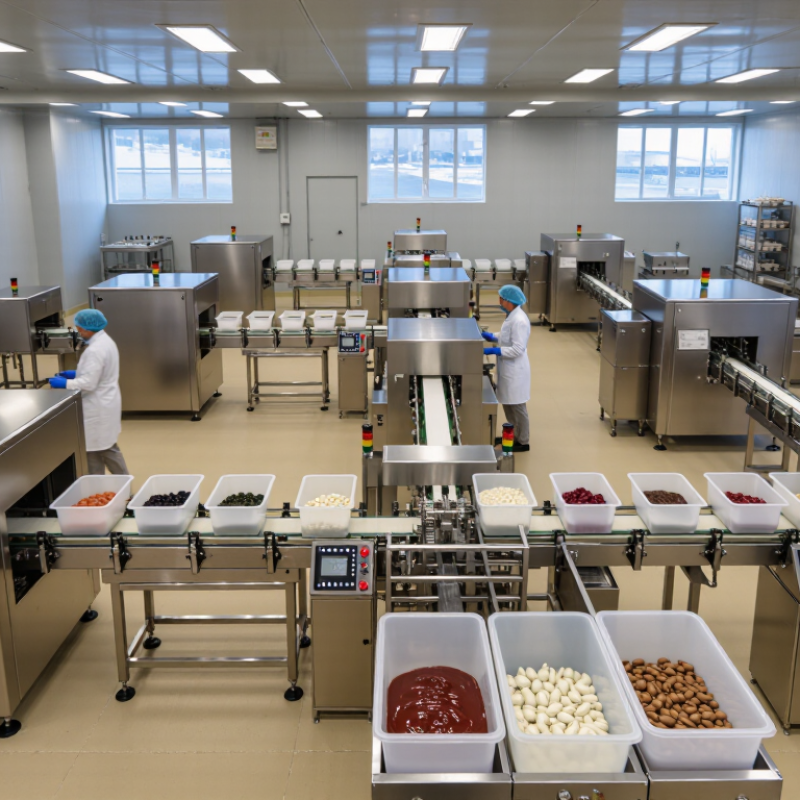
Food manufacturing machinery now covers more than mixers and ovens. A complete line may include receiving hoppers, conveyors, washers, cutters, grinders, mixers, pumps, heat exchangers, fillers, sealers, checkweighers, metal detectors, and vision inspection systems. It also includes cleaning-in-place units, sensors, control software, and traceability tools. In my factory visits, small transfer points often caused larger delays than the main machine. That detail is easy to miss.
The FAO reports that 13.2% of food is lost after harvest and before retail.
The UNEP Food Waste Index Report 2024 also estimates 1.05 billion tonnes of food waste in 2022.
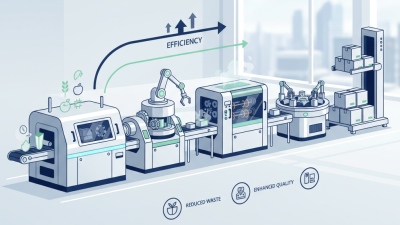
Better dosing, temperature control, sealing, and inspection can reduce avoidable losses. PMMI’s 2024 industry research highlights labor shortages, automation, sanitation, and flexible production as major equipment priorities. Choose machinery that handles your actual product, batch size, cleaning routine, and operator skills. More automation is not always better. I have seen unused features increase training time and maintenance costs.
Tips: Map every process step before requesting quotations. Measure product viscosity, temperature, moisture, and container variation. Check cleanability around seals and dead corners. Request performance tests using your own ingredients. Compare energy, water, spare parts, and changeover costs over five years. Leave room for future sensors, but avoid paying for technology your team cannot support. Reflect honestly: the fastest line may create more waste if workers cannot control it reliably.
How to Define Production Requirements and Product Specifications
Defining production requirements begins with the product, not the machine. Record each SKU’s weight, dimensions, moisture, viscosity, temperature, and texture. A sauce that pours at 20°C may behave differently after chilling. Measure it.
State the required output in units per hour, not vague terms like “high capacity.” Include batch size, operating shifts, expected uptime, changeover time, and acceptable giveaway. PMMI’s 2024 industry research highlights automation, labor efficiency, and flexible production as major equipment priorities. These priorities only matter when linked to measurable targets. For example, specify 3,000 sealed pouches per hour, a 15-minute changeover, and less than 2% product loss. Small details guide better decisions.
Product specifications must also define hygiene and cleaning conditions. Identify allergen controls, contact surfaces, washdown temperatures, cleaning chemicals, and inspection access. The FAO reports that 13.2% of food is lost between harvest and retail, showing why accurate handling and loss control deserve early attention. The UNEP Food Waste Index Report 2024 estimates 1.05 billion tonnes of food were wasted in 2022. That figure is sobering. Still, equipment alone will not solve waste. Operators must test real ingredients, including sticky, fragile, or inconsistent batches. Do not rely only on supplier demonstrations. One overlooked issue, such as foaming during filling, can undermine an otherwise impressive specification. Allow room for revision. Real production is rarely as neat as the spreadsheet.
How to Compare Machine Types, Capacity, and Automation
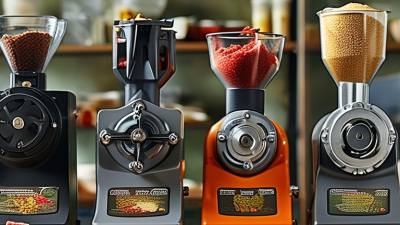
Choosing food manufacturing machinery in 2026 requires more than comparing purchase prices. The machine type must match the product, texture, moisture level, and cleaning routine. A mixer for dough may fail with sticky fillings. A cutter designed for firm vegetables may damage delicate products. During plant assessments, I check product samples before reviewing technical specifications. Small trials often reveal problems that brochures hide.
Capacity should be measured in usable output, not advertised maximum speed. Ask how many kilograms the machine produces per hour during normal operation. Include loading, changeovers, cleaning, and short stoppages. A machine rated for 1,000 kilograms may deliver far less in a busy production room. Measure your current demand and expected growth. Avoid buying capacity that remains idle. That mistake ties up capital and increases maintenance costs.
Automation comparison should include labor, control systems, safety features, and operator training. Semi-automatic equipment may suit varied batches because workers can adjust processes quickly. Fully automated lines improve consistency but require stable recipes, reliable sensors, and skilled maintenance support. Check whether operators can understand alarms without guessing. Review spare parts access and service response times. Data recording is useful, but unnecessary complexity can create new failures. I have seen teams choose advanced controls, then rely on manual notes because training was incomplete. Leave room for correction. Pilot testing, sanitation checks, and realistic production trials provide stronger evidence than impressive demonstrations.
How to Assess Costs, Suppliers, Installation, and Future Support
Choosing food manufacturing machinery in 2026 requires more than comparing purchase prices. A cheaper unit may demand costly utilities, custom tooling, and frequent technician visits. Build a five-year total-cost model covering energy, labor, sanitation, spare parts, software, training, and planned downtime. Request test-run data using your actual product, packaging, speed, and cleaning cycle. A spreadsheet can still lie.
Supplier assessment should include audited references, service response times, documentation quality, and spare-parts availability in your region. Deloitte’s 2024 Smart Manufacturing and Operations Survey found that 86% of manufacturing leaders view smart manufacturing as important for competitiveness within three years. That matters, but connectivity should solve a clear problem. Do not pay for dashboards nobody will use. Ask who owns production data and how updates are validated.
Installation planning is often underestimated. Confirm floor loading, drainage, compressed air, electrical capacity, hygienic zoning, and operator access before signing. Require a written commissioning plan with performance tests, acceptance limits, and training records. The FAO reported that 13.2% of food was lost between harvest and retail in 2021, showing why stable processing and reliable maintenance matter. Still, higher automation will not automatically reduce waste. Poor changeover habits can erase the benefit. Include remote diagnostics, local technicians, critical spares, and annual capability reviews in the contract. Leave room for human judgment; production conditions rarely match the sales demonstration.