2026 How to Choose the Best Industrial Food Grinder?
Choosing the right industrial food grinder is crucial for any food processing business. The right grinder can enhance efficiency and improve product quality. However, the market is flooded with options. Many factors come into play, and it can be overwhelming.
Understanding your specific needs is vital. Different grinders serve various purposes. Some are designed for meat, while others excel in grinding grains or vegetables. Assessing the type of food you will process helps narrow down your choices. It’s essential to consider the capacity required for your operation.
Quality should never be compromised. Reliable brands prioritize durability and performance. Researching customer reviews from trusted sources can provide insights. Reflection on your operational requirements and potential growth will guide you. Selecting the best industrial food grinder can impact your business’s success in the long term.
Understanding the Types of Industrial Food Grinders Available
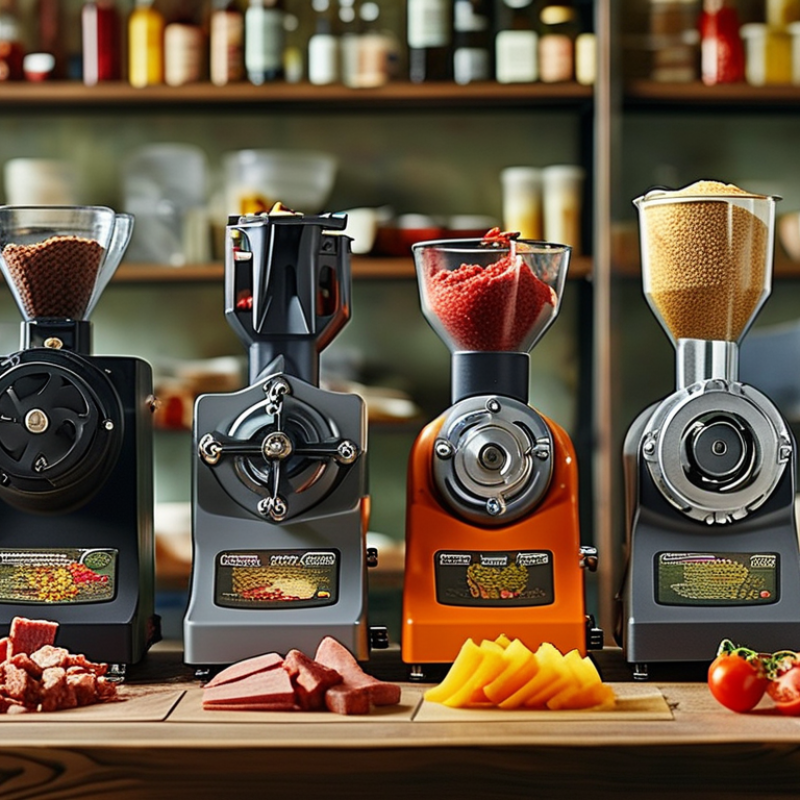
When exploring industrial food grinders, understanding the types available is crucial. The main categories include blade grinders, burr grinders, and roller grinders. Blade grinders are popular for their speed, yielding fine grinds. However, they can generate heat, affecting flavor. Burr grinders provide a more consistent particle size and are preferred in many commercial settings. They ensure a uniform grind, which is vital for processes requiring precision.
Roller grinders, often used in large-scale operations, utilize counter-rotating cylinders. They can handle a variety of materials, from grains to tougher ingredients like nuts. According to the International Journal of Food Science, the rise in demand for consistent milling processes has led to increased investments in these machines. Recent data indicates that the global industrial food grinder market is projected to grow at a CAGR of 4.5% from 2023 to 2028.
Choosing the right grinder may not seem simple. Some factors, like capacity and maintenance needs, require careful consideration. A low-cost grinder may save money initially, but it can pose issues with wear and tear. Balancing cost with reliability is essential. Experts suggest analyzing the long-term operational costs in conjunction with initial investments for better decision-making.
2026 How to Choose the Best Industrial Food Grinder? - Understanding the Types of Industrial Food Grinders Available
| Type of Grinder |
Best For |
Capacity (kg/h) |
Power (HP) |
Key Features |
| Chopping Grinder |
Meats, Vegetables |
300-1000 |
5-15 |
Versatile, Adjustable knives |
| Grain Mill |
Grains, Spices |
200-800 |
3-10 |
Precision grinding, Adjustable fineness |
| Commercial Mixer Grinder |
Batter, Dough |
150-500 |
2-8 |
Multiple functions, High efficiency |
| Pellet Mill |
Animal Feed |
100-1000 |
4-12 |
Durable construction, Continuous operation |
| Vegetable Slicer Grinder |
Fruits, Vegetables |
100-600 |
2-6 |
Quick operation, Safety features |
Key Features to Consider When Selecting a Food Grinder
When selecting an industrial food grinder, several key features deserve careful consideration.
Power and motor efficiency are crucial. A grinder with a robust motor can handle tough materials. Look for a grinder that allows for variable speed settings. This flexibility caters to different types of food, ensuring optimal grinding performance.
Durability is another significant factor. Choose materials that resist wear and tear, especially stainless steel. These materials can withstand the rigors of daily use.
The design should facilitate easy cleaning. Grinders that are easy to disassemble can save time and effort. Consider the grinder's size and capacity to ensure it meets your production needs.
Safety features should never be overlooked. Emergency shut-off switches can prevent accidents. Noise levels are also important, especially in a busy kitchen environment. A quieter machine can enhance worker comfort. Lastly, don’t just focus on immediate needs. Reflect on future requirements as your business grows. This foresight can save costs down the line.
Evaluating Grinder Performance and Efficiency Measures
Choosing the right industrial food grinder involves evaluating its performance and efficiency. A grinder's ability to maintain consistent particle size is crucial. Uneven sizes can lead to quality issues in food production. Testing several models can reveal variations in how they perform under different loads. Look for indicators of efficiency, like energy consumption versus output.
Another factor is the speed of operation, which affects productivity. Some grinders work faster but may sacrifice quality. Finding a balance between speed and quality is essential. Consider how easy it is to clean the equipment, as this impacts hygiene and maintenance costs. An efficient grinder should be designed for quick dismantling and thorough cleaning.
Finally, assess the durability of materials used in construction. Cheaper models might save money initially but could lead to higher long-term costs. Evaluate warranties and support services offered by manufacturers as they showcase reliability. Testing equipment in real-world scenarios can help understand its true performance. Making an informed decision takes time and research but is essential for operational success.
Assessing Safety Standards and Compliance in Food Grinders
When choosing the best industrial food grinder, assessing safety standards is crucial. Food grinders must meet specific regulations to ensure safe operation. Compliance with safety standards protects both operators and consumers. These standards often include mechanical safety features, such as guards and emergency shut-off systems. It's essential to understand these requirements before purchasing.
Look for certifications from recognized organizations. These certifications indicate that the equipment has been thoroughly tested. A grinder without these approvals might pose risks. While evaluating equipment, consider the ergonomics of design. Operators should feel comfortable while using the grinder to avoid injuries. This aspect often goes overlooked but is vital.
Regular maintenance and inspections are key to keeping food grinders safe. Over time, wear and tear can compromise safety features. If maintenance is neglected, grinders might operate inefficiently or unsafely. Pay close attention to user manuals and maintenance protocols. They often contain information that is crucial for safe operation. Reflecting on these aspects will lead to better decision-making when choosing an industrial food grinder.
Safety Standards Compliance in Industrial Food Grinders
Cost Considerations and Budgeting for Industrial Food Grinders
Investing in an industrial food grinder can significantly impact your operational efficiency. However, understanding the cost considerations is crucial. These machines vary widely in price, influenced by features, size, and production capacity. An entry-level model may cost around a few hundred dollars, while advanced variants can exceed several thousand. Budgeting effectively starts with identifying your production needs.
When evaluating costs, include not only the purchase price but also ongoing expenses. Maintenance, repairs, and energy consumption should factor into your budget. For instance, a high-capacity grinder may require more energy, leading to higher utility bills. Additionally, consider potential downtimes. A machine that frequently requires repairs can quickly escalate costs beyond the initial investment.
Don’t overlook the importance of reliability when considering cost. Cheaper models might seem appealing but often lead to disappointment. A reliable grinder will save you money in the long run, reducing the frequency of replacements. Reflecting on your operation’s demands and future growth can guide your purchase. Balancing cost with quality is key to finding the right industrial food grinder.