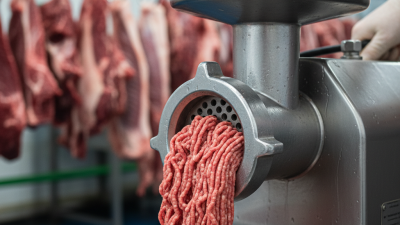
How to Choose the Best Industrial Bone Grinder for Your Needs?
Choosing the right industrial bone grinder can significantly impact your processing efficiency. With various options on the market, making an informed choice is vital. An industrial bone grinder is essential in many industries, from food production to pharmaceuticals. This equipment can help break down bones effectively for various applications.
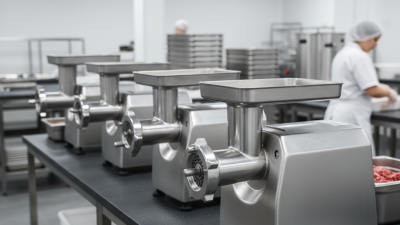
When selecting an industrial bone grinder, consider its capacity and durability. Some machines may suit small operations, while others are designed for large-scale production. Pay attention to the material and design of the grinder. These factors influence performance and longevity.
Moreover, assessing the ease of cleaning and maintenance is critical. Machines that are difficult to clean can lead to hygiene issues. Ultimately, the choice you make should not only meet your immediate needs but also anticipate future requirements. Reflecting on these aspects will guide you toward making the best decision for your specific situation.
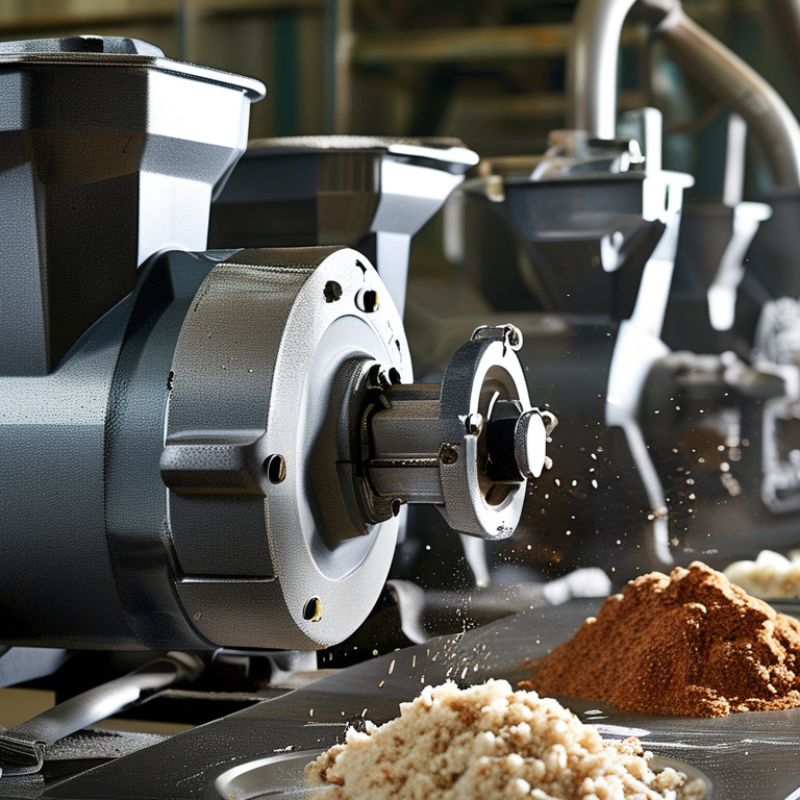
Understanding the Different Types of Industrial Bone Grinders
When selecting an industrial bone grinder, understanding the different types available is crucial. These grinders vary significantly in design, capacity, and functionality. Common types include manual grinders, electric grinders, and heavy-duty machines. Each serves specific needs, making it essential to evaluate your processing requirements first.
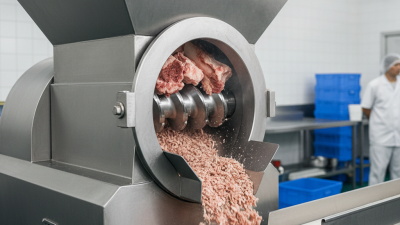
Manual grinders are often more affordable and simple to operate. They suit small-scale operations or where electricity is scarce. Electric grinders are faster and more efficient, ideal for larger operations that require consistent output. Heavy-duty machines can handle high volumes and tough bones. They offer specialized features such as adjustable settings and enhanced safety mechanisms.
Not every grinder will meet every requirement perfectly. It’s vital to assess the specific types of bones you will process, as some grinders may struggle with harder materials. Additionally, think about maintenance needs and ease of cleaning. Regular upkeep is essential for optimal performance. Balancing initial costs with long-term efficiency is necessary for making an informed choice.
Key Features to Consider When Selecting a Bone Grinder
When selecting an industrial bone grinder, several key features come into play. The size and power of the machine matter significantly. A grinder with a high horsepower motor can handle larger volumes efficiently. However, be aware that not every operation requires the biggest model. Sometimes, a smaller, more compact design is enough for specific tasks, reducing energy costs and space requirements.
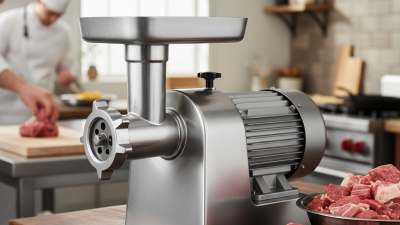
Material quality is another crucial aspect. Look for grinders made from high-grade stainless steel. This ensures durability and easy cleaning, which helps maintain hygiene standards. Pay attention to the grinder's sharpness and grinding mechanism. A properly designed blade will yield a finer texture and consistent grind. Do not underestimate the importance of a reliable feed system either. An inconsistent feed can lead to uneven grinding results, making the process inefficient.
Consider ease of maintenance and operational safety. Machines with simple disassembly features make cleaning easier. Safety should never be compromised, so check for features like automatic shut-off mechanisms. It's also worth noting the noise level of the grinder. In many facilities, excessive noise can be a disturbance. Striving for a balance between efficiency and comfort can lead to a more productive work environment.
Assessing the Grinding Capacity and Efficiency of Bone Grinders
When choosing an industrial bone grinder, assessing grinding capacity is crucial. The capacity indicates how much bone material the grinder can process in a given time. A higher capacity often means increased efficiency. However, more power can also lead to higher energy consumption. Balancing grinder output with energy needs may require careful consideration.
Efficiency is another important factor. It reflects how effectively the grinder converts energy into usable output. Inefficient models can create excess waste, diminishing overall productivity. Look for specifications that indicate energy consumption alongside output levels. Reading user reviews can provide insights into real-world performance.
Many grinders offer adjustable settings. This flexibility can enhance processing efficiency for different bone types. It’s wise to reflect on the adaptability of the equipment. Relying on one fixed setting might not yield the best results over time. Remember, investing in a versatile bone grinder can lead to better long-term outcomes.
Evaluating Safety Features and Compliance in Bone Grinding Machines
When selecting an industrial bone grinder, safety features should be a top priority. These machines often handle heavy materials, making safety critical. Look for grinders with automatic shut-off mechanisms. This feature can prevent accidents in high-pressure situations. Additionally, ensure the machine has safety guards. These help to block access to moving parts during operations.
Compliance with safety standards is another aspect to consider. Make sure the grinder meets local safety regulations. Inspect certification labels on the machine. These indicate that the product has undergone rigorous testing. User manuals are also key documents to review. They provide crucial information about safe operation procedures.
Consider potential flaws in the design as well. Some machines may not be user-friendly, leading to improper use. Evaluate whether the grinder's layout allows for easy maintenance and cleaning. An inconvenient design can pose safety risks. Regularly inspect the equipment for wear and tear. Identifying these issues early can enhance safety and operational efficiency.
How to Choose the Best Industrial Bone Grinder for Your Needs?
| Feature |
Description |
Importance Level |
| Safety Guards |
Integrated safety guards to prevent accidental injuries. |
High |
| Emergency Stops |
Quick-access emergency stop buttons for immediate shutdown. |
High |
| Noise Reduction |
Features that minimize operational noise, ensuring a safer environment. |
Medium |
| Compliance Certifications |
Certifications such as CE, ISO for industry compliance. |
High |
| Ease of Cleaning |
Design that facilitates easy cleaning and maintenance. |
Medium |
| Power Consumption |
Efficiency in energy use, with lower operational costs. |
Medium |
Budget Considerations: Cost vs. Quality in Bone Grinders
Choosing the right industrial bone grinder involves balancing cost and quality. While affordability is important, the cheapest option is not always the best. Quality grinders, while more expensive, often offer better durability and efficiency. These factors lead to lower long-term costs.
Before purchasing, assess your specific needs. Consider how much bone material you will process. A powerful machine may justify a higher price if it increases productivity. Look for features that enhance performance, such as adjustable settings or ease of maintenance. These attributes can save time and money in the long run.
Investing in a higher-quality grinder can prevent frequent repairs. However, an expensive model isn't always necessary for small businesses. It's essential to reflect on how often you'll use the equipment and the volume of production. A middle-range machine could meet your needs without overspending. Ensure that every choice aligns with your operational goals and budget constraints.
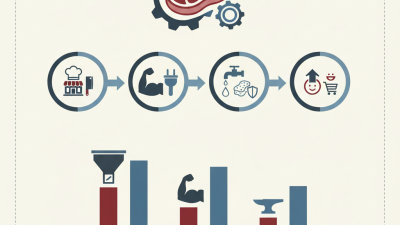
Bone Grinder Cost vs. Quality Analysis