Why Choose an Industrial Bone Grinder for Global Processing?

Bone processing needs equipment that can handle tough, variable material without making daily production harder. An industrial bone grinder reduces bones to a more manageable size for further processing, storage, or approved downstream use. In practice, performance depends on more than motor power. Bone size, moisture, feed rate, and the required output all affect grinding results. A jammed feed opening or uneven pieces can slow an otherwise capable line. Small details matter.

For facilities serving different markets, equipment selection also involves transport, installation, operator training, cleaning, and access to replacement parts. A machine that performs well in a factory trial may still need adjustment to suit local workflows. This guide looks at grinding capacity, construction, energy use, maintenance needs, and supplier support, while explaining which questions buyers should ask before choosing a model. Operators should confirm that the machine suits their actual materials and production targets, rather than relying on headline capacity alone. Ask for clear specifications and practical service guidance. Not every supplier provides equally useful answers.

A careful comparison can help processors balance throughput, reliability, and operating costs over time. It is not magic. The right choice is the machine that fits the process, can be maintained consistently, and delivers suitable results under real working conditions. Buyers should also leave room for honest review: production needs change, and early assumptions are not always right.
Why Choose an Industrial Bone Grinder for Global Processing?

What an Industrial Bone Grinder Is and How It Works

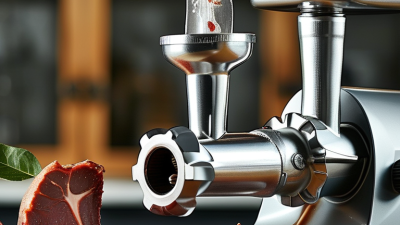
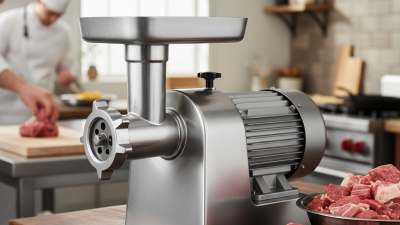
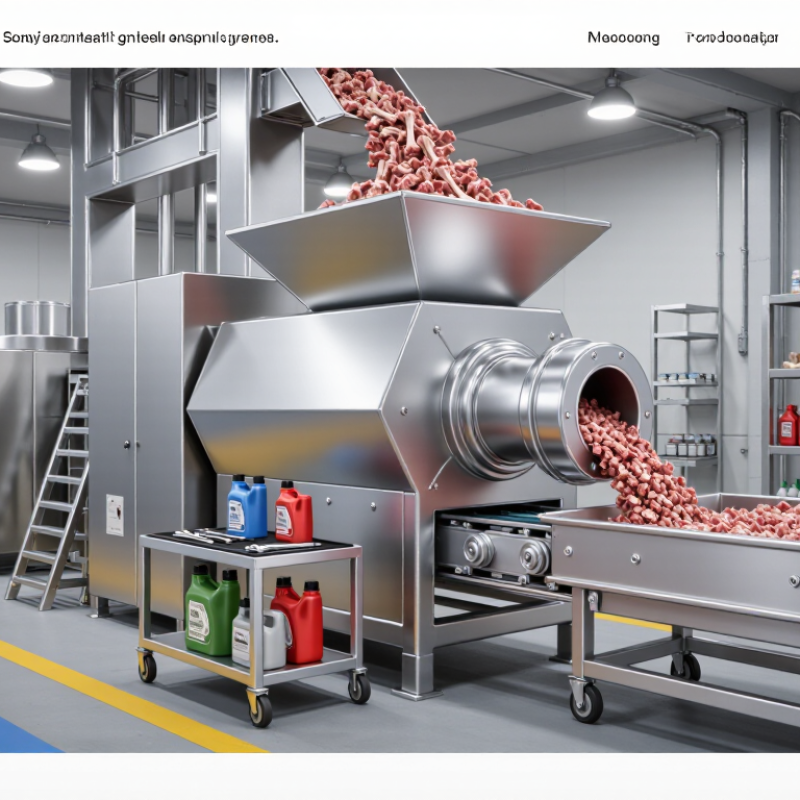
An industrial bone grinder is a heavy-duty machine that reduces animal bones into a more uniform particle size for further processing. Depending on its design, it may use rotating knives, toothed rollers, or a hammer mechanism. Bones enter through a guarded hopper, pass through the grinding chamber, and leave through a screen or discharge outlet. The screen controls particle size.

Some bones resist more than others. In practice, operators match the machine to bone dimensions, moisture, temperature, and the required output. A steady feed helps avoid jams, while inspection and cleaning limit residue buildup.

FAO’s World Food and Agriculture Statistical Yearbook 2023 reports that livestock products contribute about 40% of the global value of agricultural output. That context makes dependable by-product handling relevant to food-processing operations, though the figure does not measure bone-grinder use.

There is a trade-off: finer grinding can require more energy and wear components faster. Routine checks of blades, screens, guards, and discharge flow help catch problems early. Output consistency still needs monitoring; a grinder alone cannot guarantee it.

Global Processing Needs That Shape Bone Grinding

Why Choose an Industrial Bone Grinder for Global Processing?

Global processing needs rarely fit one production model. A facility may handle fresh bones in a humid coastal climate, then process frozen material across a dry inland route. An industrial bone grinder must manage both conditions. Stable particle size supports rendering, mineral recovery, and controlled downstream handling. It also reduces manual cutting around dense joints and uneven marrow pockets.

Capacity matters, but so does consistency. FAO’s 2023 report, Pathways Towards Lower Livestock Emissions, estimates livestock agrifood systems produce about 6.2 billion tonnes of CO2-equivalent emissions annually. Better by-product utilization can support resource efficiency, although grinding alone cannot solve emissions. That assumption needs checking. Energy use, water demand, cleaning time, and transport still shape the real footprint.

Regional rules create another practical challenge. Export-oriented processors may require documented sanitation, traceability, and defined particle dimensions. A grinder with adjustable screens, sealed transfer points, and accessible wear parts can reduce production interruptions. Operators should record throughput, motor load, blade wear, and cleaning duration. Small data gaps become expensive during audits.

The details matter. A wet bone load behaves differently from dry, brittle material. Poorly matched equipment may create heat, blockages, or inconsistent output. The OECD-FAO Agricultural Outlook 2024–2033 expects continued growth in global meat production, increasing pressure on processing efficiency. Yet larger capacity is not always better. A right-sized system, tested against local material and labor conditions, is usually the safer engineering decision.

Why Choose an Industrial Bone Grinder for Global Processing? — Global Processing Needs That Shape Bone Grinding
Processing Need Why It Matters How Industrial Bone Grinding Helps Key Operating Consideration
Different bone types and sizes Processors may handle poultry, pork, or beef bones, which vary in size, hardness, and shape. Heavy-duty cutting and grinding systems can reduce suitable bone materials to a more manageable, consistent size. Confirm the machine’s feed opening, cutting configuration, and permitted input material before processing.
Consistent particle size Downstream uses such as rendering and ingredient production may require controlled particle sizes. Appropriate grinding stages and screens can help produce a more uniform output. Particle size depends on the material, equipment configuration, and operating conditions; verify it with production trials.
Variable production volumes Processing plants differ in throughput needs, from smaller batches to continuous production. Industrial equipment is designed for repeated operation and can be selected to suit a facility’s required capacity. Assess actual feed rate, operating hours, material preparation, and downstream capacity rather than relying on rated capacity alone.
Food-safety and sanitation controls Animal by-products must be handled in line with applicable hygiene, animal-by-product, and environmental rules. Accessible surfaces and cleanable construction can support routine cleaning and inspection. Cleaning procedures, separation of process zones, and regulatory requirements vary by product and jurisdiction.
Reliable operation and maintenance Unplanned downtime can interrupt production and complicate handling of perishable raw materials. Industrial designs can provide service access to wear parts such as blades, cutting plates, and screens. Set inspection and replacement intervals based on operating conditions, wear, and manufacturer guidance.
Safe handling of heavy materials Bone feed can be bulky and heavy, creating manual-handling and machine-access hazards. Mechanical feeding and suitable guarding can reduce direct handling around moving components. Use risk assessments, interlocks, lockout procedures, and trained operators appropriate to the installation.
Energy and utility planning Grinding demand depends on bone type, moisture, feed size, target output, and equipment settings. Matching the grinder to the material and production target helps avoid unsuitable operating conditions. Compare measured energy use and throughput during representative trials; results vary by process.
Transport and installation across markets Facilities may operate with different electrical supplies, layouts, and service capabilities. A clearly specified machine package supports site planning and integration with conveyors or other process equipment. Check local electrical standards, available utilities, floor loading, access dimensions, and commissioning needs.

Key Components and Stages of the Grinding Process

Why Choose an Industrial Bone Grinder for Global Processing?

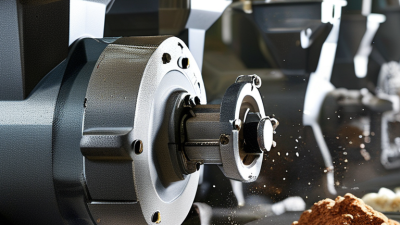
An industrial bone grinder depends on coordinated components, not motor power alone. The hopper receives inspected material and controls safe, even feeding. A variable-speed feeder helps prevent bridging and sudden overloads. Inside the grinding chamber, hardened cutting elements reduce bone against a controlled screen. Screen openings determine the final particle size. The motor, gearbox, and drive system must match expected volume, moisture, and hardness. A sealed discharge outlet then directs processed material into clean containers.

The grinding process usually starts with inspection, weighing, and removal of unsuitable material. Pre-cutting may be needed when larger pieces enter the hopper. Controlled feeding protects the rotor and reduces energy waste. During grinding, operators monitor vibration, sound, temperature, and product consistency. The screen may need adjustment when particles become too coarse or fine. After collection, the equipment requires documented cleaning and sanitation. Traceability records support quality control across different processing sites and regulatory environments.

Tips: Keep blades sharp and inspect screen wear daily. Do not force oversized pieces through the feeder. Use suitable protective equipment and follow approved operating procedures. Record unusual vibration or heat before continuing production. A practical mistake is treating cleaning as a final chore rather than a process stage. That approach can hide residue and create avoidable maintenance problems. Smaller test batches often reveal feed issues before full production begins.

Why Choose an Industrial Bone Grinder for Global Processing?

Key grinding stages and representative upper particle-size targets used in industrial bone processing.

Industrial systems progressively reduce bone size through crushing, intermediate grinding, fine grinding, and final screening. The reference targets shown are commonly used engineering size points; the final specification depends on feedstock, moisture, equipment design, and the intended use of the processed material.

Applications and Benefits Across Bone Processing Industries

Why Choose an Industrial Bone Grinder for Global Processing?

Industrial bone grinders support diverse bone processing industries, from rendering facilities to pet food, fertilizer, gelatin, and collagen production. They reduce large bone pieces into controlled particle sizes for easier handling and downstream processing. In daily operations, this can improve conveyor flow and reduce storage space.

A reliable grinder handles fresh, frozen, or partially dried material with suitable configuration. High-torque systems manage dense bones more consistently than basic cutting equipment. Uniform output also helps plants maintain steadier heating, separation, and blending conditions. However, grinding performance depends on moisture, bone density, feed rate, and blade condition. One setting rarely fits every facility.

Operators should inspect wear parts regularly and record particle-size results. These simple checks support safer decisions and more predictable production. Cleaning access matters, especially where residue can collect around shafts or screens. Some plants focus heavily on capacity and overlook maintenance time. That can become an expensive mistake.

Tips: Match the grinder to bone type, daily volume, and target particle size. Test a small batch before changing production settings. Keep spare wear parts available. Train operators to stop the machine when vibration, noise, or feed resistance changes. Local electrical standards, sanitation rules, and worker-protection requirements should guide installation. Performance data from real shifts is more useful than a catalogue estimate.

How to Select, Operate, and Maintain a Bone Grinder

Choosing an industrial bone grinder starts with the material, not the advertised capacity. Fresh, frozen, and dried bones behave differently, so test a representative batch before purchase. Note the bone dimensions, moisture, target particle size, and kilograms processed per hour. A small trial can reveal more than a polished specification sheet.

Check that the grinder’s chamber, blades, and motor suit your feed rate. Stainless steel contact surfaces, guarded inlets, and accessible cleaning points matter in daily production. Fit matters. Confirm electrical supply, spare-part availability, and operator training for each processing site. A machine that performs well in one facility may need different settings elsewhere.

During operation, feed bones steadily and watch motor load, noise, and product temperature. Forcing oversized pieces can strain blades and bearings. The fastest setting is not always the best; I would compare output quality with wear over several shifts. Keep records. Before cleaning or inspection, isolate power and follow the machine’s safety instructions. Inspect blades, seals, and bearings on a set schedule, and document unusual vibration or heat. Cleaning procedures should match the material and the facility’s applicable hygiene requirements. A missed inspection is easy to dismiss—until the grinder stops mid-shift.