How to Choose the Right Industrial Meat and Bone Grinder?
Choosing the right industrial meat and bone grinder can be a challenging task. Expert James Thompson, a renowned specialist in food processing equipment, emphasizes, “Selecting the proper grinder can significantly impact production efficiency.” This statement highlights the importance of making an informed choice for processing needs.
When considering an industrial meat and bone grinder, users must understand their specific requirements. Factors such as capacity, grind size, and motor power play crucial roles. These details are often overlooked but can affect both productivity and product quality. The right grinder must be reliable and durable, capable of handling the demands of a busy operation.
Experts recommend evaluating brands and models to find the best fit. Personal experiences vary, leading to different opinions on performance. Some grinders may excel in one area but falter in another, prompting users to reflect on their priorities. Ensuring that you choose a trusted industrial meat and bone grinder requires careful research and consideration of both testimonials and technical specifications.
Understanding the Functionality of Industrial Meat and Bone Grinders
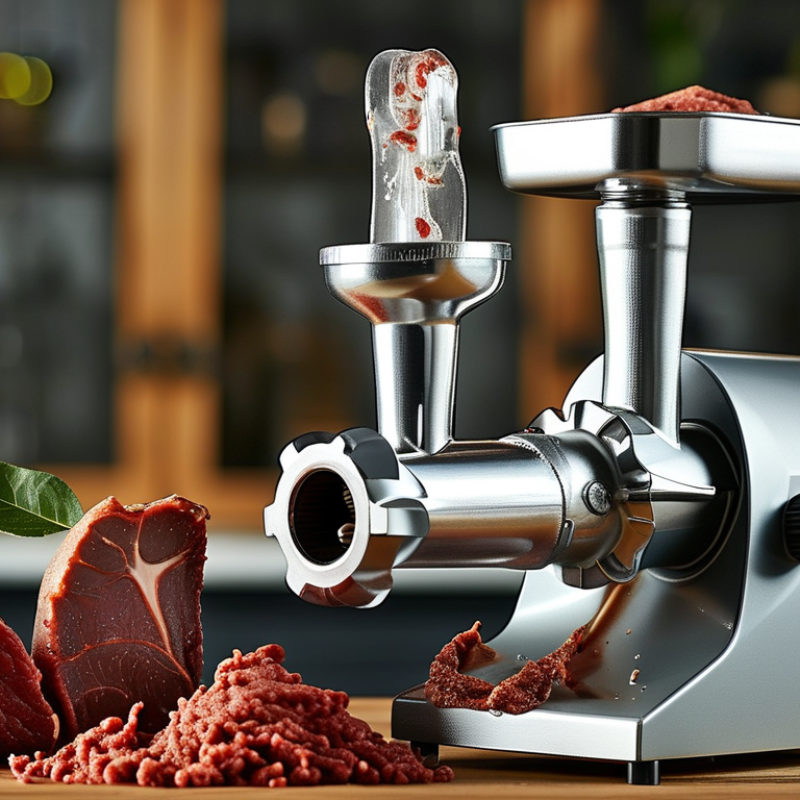
When selecting an industrial meat and bone grinder, understanding its functionality is crucial. These grinders are designed to process both meat and bones efficiently. The power of the motor is a significant factor. A robust motor ensures that tougher materials can be ground without overheating. Many grinders have variable speeds for versatility in texture, which is essential for different recipes.
Pay attention to the grinding plates. They come in various sizes, allowing the user to choose the fineness of the product. Some users might prefer coarser results for certain dishes. Additionally, consider the ease of cleaning. Some designs have removable parts, making sanitation simpler, which is vital in any food processing environment.
The durability of materials used in construction matters, too. Stainless steel is common, as it resists rust and corrosion. However, not all stainless steel is equal in quality. A cheap option might lead to wear and tear sooner than expected. Also, the size and capacity of the grinder should fit your needs. Overestimating your requirements can lead to wasted energy and resources, while underestimating can hinder production efficiency. Reflecting on these aspects will guide you in making an informed decision.
Identifying Your Specific Grinding Needs and Requirements
When selecting an industrial meat and bone grinder, it’s vital to assess your specific grinding needs. Factors such as volume, type of meat, and desired grind size play crucial roles. Are you processing large batches or only small quantities? This can greatly influence the type of grinder you need. A high-capacity grinder may not suit a small kitchen operation. Conversely, a smaller, less powerful unit may struggle with larger tasks.
Consider the material of the grinder as well. Stainless steel is common for hygiene and durability. However, it may be heavier and costlier than aluminum. Reflect on your environment and the level of use. High moisture content in meat could lead to rust, affecting long-term reliability. It’s important to examine these details carefully.
Safety features are another aspect to think about. Some grinders may lack adequate safety measures, leading to potential hazards in your workspace. Always visit user reviews and industry forums. Feedback from others can illuminate features that may not be immediately obvious. Since your needs could evolve, consider a versatile grinder that can adapt over time. Balancing these elements ensures you make a well-informed choice tailored to your specific requirements.
Choosing the Right Industrial Meat and Bone Grinder: Capacity vs. Size
Evaluating the Key Features and Specifications of Grinders
Choosing the right industrial meat and bone grinder involves understanding key features and specifications. Start by assessing the grinder's capacity. A larger capacity allows for higher throughput, essential for busy operations. Look for machines that handle various types of meat and bones effectively. Efficiency is crucial to minimize downtime during processing.
Power is another significant factor. The motor strength affects performance. A robust motor ensures consistent grinding without overheating. However, excessive power can lead to wear and tear. Consider balancing power with durability.
Tips: Always check for safety features. A grinder should have proper guards to protect users. Look for easy-clean options to maintain hygiene. If maintenance seems complicated, it may lead to operational inefficiencies. Reflect on your needs and long-term use before making a decision.
Comparing Brands and Models for Quality and Reliability
When selecting a reliable industrial meat and bone grinder, it’s crucial to compare various brands and models for quality. Recent data indicates that grinders with stainless steel construction provide superior durability and resistance to corrosion, essential for food safety. Moreover, machines operating at higher RPMs tend to process materials more efficiently, according to industry reports.
Brand reputation plays a significant role too. Surveys suggest that companies with positive customer feedback consistently deliver high-quality products. However, not all well-known brands guarantee reliability. It’s vital to read reviews and seek information from credible sources before making a purchase. Keep in mind that some models may have recurring issues, such as overheating or blockage. These problems can disrupt your operations.
Tip: Always check the warranty terms. A longer warranty often reflects the manufacturer's confidence in the product’s durability. Another key point is maintenance; regular cleaning can extend the lifespan of your grinder. Knowing common issues can aid in decision-making and help ensure you choose the right equipment for your needs.
How to Choose the Right Industrial Meat and Bone Grinder?
| Model |
Power (HP) |
Processing Capacity (lbs/h) |
Weight (lbs) |
Features |
| Model A |
5 |
1500 |
250 |
Stainless Steel, Easy Clean |
| Model B |
7.5 |
2000 |
300 |
Variable Speed Control, Safety Lock |
| Model C |
5 |
1200 |
220 |
Compact Design, Low Noise |
| Model D |
10 |
2500 |
350 |
High Efficiency, Easy Maintenance |
Considering Maintenance and After-Sales Support Options
Choosing the right industrial meat and bone grinder involves careful consideration of maintenance and after-sales support options.
Maintenance is crucial for ensuring longevity and efficiency. Regular maintenance can improve performance and prevent unexpected downtime. According to industry reports, nearly 30% of machinery failures are due to insufficient upkeep. This statistic highlights the importance of selecting a grinder that offers easy maintenance features. Machines with accessible parts are often easier to service.
After-sales support is equally important. A lack of proper support can lead to frustration and lost revenue. Data from various market studies indicate that companies that provide robust after-sales service see a 50% increase in customer satisfaction. When assessing options, inquire about the availability of parts and technician support. Some companies may promise extensive warranties but lack practical support. Look for brands that offer training, accessible technical assistance, and readily available spare parts.
In the fast-paced food industry, every hour of downtime can be costly. Reflections on experiences in the industry show that businesses benefit from grinding equipment that comes with solid after-sales support. If a grinder breaks down, a quick response from support staff can save both time and money. Investing in a quality grinder with reliable maintenance and after-sales support can pay off in the long run.