How to Choose the Best Incline Conveyors?
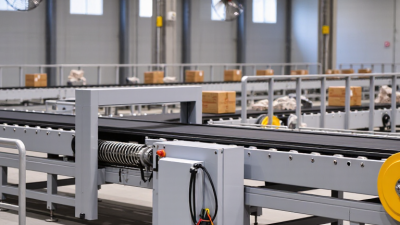
Choosing the best incline conveyors begins with the product, not the catalogue. A sealed snack pouch, a warm bakery tray, and a rigid carton behave very differently on an incline. Their weight, surface friction, dimensions, and center of gravity affect every design decision. A conveyor that handles cartons smoothly may still allow small packages to slide backward.
Market evidence supports careful selection. Grand View Research identifies automation, e-commerce fulfillment, and warehouse modernization as major drivers of conveyor-system demand. MHI’s 2024 Annual Industry Report also highlights labor shortages and technology investment as continuing supply-chain priorities. These reports do not prove that every facility needs advanced equipment. They do show why dependable material movement deserves closer evaluation.
“Conveyors are only effective when they are designed around the product and the process,” says material-handling specialist Mike Hosch. That principle sounds obvious. It is often missed.
When comparing incline conveyors, examine belt cleats, incline angle, loading height, discharge height, and available floor space. Ask whether workers can clean the belt safely. Check whether the motor can maintain speed under peak loads. Review noise, guarding, maintenance access, and spare-parts availability. These details may matter more than a low purchase price.
A practical test uses the real product. Run full cartons, partly filled cartons, and uneven loads. Watch the transfer point closely. Small failures there can create large delays.
There is no universal “best” incline conveyor. The right choice balances throughput, product protection, sanitation, energy use, and future expansion. Some recommendations will remain uncertain until on-site testing exposes the weak point. That is not a design failure. It is useful evidence.
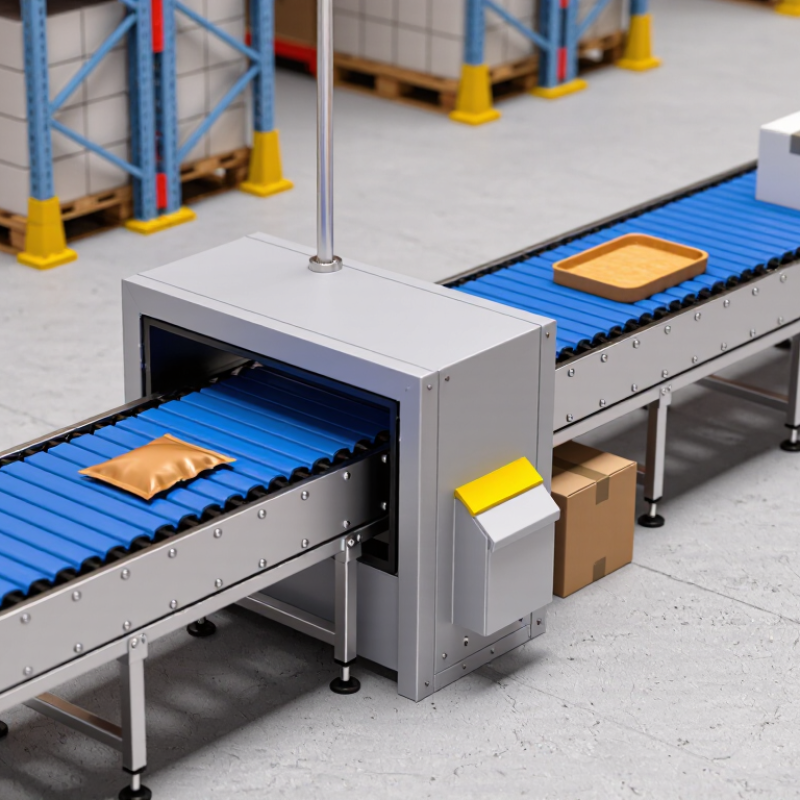
Define the Material Flow and Elevation Requirements
How to Choose the Best Incline Conveyors?
Define the Material Flow and Elevation Requirements
Start by measuring how much material must move each hour. Record peak flow, not only the average. A conveyor sized for normal production may struggle during busy periods. Note the material’s shape, weight, moisture, and surface texture. These details affect belt grip and product stability.
Measure the vertical rise from the loading point to the discharge point. Then check the available floor length. A short conveyor usually needs a steeper incline, but steep angles can cause sliding or tipping. Test the material at different angles when possible. Real products often behave differently than sample specifications suggest. That is easy to miss.
I have seen lightweight packages shift near the discharge area. A small change in speed helped, but better spacing helped more. Cleats, side guides, or a textured belt may improve control. However, these features can reduce usable capacity and make cleaning harder. Calculate the required speed from the target flow and product spacing. Include room for surges, manual loading differences, and brief stoppages. A simple worksheet helps, though it will not replace an on-site check.
Confirm that the infeed and discharge heights match nearby equipment. Misalignment can create gaps, product damage, or unsafe manual handling. Leave access for inspection and cleaning. Recheck the layout with an empty conveyor and a full load. Both conditions matter.
Compare Incline Conveyor Types and Configurations
Choosing an incline conveyor starts with the product, not the machine frame. In plant evaluations, I check weight, surface, moisture, and discharge height. A cleated belt suits boxed goods and loose parts needing controlled spacing. A smooth belt handles stable packages, but steep angles may cause sliding. For powders or small granules, a bucket conveyor can reduce rollback. It may, however, complicate cleaning and inspection.
Compare the route before comparing specifications. A straight incline needs less floor space than a Z or L configuration. Yet a Z layout can connect two elevations without another transfer point. Sidewalls help contain flour, pellets, and irregular pieces. Cleat height should match the load, not the steepest possible angle. Too little height causes spillback. Too much height can trap fragile products. Adjustable speed helps when upstream equipment feeds unevenly. An infeed sensor can reduce empty running and product collisions.
I also examine belt tension, frame access, washdown needs, and emergency stopping points. These details often determine reliability after months of dust and vibration. One common mistake is choosing capacity from an ideal test sample. Real products arrive mixed, warm, damaged, or poorly centered. Leave practical margin, but do not oversize blindly. A wider conveyor may consume more power and slow cleaning. Trial runs with the actual product reveal problems that drawings miss. Record the angle, speed, load rate, and discharge behavior during testing.
Evaluate Belt Design, Capacity, and Operating Conditions
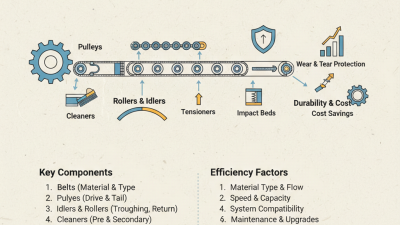
Choosing the best incline conveyor starts with the belt design, not the motor size. A textured belt can grip cartons, bags, or irregular parts on steep sections. Cleats add control, but they may increase cleaning time and product contact. Check the belt width against the largest load, then leave practical clearance on both sides. Small gaps can cause repeated jams.
Capacity should be measured under real operating conditions. Estimate the hourly load, product spacing, conveyor speed, and incline angle together. A system carrying 800 kilograms per hour may need more capacity if items arrive in uneven batches. Include the heaviest product, not only the average one. Keep a safety margin, but avoid excessive sizing. Oversized equipment can waste energy and floor space.
The surrounding environment also changes the selection. Dust, moisture, heat, and frequent washdowns affect belt materials, bearings, and frame construction. A food-handling area may require smooth surfaces and easy access for sanitation. A warehouse may prioritize quiet operation and simple maintenance. Inspect the transfer points carefully; many failures begin there. Our first capacity estimate is often too optimistic. Recheck it using actual shift data, because paper calculations rarely show every interruption. Operators should also reach emergency stops without crossing moving equipment. Test the conveyor with real products before final approval. Tiny changes matter.
Check Safety Features, Maintenance Needs, and Installation Space
Choosing an incline conveyor starts with the safety features around moving parts.
A practical walkthrough should identify every pinch point near the belt, rollers, and discharge zone. OSHA’s machine-guarding requirements emphasize preventing contact with hazardous motion. Look for fixed guards, emergency pull cords, accessible stop buttons, and belt-misalignment switches. A backstop is also valuable when a loaded belt could roll backward. Test each device under realistic conditions, not only during commissioning. That shortcut can hide failures.
Installation space deserves equal attention.
Measure the conveyor footprint, ceiling clearance, loading height, discharge height, and service access. Leave room to remove a belt or motor without dismantling nearby equipment. Cleats may reduce product rollback, but they can increase cleaning effort and injury exposure. CEMA guidance recommends evaluating capacity, belt speed, guarding, and access as one system. A narrow layout may fit today, yet obstruct maintenance tomorrow.
Maintenance planning should include belt tracking checks, roller inspections, tension adjustment, lubrication points, and cleaning intervals.
The U.S. Department of Energy’s Operations & Maintenance Best Practices guide reports 12–18% savings from preventive maintenance compared with reactive maintenance. It also links predictive maintenance with fewer unexpected failures. Record vibration, noise, slippage, and motor temperature. I would recheck those assumptions after the first production month. Real dust, moisture, and uneven loading often challenge the original design.