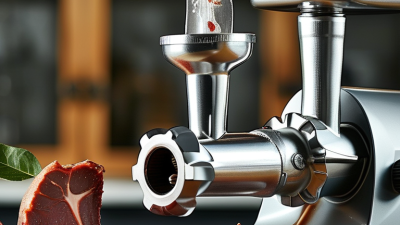
How to Choose the Best Commercial Meat Grinder Machine?
Choosing the right meat grinder machine commercial can significantly impact your business. According to industry reports, the global meat processing equipment market is expected to grow at a CAGR of 3.9%, reaching $16 billion by 2027. This growth highlights the increasing demand for efficient meat processing solutions.
When selecting a commercial meat grinder machine, consider your specific needs. Factors like production capacity, ease of cleaning, and durability are essential. High-quality machines yield consistent results, ensuring customer satisfaction. However, not all machines are created equal. Some may struggle under heavy use, leading to costly downtime. This is a critical aspect to reflect on during your selection process.
Additionally, user reviews and testimonials are valuable resources. They provide insights into real-world performance and reliability. Balancing features with your budget can be challenging. Investing in a top-tier meat grinder machine commercial may require a larger upfront cost, but it can lead to long-term savings and improved output. Careful consideration is key to making a well-informed decision.
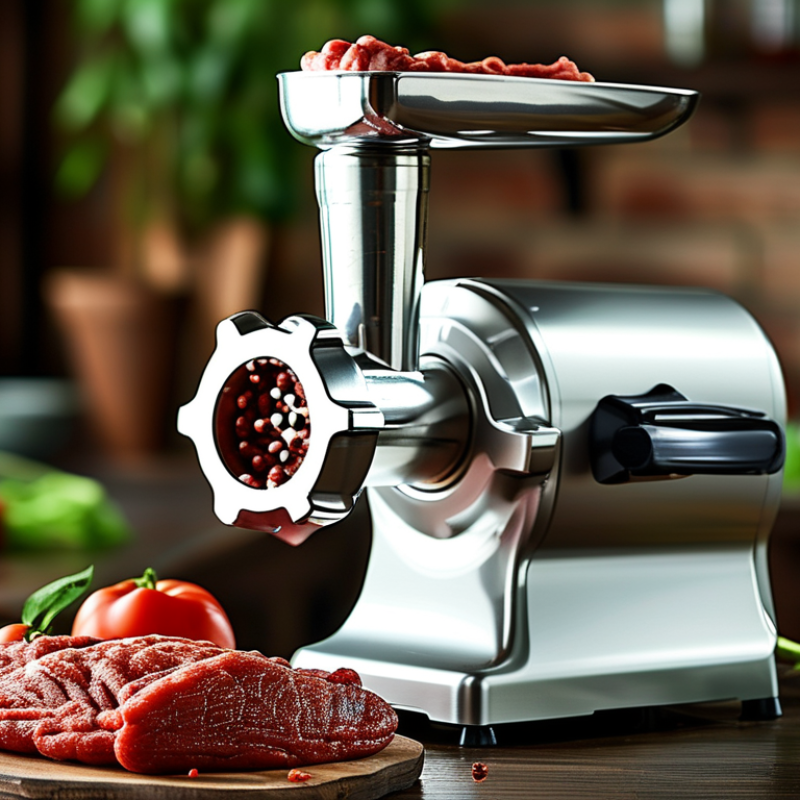
Types of Commercial Meat Grinders and Their Features
When selecting a commercial meat grinder, understanding the various types is crucial. There are several categories, including vertical grinders, horizontal grinders, and meat blades. Each type serves different purposes and has unique features.
Vertical grinders are generally compact and perfect for limited spaces. They offer high-speed efficiency and are well-suited for restaurants with moderate meat processing needs.
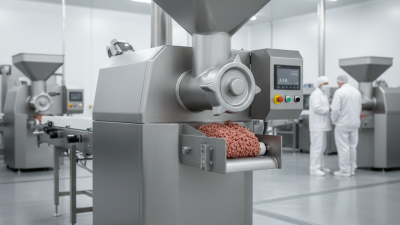
Horizontal grinders, on the other hand, are more versatile and can handle larger volumes. They usually have enhanced grinding capabilities and are ideal for large-scale meat processing operations. According to industry reports, horizontal grinders can process up to 1,500 pounds of meat per hour, making them formidable for busy kitchens.
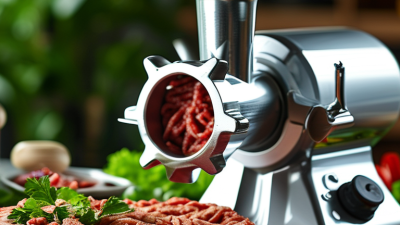
Additionally, the design of the meat blades can significantly impact performance and maintain meat integrity during grinding.
Safety and hygiene are paramount in meat processing. Many grinders now come with features like built-in safety guards and easy-to-clean surfaces. However, not all grinders are created equal. Some may lack the durability required in high-demand environments.
It's essential to weigh the advantages and disadvantages of each type to make a well-informed choice. Consider your business's specific needs, as choosing the wrong equipment can lead to inefficiencies and increased operational costs.
Key Specifications to Consider When Selecting a Meat Grinder
When selecting a commercial meat grinder, key specifications play a crucial role. Begin with the motor power. A robust motor at least 1 HP ensures efficient grinding for heavy workloads. According to industry reports, grinders with higher horsepower can handle tougher meats and produce a more consistent grind.
Next, consider the grinding capabilities. Look for models offering multiple grinding plates. These allow you to customize the texture, from coarse to fine. Having options is vital for fulfilling diverse customer demands. It's common for commercial grinders to include at least three sizes of plates. This versatility is crucial in a busy kitchen.
Additionally, pay attention to the construction materials. Stainless steel is the standard for durability and sanitation. Grinders made from quality materials are easier to clean and maintain. However, some units may have plastic parts that may wear over time. Finally, assess the overall weight and portability. Some machines may be heavy, hindering easy movement in tight commercial spaces. High-quality options often balance durability with manageable weight.
Assessing the Grinding Capacity for Your Business Needs
When selecting a commercial meat grinder, evaluating its grinding capacity is crucial. Different businesses have unique needs based on volume and texture requirements. A smaller establishment may only need a grinder that processes a few hundred pounds weekly, while a large restaurant might require equipment that handles thousands. This disparity can significantly influence your choice.
Consider the desired grind consistency. Some businesses need fine ground meat for sausages, while others prefer coarser textures. Ensure the grinder can cater to these varied requirements. It's beneficial to analyze your production needs regularly. This assessment helps avoid overspending on oversized equipment or underperforming with machines that can't keep up.
When measuring capacity, think about the power source. Electric models offer higher efficiency and speed but can have higher upfront costs. Manual options are cheaper but may slow down operations during peak times. Make sure to weigh the pros and cons based on your typical workload and budget constraints. A machine that meets current demands but allows for future scalability can save you from frequent replacements.
Understanding the Importance of Durability and Build Quality
When choosing a commercial meat grinder machine, durability and build quality are crucial factors. According to a study by the National Institute of Standards and Technology, about 30% of industrial equipment failures occur due to poor construction. A sturdy frame and high-quality materials can significantly extend the lifespan of your equipment.
Commercial meat grinders are expected to handle heavy workloads. Machines constructed with stainless steel components tend to resist corrosion and wear. This is essential in a busy kitchen where hygiene and efficiency are priorities. An analysis from the Food Equipment Manufacturers Association highlights that equipment longevity can improve productivity by up to 25%. Cheaper materials often lead to frequent breakdowns, which can disrupt operations.
It's also important to consider the design and components. For instance, grinding plates and blades made from hardened steel offer better performance. However, some users overlook maintenance requirements, which can lead to performance issues over time. Regular checks and part replacements can make a significant difference. Investing in a high-quality grinder might seem expensive initially, but its long-term efficiency is often worth it.
Comparing Price Points and Brands for Optimal Value
When selecting a commercial meat grinder, price points and brands play a crucial role. Understanding your budget is vital. High prices often indicate quality, but not always. Some mid-range models deliver excellent performance at a reasonable cost. Research different options carefully to avoid overspending.
Brands can also vary significantly in reliability and support. A lesser-known brand might offer great specifications but lack in after-sales service. Thus, investing time in reading reviews is essential. Look for feedback on durability and customer service. Engaging with other users can reveal insights that are often overlooked.
Consider the specific needs of your business. If you grind meat daily, a more robust machine is necessary. If your operations are infrequent, a less expensive model may suffice. Reflect on how often you will use the grinder. This decision is more complex than it seems. Balancing cost and quality can be tricky, yet is crucial for optimal value.
How to Choose the Best Commercial Meat Grinder Machine? - Comparing Price Points and Brands for Optimal Value
| Model |
Power (HP) |
Grinding Capacity (lbs/hr) |
Price ($) |
Warranty (Years) |
| Model A |
1.5 |
300 |
450 |
2 |
| Model B |
2 |
600 |
700 |
3 |
| Model C |
2.5 |
800 |
950 |
4 |
| Model D |
3 |
1000 |
1200 |
5 |