Best Commercial Meat Grinder Machines for Your Business Needs?
When choosing the right meat grinder machine commercial for your business, several factors come into play. A high-quality meat grinder is crucial for efficiency and product quality. It ensures that your meat is ground evenly and consistently, which is vital in maintaining flavor and texture.
Different businesses have unique needs. Some may require heavy-duty grinders for large volumes, while others need compact options for smaller operations. Understanding these requirements can be challenging. It’s essential to evaluate the specifications thoroughly to avoid mismatches. Look for features like motor power, grinding plates, and ease of cleaning.
Choosing the right meat grinder machine commercial is not just about functionality. It's also about meeting your business’s long-term needs. Investing in quality equipment can save costs down the road. Reflecting on the grinding capacity, safety features, and warranty options will help ensure a sound investment.
Best Types of Commercial Meat Grinders: Electric vs. Manual Options
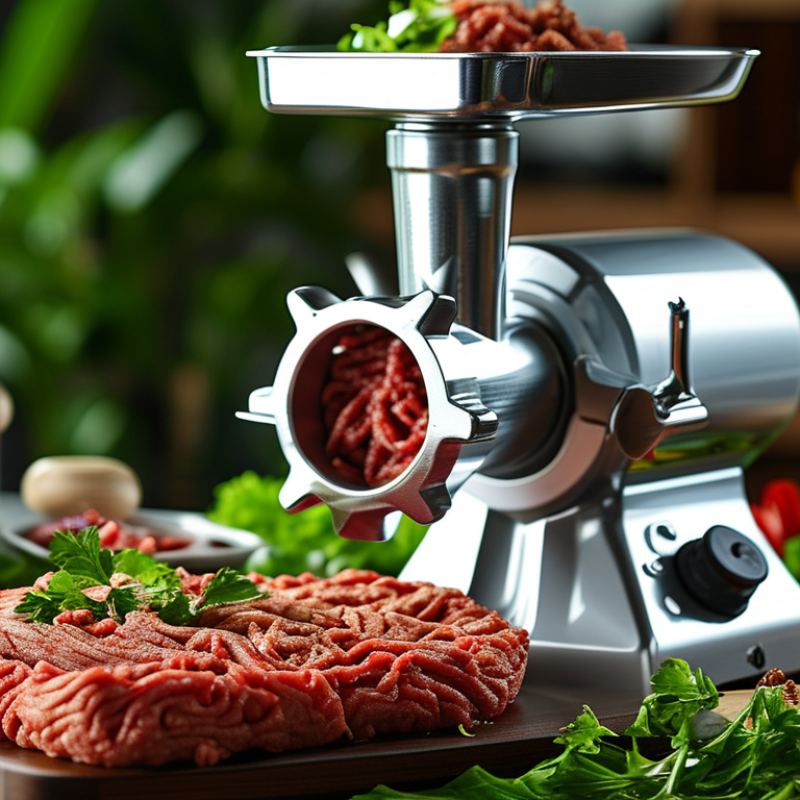
When it comes to choosing a commercial meat grinder for your business, the choice between electric and manual options is vital. According to industry reports, electric grinders can process meat at a speed five times faster than manual grinders. This efficiency makes them ideal for busy establishments that require high output within tight timeframes. Electric models typically have powerful motors ranging from 1 HP to 5 HP, allowing them to handle various types of meat, including tough cuts.
On the other hand, manual grinders often appeal to businesses focusing on traditional methods and quality. They are generally more compact and easier to store. While they lack the speed of electric options, they offer greater control over the grinding process. A study by Food Industry Association shows that 68% of small-scale butcher shops prefer manual grinders for their reliability and lower upfront cost. However, the physical exertion required can lead to operator fatigue, particularly during peak hours.
Understanding the specific needs of your business will help in making the right decision. Assess your production volume, types of meat processed, and the skills of your staff. This consideration will guide you toward a choice that complements your operational style while ensuring consistent quality.
Key Features to Consider When Selecting a Meat Grinder for Business Use
When selecting a commercial meat grinder, it’s important to consider several key features. First, evaluate the power and motor size. A powerful motor ensures efficient grinding. Look for grinders with at least a 1.5 HP motor for large volumes. The grinding capacity should match your business needs. Some models can grind dozens of pounds per hour.
Another critical feature is the material quality. Stainless steel is ideal for durability and hygiene. Choose machines with easy-to-clean designs; this saves time and keeps operations safe. Pay attention to the size of the feed tube as well. A wider tube allows for larger chunks of meat, reducing prep time.
Maintenance is a factor often overlooked. Regular cleaning is essential for longevity. It also impacts the taste and quality of the meat. Consider models with accessible parts for easy disassembly. Look for a warranty and customer support options; these can save you trouble in the future.
Proper training is vital for staff. Ensure everyone knows how to operate the grinder safely. Regular checks on performance will help spot any wear and tear. Engaging with employees also fosters a culture of care and efficiency in the kitchen.
Top Brands in the Meat Grinder Industry: A Comparison of Reputation and Quality
In the meat grinder industry, reputation and quality play crucial roles in selecting the right machine for your business. Leading brands often emphasize durability, efficiency, and user-friendly design. Understanding the strengths and weaknesses of top manufacturers can help make informed choices. Researching customer reviews is invaluable. It reveals real-world experiences that better inform your selection process.
When comparing brands, consider factors such as warranty length and customer support services. A good warranty indicates a brand’s confidence in their product. Comprehensive support can ease any concerns during the installation and maintenance phases. Recognizing these elements can lead to better purchasing decisions.
Choosing the right meat grinder isn't just about specifications. Sometimes, the most trusted brands may falter in certain areas. It’s crucial to reflect on your specific needs and how each machine meets those requirements. Evolving your knowledge through industry insights can help anticipate future demands. Make your choice not just on current popularity, but on long-term reliability and adaptability.
Understanding Meat Grinder Capacity: How It Affects Your Business Efficiency
When choosing a meat grinder, capacity plays a crucial role. It determines how efficiently your business can operate. Small operations may need only a grinder with a capacity of 3 to 5 pounds per minute. Larger facilities often require machines capable of handling 20 pounds per minute or more. According to industry reports, businesses processing over 300 pounds of meat daily benefit most from higher-capacity grinders. This helps streamline production and maintain a steady supply for customers.
Understanding capacity is essential for maintaining efficiency. High-capacity grinders reduce labor costs by minimizing the time employees spend grinding meat. They also decrease equipment wear and tear, leading to lower maintenance costs. However, it's vital to ensure that staff is trained to use high-capacity machines safely and effectively. Some facilities may struggle with this transition, as inadequate training can lead to inefficiencies and safety risks.
Inadequate planning around grinder capacity can cause problems. A business may find itself with a grinder too small for its needs, leading to bottlenecks. For example, a restaurant aiming for expanded service hours could lose revenue if its grinding capacity does not keep up with demand. Conversely, investing in a high-capacity machine that never reaches full utilization can strain finances. Balancing needs and capability is key for long-term sustainability in meat processing operations.
Maintenance Tips for Commercial Meat Grinders to Maximize Longevity
Commercial meat grinders are essential for businesses that handle large quantities of meat. Proper maintenance is crucial to ensure these machines operate efficiently and have a long lifespan. Regular cleaning, sharpening blades, and proper storage can greatly enhance their longevity.
One way to maintain your grinder is through routine cleaning. After each use, disassemble the parts and wash them thoroughly. This prevents bacteria buildup and avoids meat residue clogging. Ensure all components are completely dry before reassembling. A damp environment can lead to rust, damaging the machinery over time.
Sharpening the blades should not be overlooked. Dull blades can strain the motor and increase wear on the machine. Regularly check for sharpness and sharpen as needed. If grinding becomes difficult, it might be time for a thorough inspection. Listen to your machine—it may signal when it needs attention.
Proper storage also plays a role in longevity. Store the grinder in a dry, cool place, away from moisture and extreme temperatures. Cover it to prevent dust accumulation. Be mindful of how you handle the machine during use. Rough treatment can lead to misalignments and damages that accumulate, costing more in repairs later.