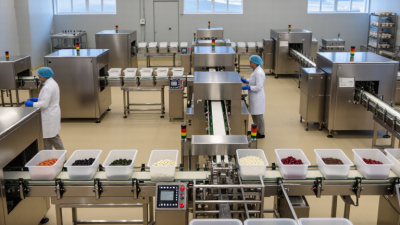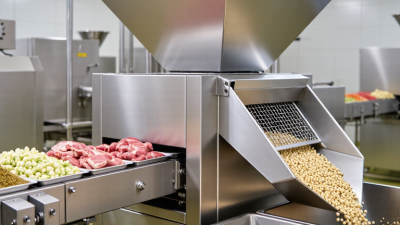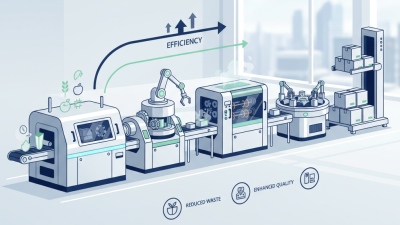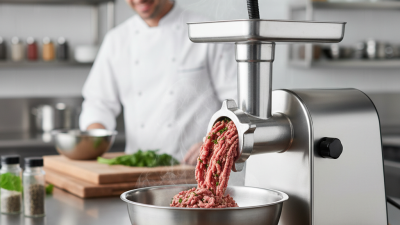
Buying food manufacturing equipment in China can offer access to broad product ranges, specialized factories, and competitive pricing. The challenge is finding machinery that fits your process, not just your budget. A filling line may look impressive in a showroom, yet struggle with your product’s texture or container size. Details matter.
Quality-management expert W. Edwards Deming offered a useful principle: “In God we trust; all others must bring data.” Apply it to supplier claims. Request material specifications, capacity figures, test records, and references from comparable installations. Ask how the machine handles cleaning, changeovers, and routine maintenance. Clear answers are more valuable than polished sales language.
This guide explains where to look, how to compare Chinese manufacturers, and what to check before placing an order. Consider factory visits, independent inspections, sample runs, spare-parts availability, and after-sales support. Confirm that the proposed equipment suits your ingredients, output targets, and site conditions. Small details can cause costly delays.
There is no perfect checklist. A supplier may communicate well but offer limited service in your region. Another may have strong references but a longer production schedule. I would not treat a catalogue or video call as proof of performance. Ask careful questions, verify the evidence, and leave room for surprises. A cautious buyer is not a difficult buyer.
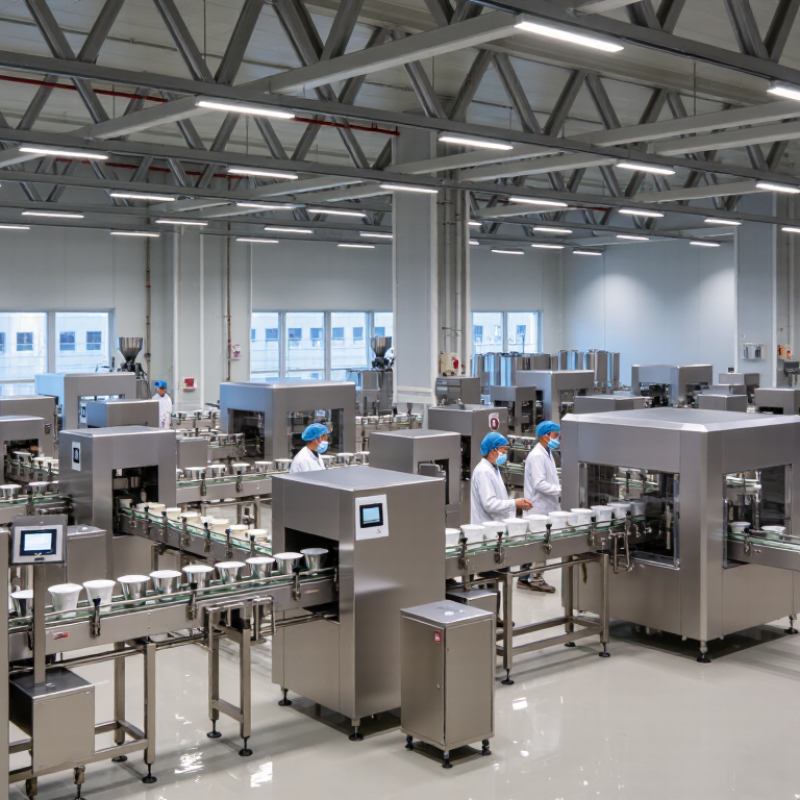
Where to Buy Food Manufacturing Equipment in China?
Define Your Food Manufacturing Equipment Requirements
Before contacting equipment suppliers in China, describe the product and the job each machine must perform. Specify ingredients, batch size, target output per hour, and acceptable product variation. A sauce line may need gentle mixing, controlled heating, and accurate filling. A bakery line has different needs, including dough handling and oven capacity. Be specific.
Map the whole process, not just the main machine. Include washing, preparation, processing, cooling, filling, packing, and cleaning. Check available floor space, doorway widths, drainage, electrical supply, water pressure, and steam or compressed-air requirements. Measure twice. A compact machine can still create awkward access for operators or maintenance.
Set measurable requirements before comparing quotations. Ask for product-contact material specifications, operating ranges, changeover steps, cleaning instructions, spare-parts lists, and installation support. Request drawings and confirm the quoted capacity against your actual product, not an ideal test material. Discuss acceptance testing and documentation in writing. I still find cleaning time easy to underestimate; a fast production rate means little if changeovers regularly delay the next batch. Leave room for uncertainty, too. Early estimates may change after trials, and that is worth planning for.
Where to Buy Food Manufacturing Equipment in China?
Explore China’s Main Equipment Supplier Channels
China’s supplier channels include direct manufacturers, regional equipment clusters, trading companies, exhibitions, and online B2B platforms. Direct factories can explain machine design and production details. Ask whether they make key components in-house or source them elsewhere. A factory visit may show how stainless-steel surfaces are finished and how wiring is arranged. Details matter.
Trading companies can combine equipment from several suppliers, which may simplify a complete production line. However, confirm who handles installation, spare parts, and technical support after delivery. Trade fairs and online listings help you compare options, but treat listings as a starting point, not proof of quality. A polished catalog can still leave important gaps.
Tips: Send suppliers the same product details, target capacity, and available floor space. Request layout drawings, material specifications, and a test-run video using a similar product. Compare quotations line by line, including shipping, commissioning, and training. If possible, inspect the workshop and speak with a recent customer. No channel is perfect; even a careful shortlist can miss a service issue.
| Supplier channel | Equipment commonly sourced | Potential advantages | Checks before buying | Often suitable for |
|---|---|---|---|---|
| Equipment manufacturers | Processing, mixing, filling, packaging, and cleaning machines | Direct technical discussions, configuration options, and access to factory testing may be available. | Confirm the legal entity, production capabilities, materials in contact with food, specifications, acceptance criteria, and after-sales responsibilities. | Buyers who know their process requirements and want to compare factory-direct quotations. |
| Authorized distributors and local agents | Standard machines, components, controls, and replacement parts | May provide local-language support, installation coordination, or access to stocked parts. | Verify authorization, warranty coverage, service territory, spare-parts availability, and who is responsible for commissioning. | Buyers who value local support or need standard equipment and parts. |
| Online B2B sourcing platforms | A broad range of new machinery, accessories, and packaging equipment | Convenient for building a supplier shortlist, comparing product descriptions, and requesting initial quotations. | Treat listings as leads, not proof of capability. Independently verify the seller, inspect the machine, and agree on written technical and payment terms. | Buyers researching the market or comparing multiple suppliers remotely. |
| Industrial clusters and trade fairs | Machines and components concentrated around particular manufacturing sectors or regions | Can make it easier to meet several suppliers, view equipment, and discuss manufacturing details in person. | Check whether the exhibitor is the manufacturer or a trading intermediary; arrange factory visits and confirm post-show quotations in writing. | Buyers planning a sourcing trip or seeking to compare equipment face to face. |
| System integrators and engineering contractors | Production lines combining processing, conveying, filling, packaging, and utility systems | Can coordinate equipment selection, layout, interfaces, and installation across multiple parts of a project. | Define the scope of supply, line capacity assumptions, interface responsibilities, project milestones, testing, and performance acceptance conditions. | Buyers building or upgrading a connected production line rather than purchasing a single machine. |
| Used-equipment dealers and auctions | Pre-owned processing, packing, and auxiliary machines, depending on current availability | May offer lower upfront purchase costs or shorter lead times than ordering a new machine. | Inspect operating condition, service history, wear parts, safety features, cleaning requirements, export condition, and the cost of refurbishment and transport. | Buyers with technical inspection capacity who can assess refurbishment and lifecycle costs. |
Procurement note: Compare suppliers using the same product specifications, required output, materials, electrical standards, delivery scope, testing requirements, and service terms. Confirm applicable food-safety and import requirements for the destination market before placing an order.
Buying food manufacturing equipment in China starts with matching the supplier type to your project. A manufacturer can explain machine design, production capacity, and replacement-part availability. Ask which components are made in-house and which come from subcontractors. Request equipment drawings, food-contact material specifications, and a video walkthrough of the workshop. Details matter.
Trading companies can source several machine types through one contact. This may help when a project needs a mixer, conveyor, and packaging unit from different suppliers. However, technical answers may take longer if the sales team must consult factories. Confirm who handles installation, troubleshooting, and warranty claims. Ask for the factory’s address and arrange an independent inspection before payment. Small gaps can become costly.
Equipment specialties matter as much as supplier type. A powder line needs attention to dust control and accurate dosing; a liquid filler needs checks for flow, cleaning access, and product temperature. Share a sample product, target output, package dimensions, and shift schedule before comparing quotations. Request a documented factory acceptance test using agreed performance criteria. If possible, watch the machine run with a comparable product. No checklist catches everything, and one detail I would revisit is how quickly local technicians can respond after delivery.
When deciding where to buy food manufacturing equipment in China, assess the supplier’s working practices, not just its catalogue. Ask whether you can review the production area, inspect a similar machine, or speak with a recent customer. A stainless-steel finish may look convincing in photos, but welds, guards, and cleaning access need closer attention. Looks can mislead. Request material specifications, test records, and a clear explanation of how the equipment handles your product and output requirements.
Check certificates carefully. Confirm that each document is current, applies to the actual manufacturer, and covers the specific machine or process being offered. Ask for copies and verify details with the issuing body where possible. Also discuss factory acceptance testing: what will be tested, which measurements will be recorded, and who signs off. A vague promise of “quality inspection” is not enough. Details matter.
After-sales support can determine how quickly a production line recovers from a fault. Before ordering, confirm response hours, remote troubleshooting options, spare-parts availability, and the cost of technician visits. Ask for manuals, wiring diagrams, and training in a language your operators understand. Put these commitments in the contract. One uncomfortable point: buyers sometimes focus so heavily on price that service terms stay unclear. That oversight is easy to make, and costly to correct later.
Evaluate suppliers using a consistent scorecard for quality, certifications, and after-sales support.
Suggested evaluation weighting for buyer comparisons—not survey results or measured market data. Verify food-contact compliance, certificates, quality-control records, service coverage, technical fit, and delivery commitments for each supplier.
Choosing a supplier is only part of the purchase. Plan a factory audit before paying a deposit. Check workshop cleanliness, machining capacity, weld quality, and spare-parts records. Ask to see a comparable machine running, not just polished showroom footage. Review material certificates and electrical drawings with a qualified engineer. Small omissions matter: a drain point placed beneath a frame can make cleaning awkward.
During testing, agree on measurable acceptance criteria, including output rate, product changeover time, temperature control, and reject handling. Record results during a witnessed factory acceptance test, then repeat key checks after installation. Confirm the machine fits your site’s power, water, air, floor loading, and access routes. Shipping deserves equal attention. The World Bank’s 2023 Logistics Performance Index ranked China 19th, with a score of 3.7 out of 5; this broad national measure is not a delivery guarantee. Specify export crating, moisture protection, lifting points, insurance, and who handles customs documents. Installation plans should name the responsible technicians and include operator training.
Tips: Photograph serial plates and crate condition before dispatch. Keep a punch list. Some issues surface only under real production conditions, so leave time for adjustments after commissioning.