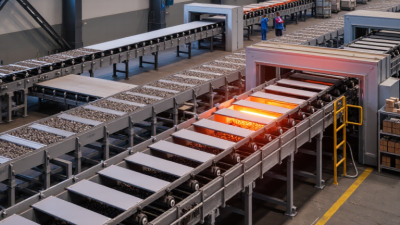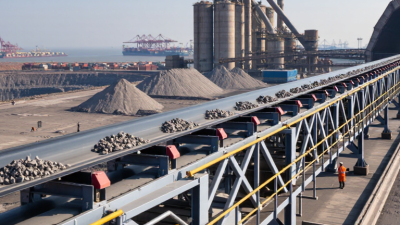
Stainless conveyor belts keep products moving through wet, abrasive, and temperature-sensitive production lines. Their performance depends on more than a shiny surface. Steel grade, belt geometry, weld quality, and cleaning access all shape reliability. Small design choices matter.
Grand View Research’s Conveyor System Market report valued the global market at USD 10.6 billion in 2023 and projected a 5.7% compound annual growth rate from 2024 to 2030. The report covers conveyor systems broadly, not stainless belts alone. Still, it signals continuing investment in automated material handling. Demand is not proof of quality.
This guide introduces ten stainless conveyor belt manufacturers worldwide. It offers a starting point, not a universal ranking. The right supplier depends on the product, line speed, load, washdown routine, and operating environment. A belt carrying delicate baked goods has different needs from one handling heavy metal parts. Ask manufacturers for material specifications, load limits, joint details, and cleaning guidance. Then compare those claims with your actual production conditions.
Catalogs can look convincing. Real performance requires scrutiny. A polished finish, for example, does not by itself establish corrosion resistance or easy sanitation. Buyers should verify the details with technical documentation and, where practical, sample testing. The manufacturers featured here vary in scale, specialization, and market reach. Their differences deserve a close look.
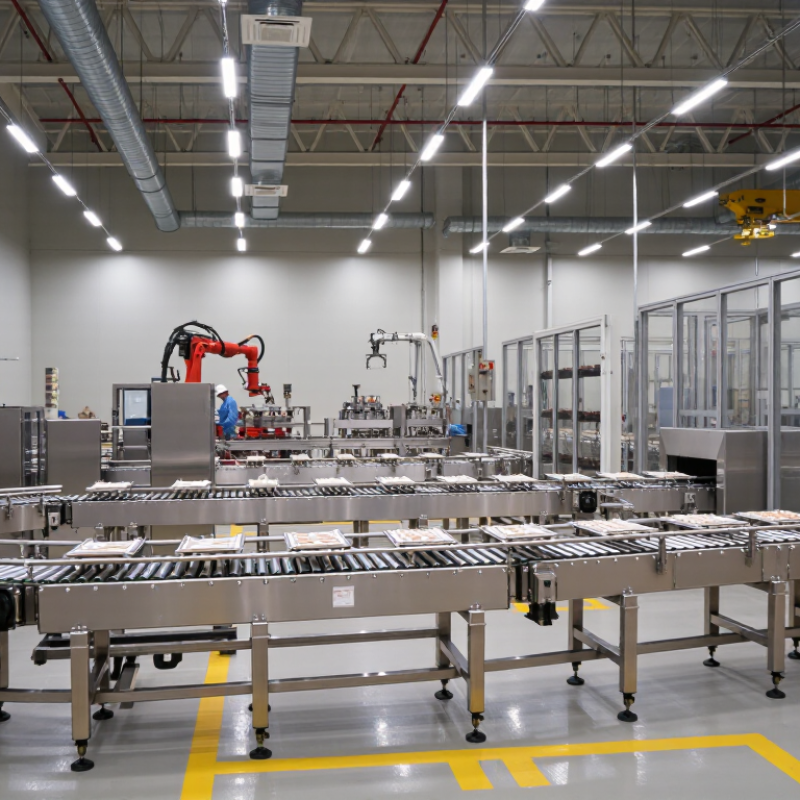
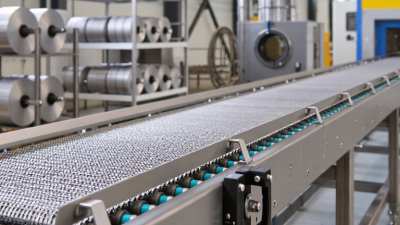
Stainless conveyor belts differ in shape, openness, and load capacity. Wire-mesh belts use interlaced spirals and cross rods, leaving airflow paths through the surface. Balanced-weave designs can handle tighter turns, while flat-wire styles provide a steadier carrying face. Some systems use perforated plates or linked sections for heavier products. Construction details matter. Pitch, wire diameter, edge finish, and drive method all affect tracking and cleanability.
Open mesh is useful in baking, washing, drying, and freezing because air or liquid can pass through the belt. Solid or close-weave surfaces better support small items that might drop through a wide mesh. A very open belt is not always better. Product size, weight, and temperature should guide the choice. Stainless grades such as 304 or 316 may suit different moisture and cleaning conditions, but the right selection depends on the process environment.
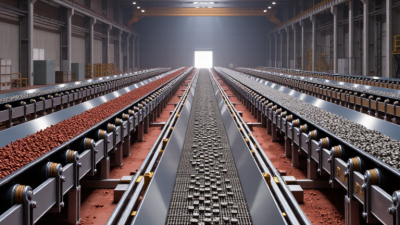
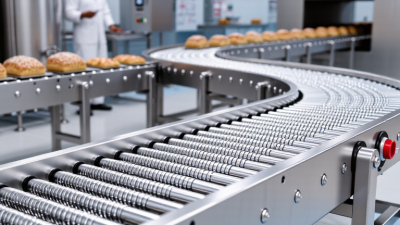
In food processing, belts often carry items through ovens, cooling zones, or rinsing stations. Heat treatment and metalworking lines may use heavier constructions to move parts through hot or abrasive conditions. Operators should check tension, sprocket alignment, and worn edges during routine inspections. Even a well-made belt can track poorly if its frame is misaligned. Cleaning access deserves attention too, since residue can collect around rods and joints.
10 Best Stainless Conveyor Belt Manufacturers Worldwide
For stainless conveyor belts, grade selection starts with chemistry. Grade 304 typically contains 18–20% chromium, while grade 316 contains 16–18%, in line with common ASTM A240 composition ranges. Chromium supports the passive surface layer that helps resist corrosion. Grade 316 also contains molybdenum, which can improve resistance to pitting in chloride-rich conditions. It is not corrosion-proof.
ASTM A240 specifies requirements for stainless steel plate, sheet, and strip; it does not certify a finished conveyor belt. Ask suppliers to identify the belt’s actual material form and provide traceable mill documentation. Then assess the operating details: washdown chemicals, temperature, belt opening size, edge finish, and load. A clean-looking sample is useful, but it cannot reveal how the belt will perform after repeated cleaning. That part is easy to overlook.
Tips: Match the grade to the process, not just the purchase price. For salty spray or frequent chloride exposure, compare 316 carefully with 304. Request chemistry records and inspect welds, joints, and cut edges. Small details matter. If conditions vary across the line, document them before choosing a specification.
Bars show typical ASTM A240 chemical composition ranges by weight. Grade 316 also contains 2–3% molybdenum; a molybdenum range is not specified for 304 in this comparison. These composition benchmarks compare grades, not manufacturers or conveyor-belt performance.
A stainless conveyor belt manufacturer should be evaluated by how well its design matches the product and process. Ask about belt pitch, wire diameter, edge construction, and finish. These details affect drainage, cleaning, tracking, and product support. Share sample dimensions and operating temperatures, not just a target belt width. Fit matters.
Capacity claims need context. Request operating limits for load, speed, and temperature, then compare them with your actual line conditions. Ask how the manufacturer verifies belt tension and tracks performance during testing. Certifications can indicate documented quality systems or material traceability, but check their scope and validity. A certificate alone does not prove that a belt suits your application. This point is easy to overlook.
Tips: Request a drawing, material specification, and test details before approval. Clarify spare-part availability, repair guidance, and response times. If a proposal feels vague, ask for measurable answers; I would not treat polished sales language as evidence. A small pilot run may reveal tracking or cleaning issues that drawings miss.
Across ten global manufacturer profiles, the useful differences are practical: belt construction, available wire diameters, edge finishes, and support for custom widths. Some producers specialize in fine-mesh belts for food processing; others focus on heavy-duty designs for heat treatment or packaging lines. A profile should also explain where a belt performs well, not just list its features. Details matter.
Tips: Ask for a sample, a dimensional drawing, and the recommended operating temperature. Check how the supplier handles belt tracking and repairs. A low purchase price may not reflect installation or maintenance costs.
Markets served can range from bakeries and seafood plants to metalworking and electronics facilities. Match each manufacturer’s stated experience to your product, washdown routine, load, and conveyor speed. Request references for similar applications when possible. Catalog claims need context; a mesh that suits one oven may behave differently in another. No profile can replace a site trial, and that limitation deserves a candid mention.
| Profile | Headquarters country | Stainless conveyor belt specialties | Typical markets served | Market reach |
|---|---|---|---|---|
| Manufacturer 01 | United States | Stainless-steel wire-mesh belts, including balanced-weave and other open-mesh designs for conveying and processing. | Food processing, baking, freezing, frying, and general industrial production. | North American manufacturing base with international customers. |
| Manufacturer 02 | United States | Metal-wire conveyor belting in mesh configurations designed for airflow, drainage, and heat transfer. | Commercial baking, food manufacturing, poultry processing, and industrial conveying. | Serves domestic and international industrial markets. |
| Manufacturer 03 | United States | Metal conveyor belts and belt-system solutions, including designs used in spiral and straight-through conveying. | Food processing, bakery, poultry, and other hygienic production environments. | North American operations with products supplied to customers worldwide. |
| Manufacturer 04 | Germany | Metal conveyor belts, including wire-mesh and other metal-belt constructions, supplied in varied widths and configurations. | Food, pharmaceuticals, packaging, and general manufacturing. | European production and sales serving international markets. |
| Manufacturer 05 | Italy | Metal conveyor chains and related conveying components, including stainless-steel options for production lines. | Food and beverage, packaging, can-making, and automotive manufacturing. | International supplier with a strong presence in European manufacturing markets. |
| Manufacturer 06 | Italy | Metal conveyor belts and wire-mesh products engineered for continuous conveying and demanding temperature conditions. | Food processing, heat treatment, automotive, and industrial production. | European manufacturer serving customers across multiple global industries. |
| Manufacturer 07 | Netherlands | Metal conveyor belts, including balanced-weave and other mesh designs for tailored conveying applications. | Food, chemical processing, recycling, and general industry. | European base with international project and export activity. |
| Manufacturer 08 | United States | Precision stainless-steel belts, including solid, perforated, and formed designs for controlled, low-stretch conveying. | Packaging, food processing, electronics, automation, and specialized manufacturing. | Supplies engineered belt solutions to customers in international markets. |
| Manufacturer 09 | United States | Metal conveyor belts designed for high-temperature service, including furnace and heat-treatment applications. | Heat treating, metal processing, automotive, and industrial furnace operations. | North American specialist serving heat-processing operations and related industries. |
| Manufacturer 10 | Spain | Metal-wire conveyor belts and mesh designs used for conveying, drying, cooling, and heat-processing duties. | Food processing, ceramics, heat treatment, and automotive manufacturing. | European manufacturer with products supplied to industrial customers internationally. |
Profiles are anonymized; market and application descriptions summarize publicly documented product categories and industry uses.
ISO 14159:2002 sets hygiene principles for machinery design, including stainless conveyor systems used in food processing. It emphasizes cleanability, suitable materials, and preventing contamination. Belt surfaces should be accessible for inspection and cleaning. Watch for narrow gaps, hollow sections, rough welds, and trapped moisture near joints. Details matter. A polished finish alone does not prove hygienic design.
Food-contact requirements depend on the intended use and sales market. Confirm that belt materials, coatings, lubricants, and other contacting parts are suitable for the specific food and operating conditions. Ask manufacturers for material specifications, traceability records, and relevant food-contact declarations. These documents support evaluation, but they do not replace a site-specific risk assessment. A common oversight is checking the belt while ignoring its frame, fasteners, and transfer points. Those areas can collect residue too.
Tips: Ask to see how the conveyor is opened, drained, and cleaned. Check welds and belt edges under bright light. Verify cleaning instructions with your sanitation team before installation. If a design is difficult to inspect, reconsider it. Small compromises can become routine cleaning problems.