2026 Best Steel Conveyor Belt Types for Global Buyers

Choosing the right steel conveyor belt in 2026 requires more than comparing tensile strength or purchase price. Global buyers must examine load size, belt width, operating temperature, corrosion exposure, splice design, and maintenance access. A belt moving hot castings needs different protection from one carrying crushed stone through a humid port.

Dr. David J. Alspaugh, a respected conveyor systems specialist, once stated, “A conveyor is only as reliable as its weakest component.” This principle remains practical. A high-strength steel cord belt may reduce elongation, yet poor alignment can still cause edge damage. A stainless steel mesh belt may resist corrosion, but its open structure can lose fine materials. Small details matter.

This guide compares major steel conveyor belt types for mining, ports, foundries, recycling plants, and food-processing equipment. It considers strength, flexibility, heat resistance, hygiene, service life, installation difficulty, and total ownership cost. Real purchasing decisions are rarely perfect. A cheaper belt can become expensive after repeated stoppages. A premium belt can also be excessive for light-duty transport. Buyers should request test data, certificates, reference projects, and clear warranty terms from established manufacturers.

Field experience often reveals what catalogues omit: dusty transfer points, uneven loading, cold starts, and rushed splicing. These conditions can reshape performance. This article therefore focuses on practical selection, not impressive specifications alone. The best steel conveyor belt is the one that matches the material, environment, and maintenance capability of its actual site. Sometimes, that answer is less obvious than expected.
2026 Best Steel Conveyor Belt Types for Global Buyers

Steel Conveyor Belt Fundamentals and Classification

2026 Best Steel Conveyor Belt Types for Global Buyers

Steel Conveyor Belt Fundamentals and Classification

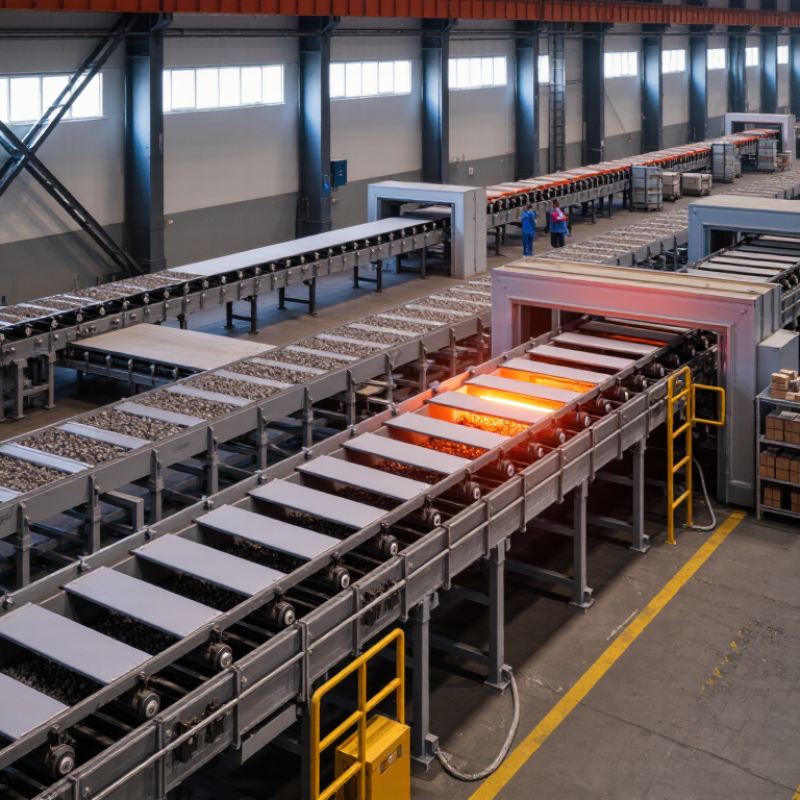
Steel conveyor belts move hot, sharp, wet, or abrasive materials through demanding production lines. Their structure usually includes metal mesh, rods, plates, or linked steel modules. Each construction changes airflow, flexibility, cleaning, and load capacity. In practical inspections, the belt surface often reveals more than a specification sheet. Bent rods, blocked openings, and uneven edges indicate operating stress.

Balanced weave belts suit general conveying and moderate temperatures. They provide flexibility and stable tracking around drums. Compound weave belts use denser layers, making them suitable for heavier loads and smaller particles. Rod belts offer open surfaces for washing, drying, cooling, or coating processes. Plate belts handle impact better, especially when containers or metal parts drop onto the conveyor. Chain-edge designs improve side support, but they can add maintenance points.

Classification should consider mesh opening, wire diameter, belt width, edge construction, and working temperature. A fine opening contains small products, yet it may collect residue more easily. A wide opening improves drainage but can reduce product support. Stainless steel is common where moisture and cleaning chemicals are present. Carbon steel can be economical in controlled environments, but corrosion protection deserves careful checking. A wider belt is not automatically better. I have seen oversized belts increase tracking problems and energy use. Selection remains partly imperfect, so test samples under real speed, load, heat, and cleaning conditions before final purchasing.

2026 Best Steel Conveyor Belt Types for Global Buyers

Steel Conveyor Belt Fundamentals and Classification

How to read the classification

The ST designation is used for steel-cord conveyor belts, and the number represents the nominal longitudinal tensile strength in newtons per millimetre (N/mm). Higher ST classes are generally selected for higher belt tensions, longer conveying distances, steep lifts, or heavier material loads. Final belt selection also depends on belt width, conveyor geometry, splice efficiency, cover grade, abrasion, temperature, fire resistance, and operating conditions.

Data basis: representative steel-cord tensile-strength classes specified in ISO 15236 belt classification practice. Values show nominal class strength, not market share or guaranteed operating capacity.

Key Steel Conveyor Belt Types for Different Transport Needs

Steel Conveyor Belt Types for Different Transport Needs

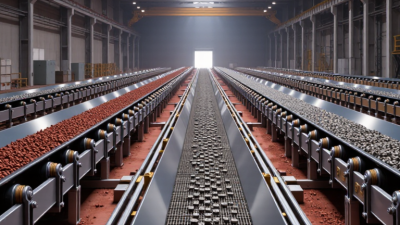
Steel conveyor belts are not interchangeable. For long-distance mining routes, steel cord reinforced belts provide high tensile strength and lower stretch. ISO 15236 covers steel cord conveyor belts, supporting more consistent engineering decisions. They suit heavy ore, aggregate, and coal transport, where loaded sections may extend for several kilometres.

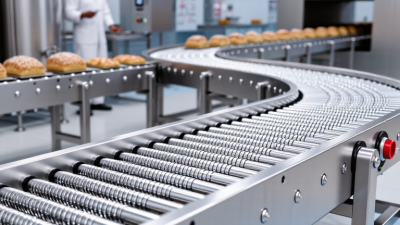
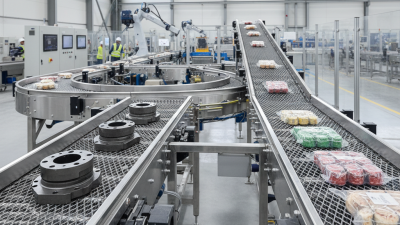
Stainless steel mesh belts work better in heat-treatment, washing, drying, and food-processing lines. Their open structure allows air, water, and heat to pass through the product. Hinged steel plate belts handle sharp, hot, or oily parts, including castings and metal scrap. For drainage or cooling, perforated designs can reduce trapped liquid. Small openings matter more than many buyers expect.

The global conveyor belt market was valued at about USD 5.85 billion in 2023, according to Fortune Business Insights. Growth is linked to mining, logistics, manufacturing, and automated material handling. Yet market growth does not make selection simple. A thicker belt may survive impact but waste energy through added weight. A fine mesh may improve airflow but collect debris in difficult environments. Experience shows that temperature, load shape, cleaning method, belt speed, and maintenance access deserve equal attention. I have seen specifications focus on tensile strength while ignoring transfer-point impact. That mistake can shorten service life. Always verify dimensions, joint design, and operating limits against relevant ISO requirements and site conditions.

2026 Best Steel Conveyor Belt Types for Global Buyers – Key Steel Conveyor Belt Types for Different Transport Needs
Steel Conveyor Belt Type Typical Transport Need Common Materials Typical Temperature Range Typical Working Strength or Capacity Recommended Speed Range Key Advantages Important Selection Considerations
Steel-Cord Rubber Conveyor Belt Long-distance, high-capacity transport in mining, quarrying, ports and bulk-material terminals. Iron ore, coal, limestone, copper ore, aggregates and overburden. Approximately -40°C to +80°C for standard rubber grades; higher-temperature compounds may be available for specialized service. Common steel-cord ratings are approximately 1,000–8,000 N/mm; capacity may exceed 10,000 t/h in large systems, depending on belt width and material. Approximately 3–7.5 m/s, subject to belt width, material characteristics, loading method and conveyor design. High longitudinal strength, low elongation, long conveying distance capability and good resistance to heavy impact when correctly specified. Requires accurate alignment, suitable pulley diameters, proper vulcanized splicing and regular inspection for cord corrosion or damage.
Fabric-Reinforced Belt with Steel Breaker Medium- to heavy-duty conveying where improved impact and tear resistance are needed without using a fully steel-cord construction. Crushed stone, sand, gravel, cement raw materials and general bulk goods. Approximately -30°C to +80°C for common covers; heat-resistant grades can be selected for hotter materials. Typically about 315–3,150 N/mm, depending on carcass design and belt construction. Approximately 1.5–5 m/s. Good flexibility, easier handling than very high-strength steel-cord belts and improved resistance to longitudinal ripping when a steel breaker is incorporated. Not generally the first choice for the longest conveyors or the highest tensions; cover grade must match abrasion, oil or heat exposure.
Steel Mesh Conveyor Belt Continuous conveying, drying, washing, cooling, heat treatment and furnace processing. Food products, baked goods, metal parts, ceramics, glass, chemicals and coated components. Approximately -50°C to +1,100°C, depending on stainless-steel grade, wire diameter, mesh design and furnace atmosphere. Usually specified by allowable load per unit width; practical loads range from light product handling to several hundred kilograms per square metre. Approximately 0.05–20 m/min for processing lines; higher speeds may be possible for lighter products. Open structure, good air or gas circulation, cleanability, dimensional stability and suitability for controlled thermal processes. Mesh opening, wire diameter, edge construction, belt tracking and thermal expansion must be matched to product size and process temperature.
Balanced-Weave Steel Mesh Belt Small- and medium-sized products requiring stable conveying through ovens, washers, fryers or cooling zones. Food items, fasteners, electronic parts, pharmaceutical components and small castings. Approximately -50°C to +600°C for common stainless-steel constructions; exact limits depend on alloy and operating conditions. Light to medium loads, commonly up to approximately 150 kg/m² in processing applications, subject to belt dimensions and support spacing. Approximately 1–15 m/min. Smooth running, good flexibility, relatively small mesh openings and reliable product support. Requires suitable sprockets or drums, correct tension and adequate support to prevent belt sag under load.
Chain-Edge Steel Mesh Belt Heavy-duty ovens, quenching systems, washing lines and applications requiring positive drive and precise tracking. Heat-treated steel parts, castings, forged components, trays and heavy food-processing products. Approximately -40°C to +800°C, depending on chain material, wire grade and process atmosphere. Medium to heavy loads; commonly designed for approximately 100–500 kg/m², with higher values possible after engineering review. Approximately 0.5–12 m/min. Positive sprocket drive, stable tracking, strong side support and better suitability for heavy or unevenly distributed loads. Chain lubrication, sprocket alignment, thermal expansion and side-load control are critical for service life.
Steel Plate Apron Conveyor Heavy-duty, low-speed transport of hot, sharp, abrasive or irregular bulk materials. Hot clinker, slag, scrap metal, limestone, coal, rocks and demolition materials. Approximately -20°C to +600°C for many standard designs; specialized systems may handle higher material temperatures with suitable cooling and construction. Commonly designed for approximately 50–1,000 t/h; actual capacity depends on plate width, speed, inclination and bulk density. Approximately 0.05–0.5 m/s. Very high impact resistance, strong load support, suitability for hot materials and reduced risk of puncture compared with rubber belts. Heavier and slower than rubber belts; requires robust drive equipment, careful chain inspection and suitable sealing against fines.
Steel Pan Conveyor Controlled transport of hot, abrasive or large-lump materials on horizontal or inclined routes. Clinker, ash, slag, ore, foundry sand, limestone and heavy industrial waste. Approximately -20°C to +500°C for common designs, depending on pan material and thermal protection. Commonly approximately 20–500 t/h, subject to pan width, pan depth, speed and material bulk density. Approximately 0.05–0.4 m/s. Rigid carrying surface, reliable containment of material and strong resistance to sharp edges and localized impact. Pan overlap, chain tension, wear liners and transfer-point design should be checked to limit material leakage and wear.
Perforated Steel Conveyor Belt Drainage, filtration, washing, cooling and separation where liquid or fine particles must pass through the conveying surface. Washed produce, seafood, meat products, metal parts, glass, ceramics and recycled materials. Approximately -40°C to +500°C, depending on stainless-steel grade, hole pattern and process conditions. Light to medium loads, commonly approximately 50–250 kg/m² for process conveyors. Approximately 0.05–10 m/min. Good drainage, easy cleaning, defined product support and resistance to corrosion when an appropriate stainless-steel grade is used. Perforation size must prevent product loss or blockage; edges and openings should be finished to avoid product damage.
Steel Cleated Conveyor Belt Inclined conveying where material must be lifted while reducing rollback and spillage. Bulk solids, cartons, trays, metal parts, packaged goods and recycled materials. Approximately -30°C to +150°C for common constructions; higher limits require specialized materials and drive components. Typically designed for approximately 20–300 kg/m² or up to several hundred tonnes per hour, depending on cleat design and conveyor width. Approximately 0.1–2 m/s. Improved incline capability, controlled product spacing and flexible layout options. Cleat height, pitch, loading method, discharge geometry and cleaning access must match the conveyed product.
Selection note: The figures above are typical engineering ranges rather than guaranteed operating limits. Final belt selection should be verified against material bulk density, lump size, belt width, conveyor length, incline, impact conditions, ambient temperature, chemical exposure, cleaning requirements and applicable safety standards.

Material, Structure, and Performance Comparison

2026 Best Steel Conveyor Belt Types for Global Buyers

Material, Structure, and Performance Comparison

Steel conveyor belts differ mainly in cord material, rubber compound, and internal arrangement. Galvanized steel cords resist moisture and improve corrosion protection during long-distance transport. High-tensile cords support heavy loads with less belt stretch. However, higher strength does not always mean better value. A smaller conveyor may gain little from an oversized belt.

The cover rubber must match the conveyed material. Abrasion-resistant compounds suit crushed stone, ore, and sharp aggregates. Oil-resistant rubber performs better with oily materials, while heat-resistant grades handle hot clinker or sintered products. Temperature ratings need careful checking. Short exposure and continuous exposure are not the same.

Structure also controls performance. A belt with balanced cord spacing reduces uneven tension. Transverse reinforcement can improve tear resistance near loading points. Proper splice design remains critical, because one weak joint can limit the entire system. In field inspections, misalignment and poor cleaning often cause more damage than cord failure. This is easy to overlook.

Performance should be verified through tensile tests, elongation data, cover abrasion tests, and low-temperature testing. Global buyers should review the actual operating speed, belt width, incline angle, load impact, and climate. Laboratory figures are useful, but installation quality may change the result. No selection is perfect. A cautious comparison usually prevents expensive assumptions.

Selection Criteria for Global Industrial Applications

Selection Criteria for Global Industrial Applications

Selection starts with material and operating conditions, not catalog photos. Determine load, belt width, trough angle, and conveyor length. Steel cord belts suit long distances and high tensile demands. Fabric-reinforced belts may fit shorter, more flexible routes. The choice changes with impact, abrasion, heat, and moisture.

For global industrial applications, inspect temperature ranges, splice methods, and available maintenance skills. A belt near a hot kiln may need heat-resistant compounds and protected edges. Wet aggregate handling requires suitable covers, drainage, and corrosion-aware hardware. Food, mining, cement, and ports also face different hygiene, dust, and safety expectations. Check local standards before ordering. Ask for test data, carcass strength, elongation, cover wear, and fire performance.

Installation details often decide service life. Measure pulley diameters and belt alignment on site. A strong belt can still fail under poor tracking. We have seen premature edge damage from seized idlers and uneven loading. That lesson is easy to overlook. Specify inspection access, spare splices, and realistic replacement time. I would not select a belt from tensile strength alone. Total cost includes energy use, downtime, cleaning, and disposal. Some applications remain uncertain until seasonal moisture and temperature are observed. A small field trial may reveal more than a polished specification sheet.

Installation, Maintenance, and Compliance Considerations

Steel conveyor belt selection is only half the purchase decision. Installation quality often determines service life. ISO 15236-1 covers steel cord belt construction, while ISO 14890 addresses conveyor belt requirements for general conveying. Buyers should request cord pitch, splice design, cover grade, and batch traceability before shipment. A 2 millimetre tracking error can create edge damage quickly, especially under wet, abrasive loading.

Field commissioning teams should measure pulley alignment, belt tension, take-up travel, and splice temperature. Record these values with photographs.

The U.S. Mine Safety and Health Administration reported 40 mining fatalities in 2023, reinforcing the need for guarded nip points, emergency pull-cords, and documented lockout procedures. Local authorities may require additional inspections. Compliance cannot be assumed from an ISO certificate alone. It is a useful starting point, not proof of site readiness.

Tips:

  • Store belts on clean cradles, never on bare ground.
  • Rotate rolls during long storage.
  • Inspect splice areas weekly during the first month.
  • Check mistracking after rain or material changes.
  • Maintenance logs should include date, belt location, tension readings, and corrective action.

One practical weakness remains: many buyers specify belt strength precisely but under-specify installation training. That gap deserves more attention. The World Steel Association reported 1.89 billion tonnes of crude steel production in 2023, yet volume does not guarantee consistent belt quality.

Request independent test reports for tensile strength, adhesion, abrasion, and flame performance before approval.