How to Use Freeze Dried Fruits in Your Recipes?
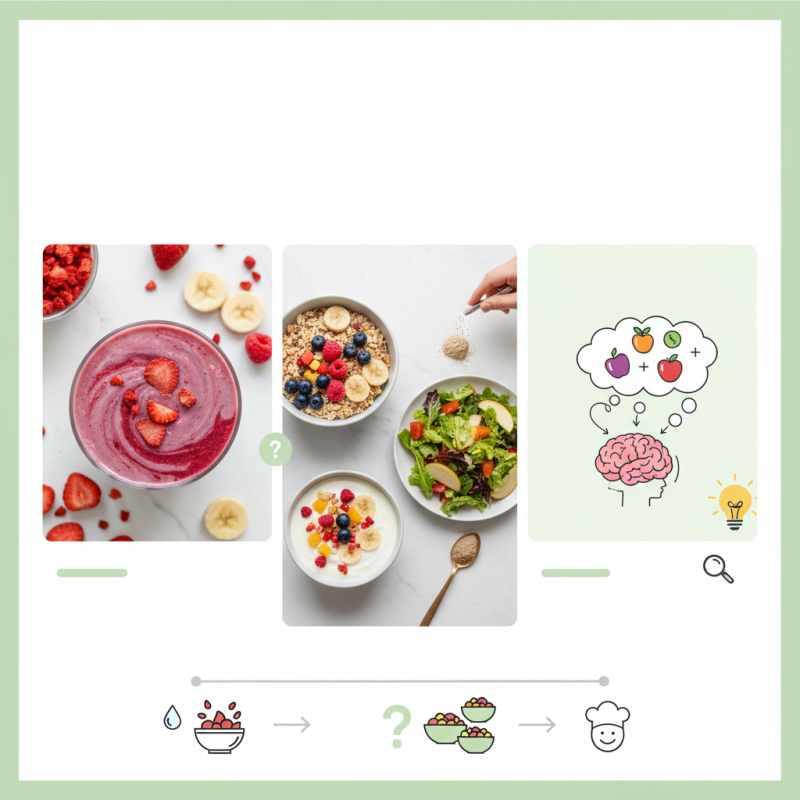
Incorporating Freeze Dried Fruits into your recipes can transform ordinary dishes into extraordinary experiences. These fruits retain their nutrients and flavor while offering a convenient option for cooking and snacking. Imagine a vibrant fruit smoothie that bursts with taste, thanks to the colorful addition of freeze dried strawberries and bananas.
When using freeze dried fruits, it’s essential to rehydrate them properly. Sometimes, the results may surprise you. You might find that certain fruits do not behave as expected. For instance, freeze dried apples can become quite chewy when rehydrated, adding an interesting texture to salads. The key is experimentation—some combinations work, while others might need more thought.
Blend these fruits into your morning oatmeal, or sprinkle them over yogurt for added crunch. However, keep in mind that not every dish will benefit equally from freeze dried fruits. Finding the right balance is crucial. Embracing a trial-and-error approach can lead to delightful and unique recipes.
Understanding the Nutritional Benefits of Freeze Dried Fruits
Freeze dried fruits offer a convenient way to enjoy the nutritional benefits of fresh produce. These fruits retain most of their vitamins and minerals during the freeze-drying process. They provide fiber, antioxidants, and essential nutrients. For instance, a handful of freeze dried strawberries delivers a punch of vitamin C without added sugars. This makes them an excellent choice for healthy snacks or recipe enhancements.
Incorporating freeze dried fruits into meals is simple. You can mix them into oatmeal or yogurt for a nutritious breakfast. They can also be used in smoothies, adding texture and flavor. When baking, these fruits can substitute fresh ones, giving cookies and muffins a burst of taste. However, their texture may not match fresh fruit. This can lead to unexpected results, so experimenting is key.
It's important to remember that not all freeze dried fruits are created equal. Some may contain added sugars or preservatives. Always check labels to ensure you’re making a healthy choice. While freeze dried options are versatile, fresh fruit remains irreplaceable in many recipes. Balancing both can create delightful dishes.
How to Use Freeze Dried Fruits in Your Recipes? - Understanding the Nutritional Benefits of Freeze Dried Fruits
| Fruit Type | Nutritional Benefits | Common Uses | Rehydration Method |
| Strawberries | Rich in Vitamin C and antioxidants | Smoothies, cereals, baked goods | Soak in water for 10-15 minutes |
| Bananas | High in potassium and dietary fiber | Pancakes, muffins, trail mix | Add directly to recipes or rehydrate |
| Apples | Good source of Vitamin C and antioxidants | Oatmeal, salads, snacks | Rehydrate in warm water for 5-10 minutes |
| Blueberries | High in antioxidants and fiber | Yogurt, desserts, smoothies | Soak in cold water for 10 minutes |
| Peaches | Rich in vitamins A and C | Ice cream, cobblers, breakfast bowls | Rehydrate in warm water for 10-15 minutes |
Choosing the Right Freeze Dried Fruits for Your Recipes
Choosing the right freeze dried fruits can be challenging. The variety available in the market can seem overwhelming. Each type of fruit brings unique flavors, textures, and nutritional benefits. According to a recent study by the USDA, freeze-dried strawberries retain about 90% of their nutrients. This makes them a great choice for health-conscious recipes.
When selecting freeze-dried fruits, consider the intended dish. For smoothies, bananas or blueberries blend well, adding natural sweetness. On the other hand, for oatmeal, apples or peaches provide a delightful chewiness. A report from the National Fruit Trade Association suggests that over 70% of consumers prefer fruits that maintain their vibrant color and taste.
Experimenting with freeze-dried fruits requires a bit of practice. You might find some combinations don’t work as expected. For instance, freeze-dried mango can dominate other flavors. It’s about balance. Trying different proportions can help achieve the desired taste. Don't hesitate to adjust recipes as you go. Cooking with freeze-dried fruits can enhance creativity in the kitchen!
Rehydration Techniques: Making the Most of Freeze Dried Fruits
Rehydrating freeze-dried fruits is crucial for enjoying their natural flavors. Many people underestimate the right methods. According to industry reports, proper rehydration can enhance the fruit's texture and nutritional value.
One effective technique is soaking. Place the fruits in warm water for about 10-15 minutes. This method brings back moisture efficiently. Many studies suggest that soaking can retain up to 90% of essential vitamins. However, over-soaking can lead to a mushy texture. Balance is key.
Another method is using hot liquids. Pouring hot tea or juice over the fruits can provide a unique twist. Just a few minutes can revive flavors. Experiment with different liquids to discover new tastes. On the other hand, not every fruit benefits from hot hydration. Some may lose their vibrant colors and freshness. It's a matter of trial and error. Aim for optimal results with each use.
Incorporating Freeze Dried Fruits into Baking and Cooking
Freeze dried fruits can be a game-changer in the kitchen. They add flavor and texture to a variety of dishes. You can use them in baking, snacks, or even savory meals. The key is to understand how to incorporate them effectively.
When baking, treat freeze dried fruits like fresh ones. Chop them into smaller pieces before adding. This helps distribute the flavors evenly. For example, add them to your muffin batter or cookie dough. They can give a vibrant color and a burst of taste. You might notice some fruits collapse or lose shape. This is normal and can create unique textures.
**Tip:** To keep the fruits flavorful, mix them with dry ingredients first. This keeps the moisture balanced in your recipe.
In savory dishes, consider using freeze dried fruits in sauces or salads. They can enhance flavors in unexpected ways. You might have to experiment with amounts. Start with small quantities and adjust based on your taste. Sometimes, the fruit can overwhelm the dish. It’s about finding the right balance.
**Tip:** Rehydrate the fruits in warm water before using them in salads. This can make them softer and easier to eat.
Remember, the goal is to enjoy the cooking process. Don’t hesitate to try different combinations. Each attempt teaches you something new. This trial and error is part of the joy of cooking.
How to Use Freeze Dried Fruits in Your Recipes
Creative Recipe Ideas Featuring Freeze Dried Fruits
Freeze dried fruits are a versatile ingredient for any recipe. They maintain most of their nutritional qualities and flavors. You can use them in snacks, desserts, and even main dishes. Their lightweight nature makes them easy to incorporate. They can add a pop of color and a burst of flavor to your meals.
Try adding freeze dried strawberries to pancakes or waffles. They rehydrate beautifully when cooked. This adds natural sweetness and a vibrant color. Consider making yogurt parfaits with layers of freeze dried blueberries and granola. The crunch contrasts nicely with the creamy yogurt.
Besides breakfast, they can be used in salads, too. Toss some freeze dried raspberries on top for a unique twist on a classic dish.
However, be mindful of the moisture content. Too much liquid can lead to sogginess. Experimenting with the right amounts can take practice. You might find that certain combinations don't work as you hoped. Don't hesitate to play around. The process is about enjoying the flavors. Embrace the imperfections and learn as you cook.