
Top 10 Scuter Electric Scooter Types for Global Buyers?

Choosing an electric scooter for international use is rarely a simple size comparison. Buyers must examine terrain, climate, riding distance, charging access, service support, and local safety requirements. This guide introduces the Top 10 Scuter Electric Scooter types for global buyers. Each type serves a different daily situation, from short urban trips to steep suburban routes and practical cargo errands.

Horace Dediu, founder of Micromobility Industries, describes the sector with a useful reminder: “Micromobility is not a vehicle; it is a system.” That idea matters here. A powerful motor may feel impressive on a showroom floor, yet it can be unnecessary on flat streets. A lightweight model may carry easily upstairs, but its smaller tires can feel less stable on broken pavement. Details matter.

The comparison will consider motor output, battery capacity, real-world range, braking systems, tire design, suspension, water resistance, folding structure, and after-sales support. It will also distinguish advertised performance from practical riding experience. Numbers can mislead. Range changes with rider weight, wind, temperature, and hills. No ranking is perfect, either. A model praised in Singapore may perform poorly on cold European streets. A commuter scooter may frustrate a delivery worker. Readers should verify regional certification, speed limits, insurance rules, and charging compatibility before buying. This introduction therefore treats the Scuter Electric Scooter as transport equipment, not merely a fashionable gadget.
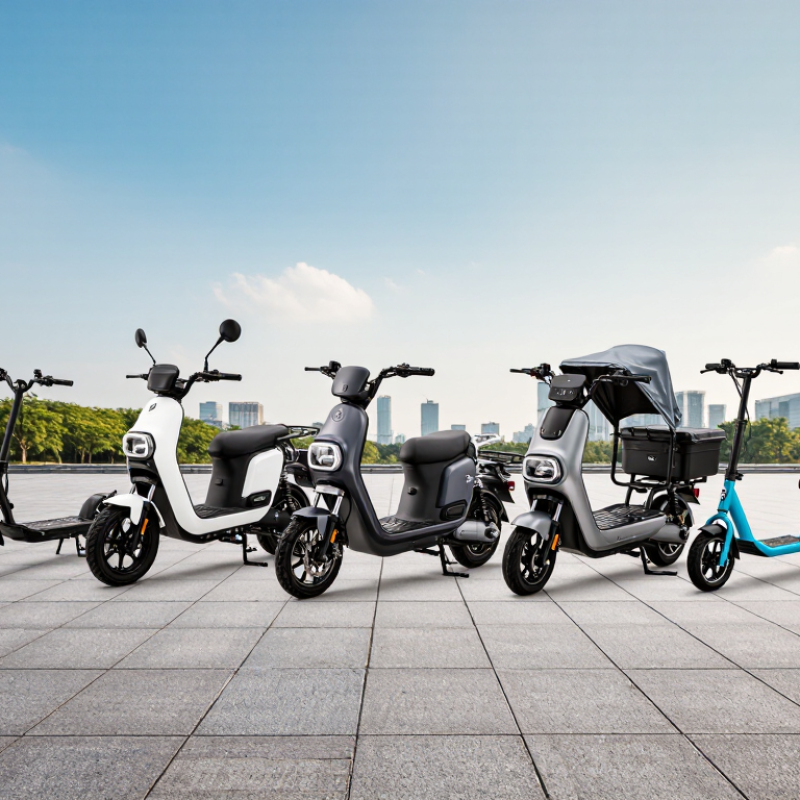
Top 10 Scuter Electric Scooter Types for Global Buyers?

What Defines an Electric Scooter Type for Global Buyers?

Top 10 Scooter Electric Scooter Types for Global Buyers?

What Defines an Electric Scooter Type for Global Buyers?

An electric scooter type is defined by use, not appearance. A compact commuter suits short urban trips, while a seated model supports longer journeys. Cargo scooters need stronger frames, larger decks, and higher payload ratings. Off-road versions require suspension, wider tires, and better water resistance. These differences matter more than display size or advertised speed.

The International Energy Agency’s Global EV Outlook 2024 reports more than 280 million electric two- and three-wheelers worldwide. That scale shows why buyers need practical categories. A delivery rider may prioritize battery-swapping compatibility and service access. A daily commuter may value a 15-kilogram frame, folding hinges, and reliable braking. Range claims still need caution. Cold weather, hills, rider weight, and tire pressure can reduce real distance significantly.

A useful evaluation starts with duty cycle. Count daily kilometers, charging hours, road quality, and carried weight. Then compare motor output, battery capacity, wheel size, suspension, lighting, and repair support. The Global Micromobility Market Report by McKinsey describes strong growth potential, yet market forecasts remain uncertain. That is worth remembering. Some buyers choose the highest specification, then discover poor portability or expensive repairs. A practical type should match real streets, not showroom excitement.

The Ten Main Electric Scooter Types and Their Core Features

Top 10 Electric Scooter Types for Global Buyers

The ten main electric scooter types serve different roads, bodies, and daily routines. The IEA’s Global EV Outlook 2024 identifies electric two-wheelers as the most electrified road transport segment worldwide.

Commuter scooters prioritize balanced range, lights, and practical braking. Folding scooters fit train luggage areas and small apartment corners. Lightweight scooters favor easy carrying over battery capacity. Long-range scooters use larger batteries, but they become heavier.

Performance scooters add stronger motors, wider decks, and advanced suspension. Off-road scooters use knobby tires, sealed electronics, and higher ground clearance. Grip matters.

Seated scooters support older riders or longer journeys with reduced leg fatigue. Three-wheel scooters improve low-speed stability, though turning feels different. Cargo scooters carry groceries through reinforced decks, racks, or front platforms.

Connected fleet scooters typically include tracking, diagnostics, and replaceable battery systems. NACTO’s 2023 Shared Micromobility Report recorded 157 million shared micromobility trips in the United States and Canada, showing why durability matters beyond private ownership.

Buyers should compare tested range, not only advertised distance. Wind, hills, rider weight, temperature, and tire pressure change results. Look for reliable brakes, visible lighting, a sturdy stem, and a battery management system. Check local requirements before riding. No category is perfect. A light scooter may feel weak uphill, while a powerful model can become awkward on stairs. Range claims still deserve skepticism.

How Scooter Types Match Different Riders and Travel Needs

Top 10 Scooter Electric Scooter Types for Global Buyers

Choosing an electric scooter starts with the rider, not the specification sheet. A lightweight city scooter suits commuters carrying it upstairs. A folding model works better for trains, offices, and short transfers. Long-range scooters help rural riders, but their larger batteries add weight. Seated scooters reduce fatigue during extended trips. Three-wheel designs can offer extra balance on smooth roads.

Off-road scooters need wider tires, stronger suspension, and careful speed control on gravel. Performance scooters suit experienced riders who understand braking distance and surface changes. Cargo scooters support groceries or work equipment, although tight streets may feel difficult. Moped-style scooters provide a relaxed posture for daily travel. Compact travel scooters fit smaller vehicles, but limited wheel size can make rough pavement uncomfortable. These are ten useful categories, not ten perfect answers.

I have found that claimed range rarely matches real journeys. Hills, cold weather, rider weight, tire pressure, and frequent stops all matter. Measure your usual route before choosing a battery. Check charging access, spare-part availability, weather resistance, and local equipment requirements. A bright headlight and dependable brakes matter more than decorative displays. I once underestimated staircase weight; that mistake changed my priorities. Still, no category solves every need. A comfortable seat may reduce portability, while extra suspension can reduce efficiency. Test the riding position, folding action, and braking feel whenever possible. Small details decide whether the scooter becomes daily transport or stays unused.

Top 10 Electric Scooter Types for Global Buyers

Typical real-world travel range by scooter type, helping riders match vehicle characteristics with daily commuting, leisure, accessibility, cargo, and adventure needs.

Range figures are representative category estimates in kilometers. Actual performance varies with rider weight, speed, terrain, temperature, tire pressure, and battery condition.

Global Differences in Range, Safety, Power, and Charging

Top 10 Scuter Electric Scooter Types for Global Buyers

Global buyers should compare scooter types through range, safety, power, and charging conditions. Lightweight foldable scooters suit short urban trips and crowded trains. Commuter models usually provide balanced range, wider decks, and stronger brakes. Long-range scooters carry larger batteries, but they become heavier. Seated scooters offer comfort for older riders or longer journeys. Three-wheel models improve low-speed stability, although tight corners may feel less agile.

Performance scooters deliver high power for steep roads and heavy riders. Off-road scooters need stronger suspension, sealed electronics, and durable tires. Cargo scooters support shopping or delivery work, but their load changes braking distance. Compact rental-style scooters favor simple maintenance and frequent charging. Utility scooters add practical storage, yet extra weight can reduce range. These ten categories overlap, so one model may fit several groups.

Range figures often assume light riders, flat roads, and mild temperatures. Cold weather, hills, tire pressure, and stop-start traffic can reduce distance sharply. I would treat advertised range as an optimistic ceiling, not a promise. Check battery capacity, charging time, and replacement access before buying. Charging also differs globally; household voltage, plug design, and building rules matter. Use the supplied charger on a dry, ventilated surface. Never ignore brake response, lighting, reflectors, tire grip, or frame movement. Higher wattage is not automatically safer. Local speed, helmet, road-use, and parking requirements must be verified before purchase. My own comparison method still has limits, especially when weather changes quickly. That uncertainty deserves attention.

Top 10 Scuter Electric Scooter Types for Global Buyers?

Global Differences in Range, Safety, Power, and Charging

No. Scooter Type Typical Real-World Range Typical Motor Output Common Speed Range Safety Characteristics Typical Charging Time Best Global Use Case
1 Entry-Level Urban Commuter 15–25 km 250–350 W nominal 20–25 km/h Front or rear electronic braking, basic headlight, rear reflector, bell, and speed-limiting modes 4–6 hours Short city trips, flat roads, and markets with low legal speed limits
2 Long-Range Commuter 30–55 km 350–500 W nominal 25–32 km/h Dual braking systems, wider pneumatic or tubeless tires, bright front and rear lighting, and battery protection circuitry 6–9 hours Daily commuting and longer urban journeys where charging access is limited
3 Performance Single-Motor Scooter 35–60 km 500–800 W nominal 30–45 km/h Disc or drum braking, reinforced stem, deck lighting, traction-focused tires, and selectable riding modes 6–10 hours Open roads and hilly areas where local regulations permit higher power
4 Dual-Motor High-Performance Scooter 40–80 km 1,000–2,000 W combined nominal 40–70 km/h Hydraulic or strong mechanical brakes, suspension, reinforced frame, high-visibility lighting, and battery management protection 8–12 hours Private land, steep terrain, and markets with motorcycle-style registration rules
5 Lightweight Folding Travel Scooter 12–25 km 200–350 W nominal 20–25 km/h Reliable folding latch, low center of gravity, electronic braking, reflectors, and compact lighting 4–7 hours Last-mile travel, public transport connections, offices, and small apartments
6 Seated Comfort Scooter 25–50 km 350–800 W nominal 20–35 km/h Stable wheelbase, wide tires, seat, mirrors, front and rear lights, and stronger parking support 6–10 hours Older riders, comfort-focused users, and longer low-speed neighborhood trips
7 All-Terrain Off-Road Scooter 30–60 km 800–2,000 W combined nominal 30–55 km/h Large pneumatic tires, suspension, sealed connectors, strong disc brakes, and protective fenders 8–12 hours Unpaved paths and private trails; public-road legality varies significantly
8 Water-Resistant Wet-Climate Scooter 25–50 km 350–800 W nominal 25–40 km/h Sealed battery compartment, covered charging port, full fenders, anti-slip deck, and enhanced visibility 6–10 hours Humid or rainy regions; water-resistance ratings should be checked before purchase
9 Cargo and Utility Scooter 25–50 km 500–1,000 W nominal 20–35 km/h Reinforced deck, stable frame, load-rated brakes, front and rear lights, and high-load tires 6–10 hours Small deliveries, shopping, campus logistics, and urban utility work
10 Shared-Fleet and Rental Scooter 25–55 km per battery cycle 300–600 W nominal 20–30 km/h Heavy-duty frame, tamper-resistant components, automatic lighting, geofencing, location tracking, and fleet diagnostics 4–8 hours or battery swapping Tourism, campuses, transport hubs, and managed urban mobility services

Note: Figures are typical industry ranges under moderate loads and favorable conditions. Actual performance changes with rider weight, terrain, temperature, tire pressure, riding speed, and battery age. Charging systems must match the destination country's plug, voltage, frequency, and electrical-safety requirements.

How to Choose the Right Electric Scooter Type for Your Market

Choosing an electric scooter type starts with the street, not the catalogue. The IEA’s Global EV Outlook 2024 reports more than 50 million electric two- and three-wheelers already operating worldwide. That scale shows strong demand, but markets differ sharply. A dense city may need a lightweight commuter, folding, or shared-use scooter. Uneven roads may require a seated, long-range, or three-wheel design. Rural buyers may prefer an off-road model with larger tyres. Cargo users need reinforced decks and stable braking.

Market conditions should guide the shortlist. Consider ten practical types: commuter, folding, seated, long-range, off-road, performance, cargo, three-wheel, mobility, and shared-use scooters. Then test each against road quality, climate, rider weight, charging access, and repair skills.

The European Alternative Fuels Observatory notes that public charging availability varies greatly across regions, so battery size alone can mislead buyers. A smaller battery may work better where charging is frequent and reliable. A larger one adds weight.

Check certification, lighting, braking, water resistance, spare parts, and battery warranty before ordering. The Global EV Outlook also highlights battery swapping as useful in high-utilisation markets, but it requires compatible infrastructure. That is often overlooked. I would measure real range with a rider, cargo, hills, and cold weather, not laboratory claims. No model fits every city. Even experienced buyers can choose badly when local service data is missing. A sensible pilot with ten to twenty units may reveal more than a large first purchase.