Top Pet Food Machinery for Efficient Production and Quality Assurance?
The pet food industry has seen significant growth, expected to reach $124 billion by 2027. This surge highlights the importance of efficient production processes. Key to this growth is advanced pet food machinery that ensures high-quality output.
Modern machinery can streamline production and reduce waste. However, some companies still rely on outdated systems, which can hinder overall efficiency. Investing in the right equipment is essential. The latest machinery offers precision and consistency for both dry and wet food products. Innovative features allow for better control over ingredient quality and nutritional content.
Quality assurance remains a critical focus. Studies show that 85% of pet owners prioritize high-quality food for their pets. Inadequate machinery can compromise this quality. It is vital for manufacturers to continually assess and upgrade their operations. Choosing the right pet food machinery is not merely an option but a necessity for success in this competitive market.
Top Pet Food Machinery Innovations for Enhanced Efficiency
The pet food industry is rapidly evolving. Recent innovations in machinery have substantially enhanced production efficiency. A study highlighted that automated systems can boost efficiency by up to 30%. This represents a significant leap in meeting growing consumer demand.
One notable advancement is in extrusion technology. Modern extruders can accommodate diverse formulations and produce consistent textures. They often incorporate real-time monitoring, ensuring that each batch meets quality standards. This technological progress aids in reducing waste, which is a persistent concern. In fact, reports indicate that inadequate quality control leads to a 15% increase in production costs.
However, not every improvement leads to flawless outcomes. Complexity can introduce errors. For instance, while automation reduces labor costs, it may also lead to machinery malfunctions unnoticed due to reliance on systems. The challenge lies in finding the balance between efficiency and quality assurance. As companies embrace these innovations, continuous evaluation is vital for sustainable growth in an increasingly competitive market.
Top Pet Food Machinery Innovations for Enhanced Efficiency
Key Features of Modern Pet Food Production Equipment
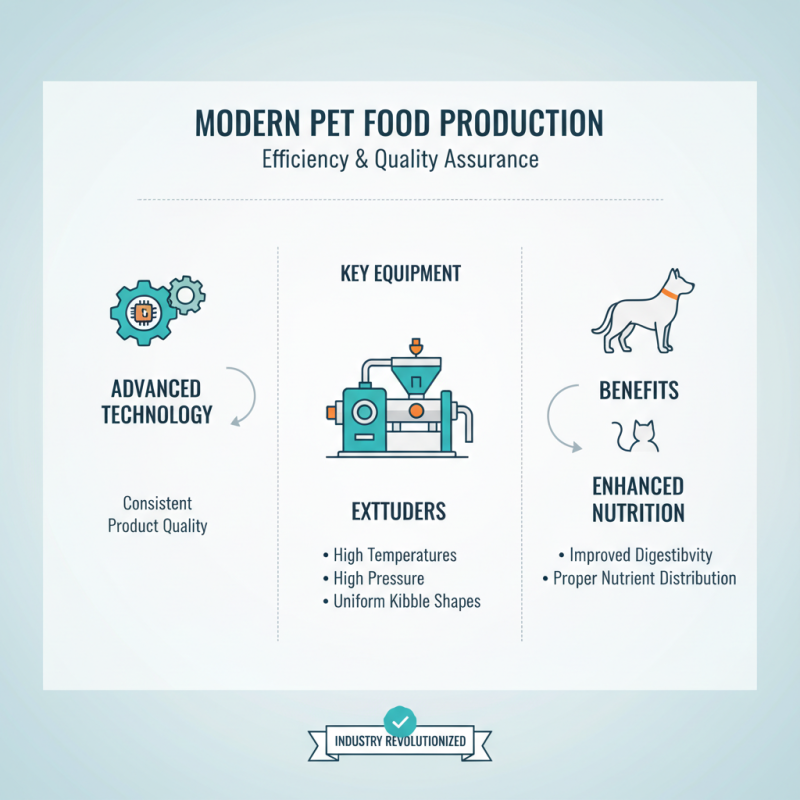
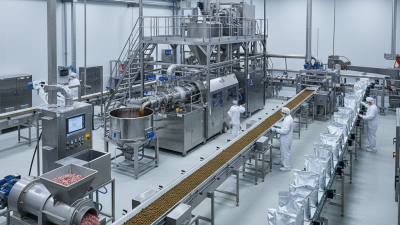
Modern pet food production equipment has revolutionized the industry, focusing on efficiency and quality assurance. The latest machines offer advanced technology that ensures consistent product quality. For instance, extruders utilize high temperatures and pressure to create uniform kibble shapes. This process not only enhances digestibility but also ensures proper nutrient distribution in the final product.
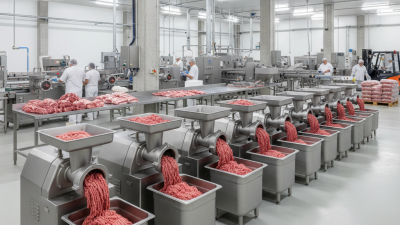
Additionally, automated mixing systems are crucial for achieving uniform blends of ingredients. They minimize human errors and maintain precise ratios. The inclusion of real-time monitoring systems helps in tracking ingredients' quality. To some extent, these machines still require human oversight to address unexpected issues. It is essential to strike a balance between automation and skilled labor for optimal results.
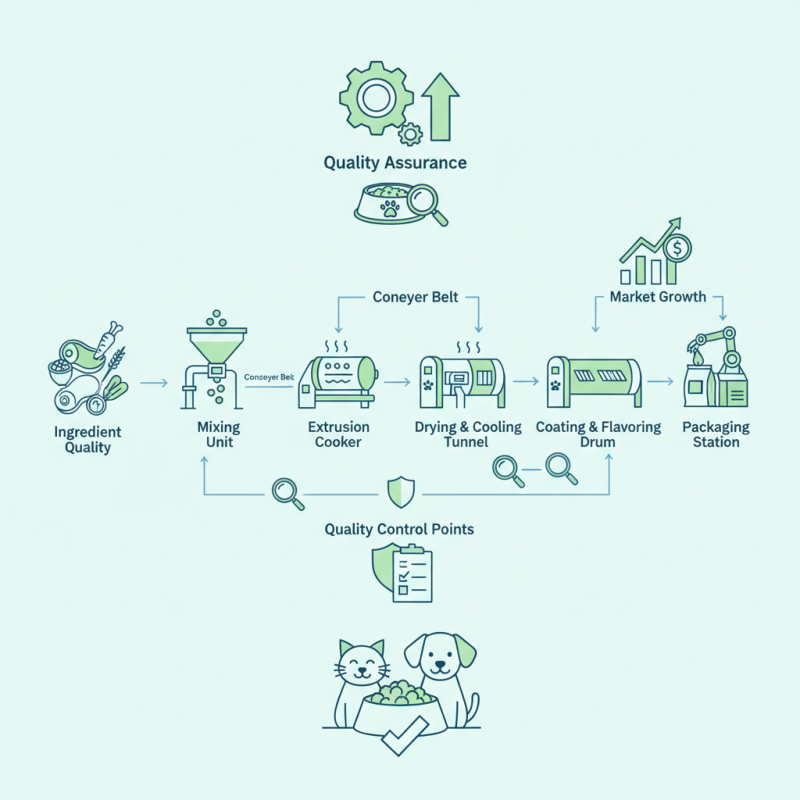
Quality assurance is vital at every production stage. Quality control measures, like metal detectors and optical sorters, help eliminate contaminants. However, even the best machines can't guarantee perfection. Regular maintenance is necessary to prevent breakdowns. This helps to maintain the highest standards in pet food safety and quality. Investing in modern machinery is crucial, but human expertise remains irreplaceable.
Quality Assurance Processes in Pet Food Manufacturing
Quality assurance in pet food manufacturing is crucial. It ensures that the products are safe for pets. Implementing strict processes is essential for maintaining quality. Regular testing during production helps identify any issues early on.
The use of specific machinery can enhance quality checks. Automated systems can quickly measure ingredient quality and consistency. However, human oversight remains important. Relying solely on machines can lead to oversights. Manufacturers must balance automation with skilled personnel.
Documentation of every step is vital. This includes tracking ingredient sourcing and production methods. Mistakes can happen, and learning from them is key. Continuous improvement processes should be in place. Emphasizing transparency also builds trust with consumers.
Impact of Technology on Pet Food Production Standards
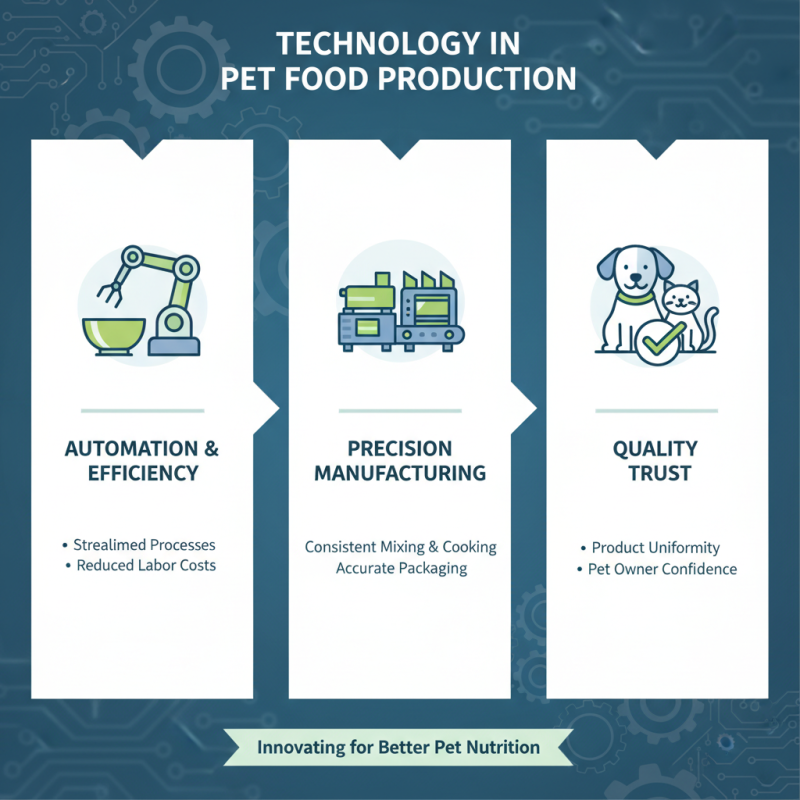
Technology plays a crucial role in modern pet food production. It enhances efficiency while maintaining quality. Automation tools now streamline processes, significantly reducing labor costs. Machines can mix, cook, and package with precision. This leads to consistent product quality, a primary concern for pet owners.
However, reliance on technology also presents challenges. Over-automation can lead to a lack of skilled workers. It may create a gap in quality control, as machines cannot adapt to unexpected issues. Moreover, the focus on efficiency risks overlooking the nutritional needs of pets. The balance between speed and quality remains delicate.
Quality assurance processes are increasingly reliant on technology. Advanced sensors measure moisture, protein, and fat content. Yet, data interpretation requires human insight. This means technology should assist rather than replace human oversight. The industry must reflect on how to integrate technology responsibly. Only then can it truly elevate pet food production standards.
Future Trends in Pet Food Machinery and Production Techniques
The pet food industry is evolving rapidly. Innovations in machinery are shaping production techniques. According to recent reports, the global pet food machinery market is projected to reach $4 billion by 2026, growing at a CAGR of 5.5%. This growth is driven by increasing pet ownership and a rising demand for premium food. However, the adoption of new technology can be daunting for small manufacturers.
Automated systems are becoming more common. These systems enhance efficiency by reducing human error. Advanced blending and mixing technologies ensure uniformity in product quality. In 2022, 60% of producers highlighted consistency as a major challenge. Yet, upgrading machinery requires significant investment, which not all small businesses can afford.
Sustainability is gaining traction as well. Many manufacturers are eyeing eco-friendly materials for production. A recent survey showed that 70% of pet owners prefer brands that prioritize sustainability. Yet, finding a balance between cost and quality remains a challenge. The shift to sustainable practices may demand innovative, yet cost-effective machinery. The future of pet food production does seem promising, but it still presents hurdles for many in the industry.
Top Pet Food Machinery for Efficient Production and Quality Assurance
| Machinery Type |
Production Capacity (kg/hr) |
Energy Efficiency (%) |
Technology Features |
Quality Assurance Methods |
| Extruders |
1000 |
85 |
High Temperature Short Time Processing |
Nutritional Analysis |
| Mixers |
500 |
92 |
Continuous and Batch Mix Technologies |
Microbiological Testing |
| Dryers |
800 |
78 |
Heat Recovery Systems |
Moisture Content Testing |
| Coating Machines |
600 |
80 |
Fluidized Bed Technology |
Sensory Evaluation |
| Packagers |
1200 |
90 |
Automation & Robotics |
Seal Integrity Testing |