Why Choose a Metal Detector Conveyor System for Your Business?
In today's manufacturing landscape, ensuring product safety and quality is crucial. A metal detector conveyor system integrates seamlessly into production lines. Reports indicate that up to 75% of food recalls stem from contamination issues. This underscores the importance of detecting metal contaminants early in the production process.
According to industry expert Dr. Helen Carter, “Investing in a metal detector conveyor system can save businesses time and resources in the long run.” Her insight reflects a growing recognition of the value of early detection. Companies that implement these systems often see significant reductions in contamination incidents.
However, not every business takes this step. Some underestimate the risks. Without proper detection systems, the potential for costly recalls and brand damage remains high. Balancing cost against safety is a continuous challenge. The choice for a metal detector conveyor system is a decision that demands careful consideration, with implications that stretch beyond immediate expenses.
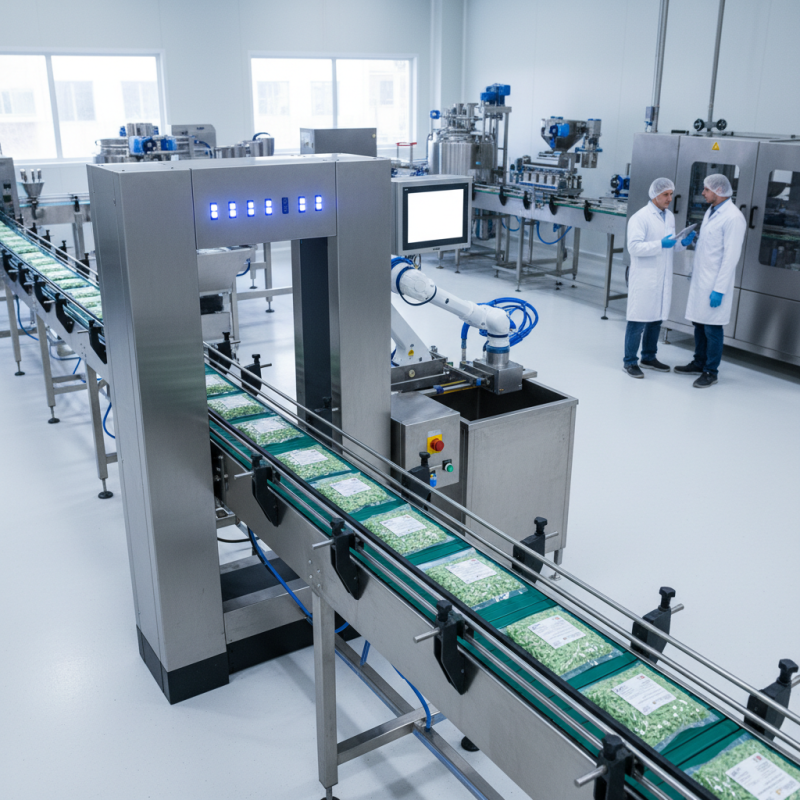
Benefits of Metal Detector Conveyor Systems in Industries
Metal detector conveyor systems offer vital benefits in various industries. They enhance product safety by detecting contaminants. This is crucial for food processing, packaging, and manufacturing. Contaminants can cause severe issues. However, the detection processes are not always perfect. Sometimes, small particles might slip through. Regular maintenance and calibration are essential.
In addition to safety, these systems improve operational efficiency. By integrating metal detectors into conveyor belts, businesses streamline workflows. Products pass through the detector automatically, eliminating delays. Yet, it’s important to monitor the system closely. Malfunctions can occur, impacting productivity. A responsive approach to maintenance can help mitigate these risks.
Cost savings are another benefit. By preventing contaminated products from reaching customers, companies avoid expensive recalls. However, the initial investment may be daunting for some. It's essential to weigh the long-term savings against upfront costs. Transparency in costs is necessary for informed decisions. Adopting metal detector conveyor systems represents a proactive step toward better quality assurance.
How Metal Detector Conveyor Systems Enhance Product Safety
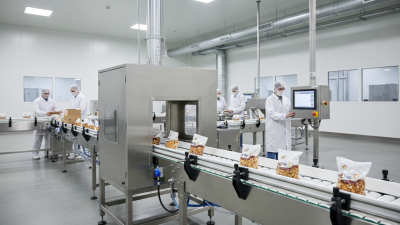
Metal detector conveyor systems play a vital role in ensuring product safety across various industries. These systems effectively detect foreign objects in food, pharmaceuticals, and other products. By preventing contaminated products from reaching consumers, businesses can protect their reputation. This technology not only enhances safety but also boosts compliance with industry regulations.
Consider the layout of your production line. A well-placed metal detector can maximize efficiency. Regular maintenance is crucial. Neglecting this can lead to false negatives or missed detections. This oversight might introduce risks that could have been avoided.
Training staff is equally important. Employees must understand how to operate these systems properly. Ensure that they know how to respond to alerts swiftly. Establish clear protocols for dealing with detected contaminants. This reduces the likelihood of human errors, which can compromise safety. Always review and refine these procedures, aiming for constant improvement.
Maintenance and Efficiency of Metal Detector Conveyor Systems
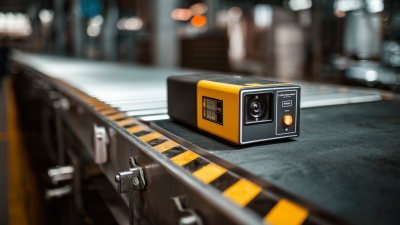
Metal detector conveyor systems play a crucial role in various industries, ensuring product safety. They are designed to detect metallic contaminants efficiently. One of the significant advantages is their low maintenance requirements. Regular checks are needed, but these systems are built for durability. This feature helps businesses cut down on unexpected downtimes.
While the initial setup may require a good investment, the long-term efficiency benefits are notable. These systems can operate continuously, reducing the need for manual inspections. However, businesses must remember that improper calibration can lead to false positives. This can disrupt production and waste resources. Regular training for staff is essential to mitigate these issues effectively.
Over time, components may wear out, necessitating occasional replacements. Keeping spare parts on hand can minimize delays. Ultimately, a well-maintained metal detector conveyor system enhances overall operational efficiency. It not only protects products but also builds consumer trust in a brand.
Why Choose a Metal Detector Conveyor System for Your Business? - Maintenance and Efficiency of Metal Detector Conveyor Systems
| Feature |
Description |
Benefits |
Maintenance Needs |
| Automated Detection |
Integrated with conveyor systems for real-time detection of metal contaminants. |
Increased product safety and compliance with quality standards. |
Routine calibration needed every 6 months. |
| Efficiency |
Continuously monitor products as they pass through the conveyor. |
Minimizes downtime and maximizes productivity. |
Weekly cleaning required for optimal performance. |
| User-Friendly Interface |
Simple controls for monitoring and adjusting settings. |
Ease of use leads to better operator training and efficiency. |
Monthly software updates recommended. |
| Customizable Options |
Configurable settings for various product types and sizes. |
Flexibility to adapt to changing product lines. |
Annual system review advised to ensure optimal settings. |
Comparative Analysis: Metal Detector Conveyor vs. Traditional Inspection Methods
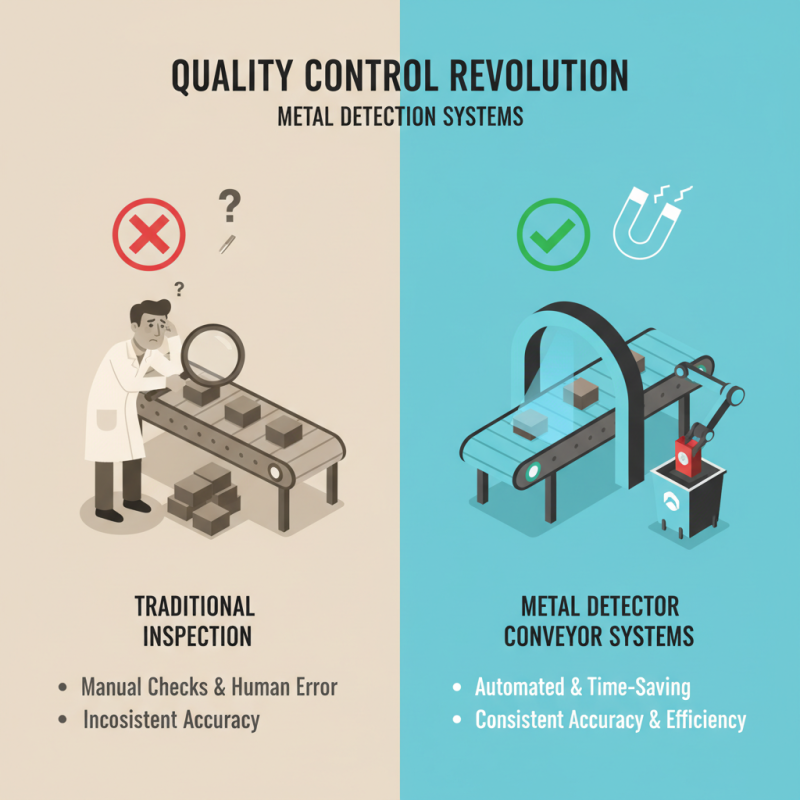
Metal detector conveyor systems offer significant advantages over traditional inspection methods. They automate the detection process, saving time. Traditional methods often rely on manual checks, which can lead to human error. With increased workloads, human inspectors may overlook critical contaminants. Metal detection systems provide consistent accuracy and efficiency, enhancing quality control.
Consider the detail-oriented nature of food production. Metal contaminants pose significant risks in these environments. A metal detector conveyor can detect even the smallest metal fragments, ensuring products are safe. Human inspectors may miss tiny particles due to fatigue or distractions. However, reliance on automated systems raises questions about occasional malfunctions. Maintenance and calibration are crucial for ongoing effectiveness.
While metal detector conveyors streamline operations, they are not entirely infallible. Businesses must strike a balance. Manual checks may still be necessary for products where detection reliability is questioned. Regular training on these systems is essential to avoid complacency among staff. In the end, investing in a metal detector conveyor system can enhance product safety, but it demands careful implementation and oversight.