What is a Gas Generator and How to Source at the 2026 Canton Fair?
The gas generator market has been growing rapidly in recent years. According to industry reports, the global market is projected to reach $8 billion by 2026. This rapid growth is driven by the increasing demand for reliable power sources across various sectors. Gas generators are crucial in industries such as construction, events, and emergency backup systems.
Attending the 2026 Canton Fair is a strategic opportunity for sourcing high-quality gas generators. The fair will feature advanced manufacturing, a key focus area for gas generator innovation. Using AI-powered search tools at the fair allows buyers to identify suppliers who meet specific standards, like ISO and CE certifications. This can save time and enhance the sourcing experience.
However, navigating such a vast exhibition space can be challenging. The introduction of smart navigation features will certainly help in efficiently locating suppliers. Yet, even with these advancements, the experience can be overwhelming. Buyers should be prepared, focusing on their specific needs to maximize their time effectively.
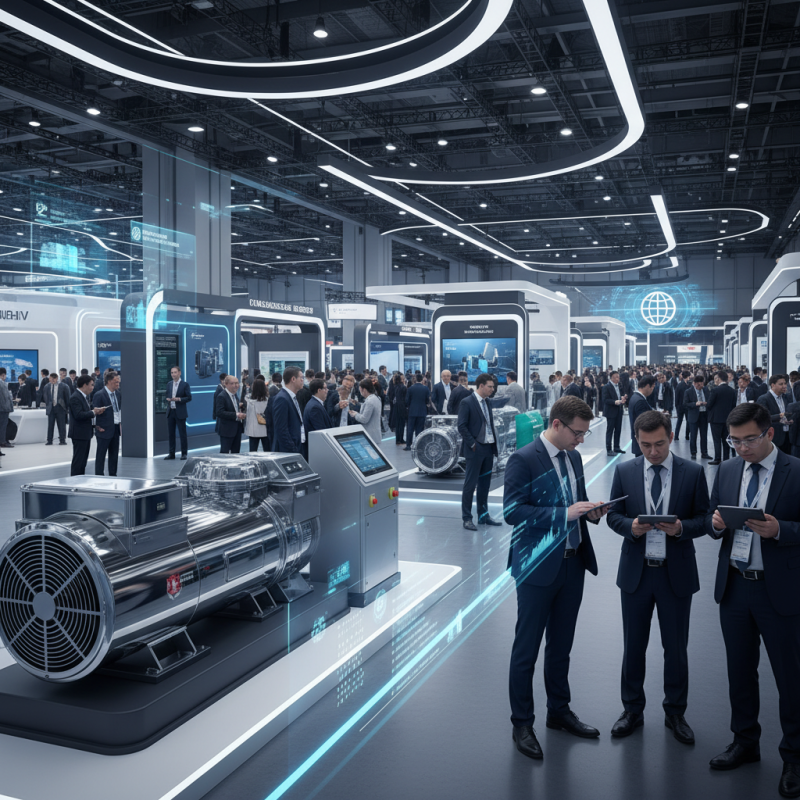
What is a Gas Generator? Understanding the Basics and Functionality
A gas generator is a machine that converts gas fuel into electrical energy. It plays a crucial role in providing power where traditional electricity sources are unavailable. Understanding how it works can help users maximize its functionality.
These generators usually rely on natural gas or propane. They combust fuel in a controlled manner, producing energy that drives an engine. This energy can then be used for various applications, from home power backup to remote site electricity. Choosing the right type is essential to match specific needs.
**Tips:** When purchasing a gas generator, consider the output power required. Measure your energy needs carefully. Look into fuel availability as it can significantly impact performance. Check local regulations related to gas usage; they can vary widely.
Understanding the components is also vital. Components like the engine, alternator, and cooling system are key for performance. Regular maintenance is essential to prevent breakdowns. The complexity of this technology can be daunting, and you might feel lost initially. Don’t hesitate to seek expert advice or user manuals for clarity.
Types of Gas Generators: A Comprehensive Overview
Gas generators are essential devices used for producing electricity. They come in various types, each serving different needs. The most common types include portable, standby, and inverter generators. Portable generators are handy for outdoor activities and emergencies. They are lightweight and easy to transport. Standby generators provide backup power during outages, automatically switching on when needed. Inverter generators, known for their quiet operation, are ideal for sensitive electronic devices.
When sourcing gas generators at the 2026 Canton Fair, it's crucial to understand the specifications of each type. Pay attention to power output and fuel efficiency. Look for models that meet your specific requirements. The fair will feature a wide selection, making it easier to compare options. However, not every model will suit every need. Assessing your actual usage scenarios can help determine the right choice.
While there are many exciting options, be aware of certain pitfalls. Sometimes, a generator may seem perfect on paper but may not perform well in real-world conditions. Reviews from previous users can reveal these discrepancies. Always test the products if possible. Engaging with suppliers directly can shed light on their manufacturing processes. This insight can lead to better purchasing decisions.
Key Components of Gas Generators and Their Roles
Gas generators are essential for various applications, from power generation to backup solutions. Understanding their components helps in sourcing quality products. Key components include the engine, alternator, fuel system, and control panel. Each plays a unique role in ensuring smooth operation.
The engine converts fuel into mechanical energy. It is crucial for efficiency. The alternator transforms this energy into electricity. Fuel systems are vital for efficient combustion. They ensure the optimal amount of fuel is delivered to the engine. Finally, the control panel monitors performance and facilitates user interaction.
Tips: When sourcing gas generators, check the specifications of each component. It’s essential to understand the efficiency ratings. Look for generators that offer at least 90% fuel efficiency based on industry standards. Examine the manufacturer's details too. Quality control can vary widely.
Inconsistencies often arise in parts compatibility. Not all components work well together. It’s important to verify details before making a purchase. Seek feedback from other users to gather real-world insights about performance. This can help in making informed decisions.
Sourcing Gas Generators: Tips for Meeting Suppliers at Canton Fair
Sourcing gas generators at the 2026 Canton Fair can be an exciting opportunity. When you meet suppliers, preparation is key. Arrive with a clear idea of your needs. Understand the specifications that matter to you. Think about the capacity, fuel type, and efficiency ratings. Make notes, and don't hesitate to ask questions.
During the fair, try to engage with various suppliers. Don’t settle for the first one. Compare prices, features, and warranty offers. It’s also smart to request samples. You can see and feel the quality firsthand. Be cautious about rushing decisions. It's easy to get overwhelmed by the options. Take your time to review everything.
Networking is another essential part of the sourcing process. Connect with other buyers. Share experiences and insights. Sometimes, their referrals may lead you to hidden gems. Be open to feedback about suppliers. Not every deal is perfect. Learning from mistakes can lead to better choices in the future.
Navigating the Canton Fair: Strategies for Successful Gas Generator Purchases
Navigating the Canton Fair requires careful planning. To successfully source a gas generator, start by researching vendors in advance. Make a list of essential features you want. This will help narrow your search. Engage in conversations with suppliers. Ask questions about their products diligently. Take notes on responses to compare later.
During the fair, observe the displays carefully. Understand the specifications and explore variations. It’s easy to feel overwhelmed by choices. Don’t rush; take your time. Consider visiting booths that catch your eye, even if they aren't on your list. Keep an open mind. Sometimes, the best deals arise from unexpected sources.
Negotiation is key. Approach discussions with a clear budget. Be prepared for counteroffers. It’s essential to listen carefully and reconsider your options. Sometimes, what seems perfect might not fit your actual needs. Gaining insights from other buyers can also provide valuable perspectives. Reflect on your priorities and maintain flexibility in your sourcing strategy.