How to Choose the Right Screw Conveyor Components for Your Needs?
Choosing the right screw conveyor components is crucial for efficient material handling. According to industry expert John Smith, "Selecting the right components is vital for ensuring optimal performance." His insight emphasizes the importance of matching components to specific applications.
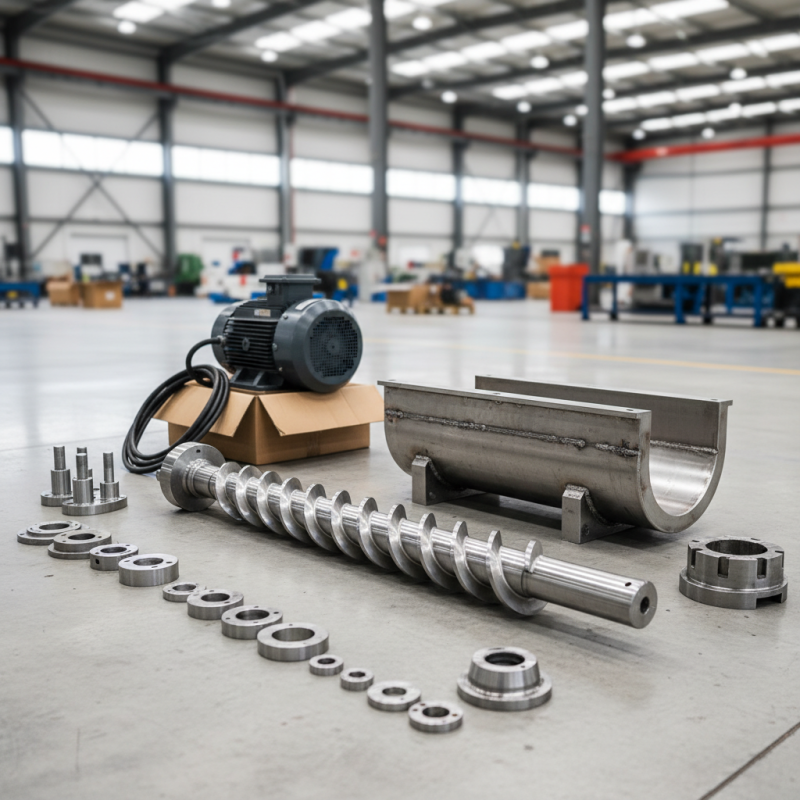
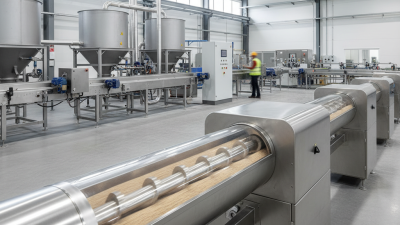
Screw conveyor components consist of various parts, including screws, troughs, and drives. Each piece plays a role in the overall system. For example, the screw design impacts material flow and consistency. Understanding these details is essential for making an informed decision.
However, many still overlook the nuances of their specific needs. While one component might work well in theory, it may underperform in practice. Careful consideration of operational requirements is necessary to prevent costly mistakes. Take the time to evaluate each component for your unique application.
Understanding the Basics of Screw Conveyor Components
When selecting screw conveyor components, understanding the basics is essential. The screw is the heart of the conveyor system. It moves materials in a controlled manner, making design choices critical. The pitch, diameter, and length of the screw must align with your material properties. For instance, heavy materials may require a wider screw to lower the risk of damage.
Tips: Always consider the material you are transporting. If it is abrasive, choose a screw with durable materials. This will extend the life of your system. Pay attention to the angle of elevation, as a steeper angle increases the energy required to move the material.
Another key component is the casing. It helps to minimize spillage and protects materials during transport. The casing material should match the industry standards for durability and corrosion resistance. Evaluate the environment where the conveyor will operate. Harsh conditions demand stronger materials.
Tips: Regular maintenance is crucial. Inspect wear points and replace components as needed. This proactive approach can prevent unexpected downtime. Being aware of how each component interacts within the system will enhance your operational efficiency.
Identifying Your Material Handling Requirements
Choosing the right components for a screw conveyor starts with understanding your material handling requirements. Factors like material type, flow characteristics, and environmental conditions significantly influence the selection process. According to the Conveyor Equipment Manufacturers Association (CEMA),
more than 70% of conveyor issues stem from improper component selection.
When assessing your needs, consider the material's bulk density, moisture content, and potential for fragmentation. These traits will determine the screw diameter and pitch. For instance, bulk densities between 30-60 pounds per cubic foot require different specifications than lighter materials.
Tip: Conduct a thorough analysis of your materials. Gather data on their physical properties. This can prevent costly mistakes.
You should also think about the environment. High temperatures or exposure to corrosive elements may necessitate special materials or coatings for your conveyor components. Underestimating these factors can lead to premature wear or failures.
Tip: Regularly review your conveyor system performance. Addressing small issues early can save time and reduce expenses later.
Inadequate assessment can lead to inefficiencies. Adjust your strategy as required, ensuring that the chosen components align with both your operational goals and material specifications.
Selecting the Appropriate Screw Type for Your Application
Selecting the appropriate screw type for your application is crucial for efficiency. The right screw conveyor can significantly impact productivity. For instance, choosing between a standard screw or a modified design can change material flow. A report by the Conveyor Equipment Manufacturers Association noted that proper screw selection could improve handling efficiency by up to 30%.
Screw diameter and pitch are key factors in making this choice. Larger diameters can carry more material but may also require more power. A study in the Journal of Material Handling highlighted that adjusting the pitch can affect the speed and efficiency of the conveyor system. For example, a shorter pitch promotes better mixing of materials; a longer pitch enhances transport capacity.
Considering the specific characteristics of the materials is essential. For instance, handling granular materials may need a different screw design than for powdery substances. Testing different setups can be beneficial. Insights from industry experts suggest that trials may uncover surprising results or improvements in flow consistency. Prioritizing these elements can lead to a solution that meets your unique operational demands.
Choosing the Right Screw Conveyor Components
Choosing the Right Drive Mechanism for Optimal Performance
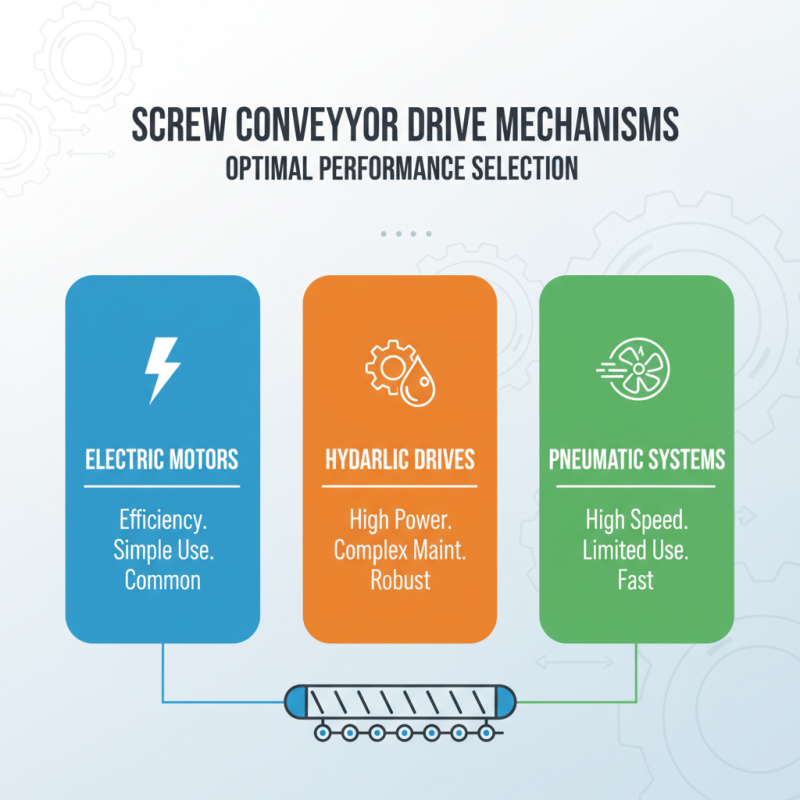
Choosing the right drive mechanism for your screw conveyor is crucial for achieving optimal performance. Various mechanisms exist, including electric motors, hydraulic drives, and pneumatic systems. Each option offers unique benefits and drawbacks. Electric motors are common due to their efficiency and ease of use. Hydraulics can provide more power but may require complex maintenance. Pneumatic systems offer high speed but can be limited in application.
Consider the specific requirements of your project. Analyze the material being transported and its flow characteristics. Heavier materials may need a more robust drive, while lighter materials can be moved with less power. If you are unsure, consult with an expert. They can guide you through the selection process, helping you avoid common pitfalls. Look for professionals with a strong track record in system design.
However, the ideal drive mechanism isn't just about power. It’s also about efficiency and reliability. Sometimes, features like noise reduction or energy consumption are overlooked. These can greatly impact operational costs. Take the time to assess your long-term needs. This can save you from making costly mistakes down the line. Reflect on past experiences and use them to inform your current choices.
Evaluating Additional Features for Enhanced Efficiency and Reliability
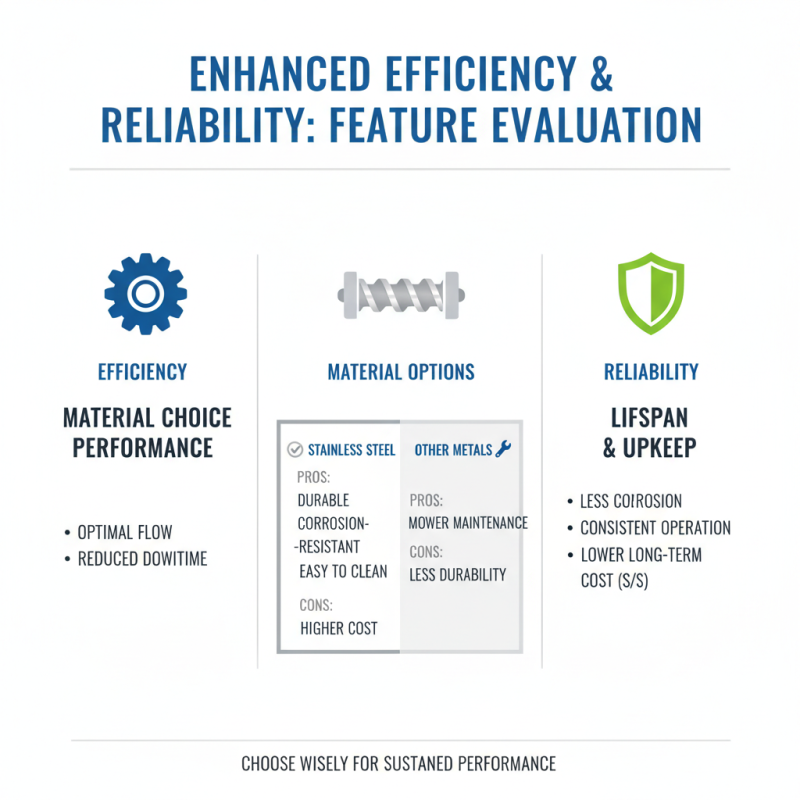
When evaluating additional features for screw conveyor components, efficiency should be a primary concern. Effective material handling often hinges on the type of construction material used. Stainless steel is a popular choice due to its durability, resistance to corrosion, and ease of cleaning. However, it can also be expensive. In some cases, less costly metals may suffice, but they may require more maintenance.
Another important feature is the design of the screw blade. A flighting design that maximizes material flow can significantly reduce operational costs. Alternatively, a simple design might struggle with certain materials. Consider the specifics of your operation, including flow rate and material characteristics. Each situation can present unique challenges that may require a more complex approach.
Additionally, features like adjustable pitch or variable speed drives enhance flexibility. These allow for optimization based on dynamic operational needs. On the flip side, they could increase the complexity and maintenance requirements of your system. Balancing simplicity and adaptability often requires thought and foresight. Identifying what truly adds value without overcomplicating your process remains crucial. Each component's role plays a significant part in the overall efficiency of your screw conveyor system.