How to Choose the Right Dog Food Manufacturing Equipment for Your Business
In the rapidly growing pet food industry, selecting the right dog food manufacturing equipment is a crucial decision that can significantly influence both product quality and business profitability. According to Dr. Emily Sanders, a leading expert in pet food technology, “The efficiency and precision of your manufacturing equipment dictate not only the quality of the final product but also the overall success of your operation.” This underscores the necessity for manufacturers to carefully evaluate their equipment options.
Choosing the most suitable dog food manufacturing equipment involves a comprehensive understanding of both the production processes and the specific dietary needs of dogs. As the market trends shift towards natural and organic ingredients, the equipment must not only accommodate these products but also ensure compliance with safety standards. Investing in the right machinery can enhance production efficiency and improve product consistency, ultimately resulting in a competitive edge in the market.
In this guide, we will delve into key factors to consider when selecting dog food manufacturing equipment, including production capacity, versatility, and ease of maintenance. By making informed choices, entrepreneurs can equip their businesses for success and meet the ever-evolving demands of pet owners.
Understanding Your Dog Food Production Needs
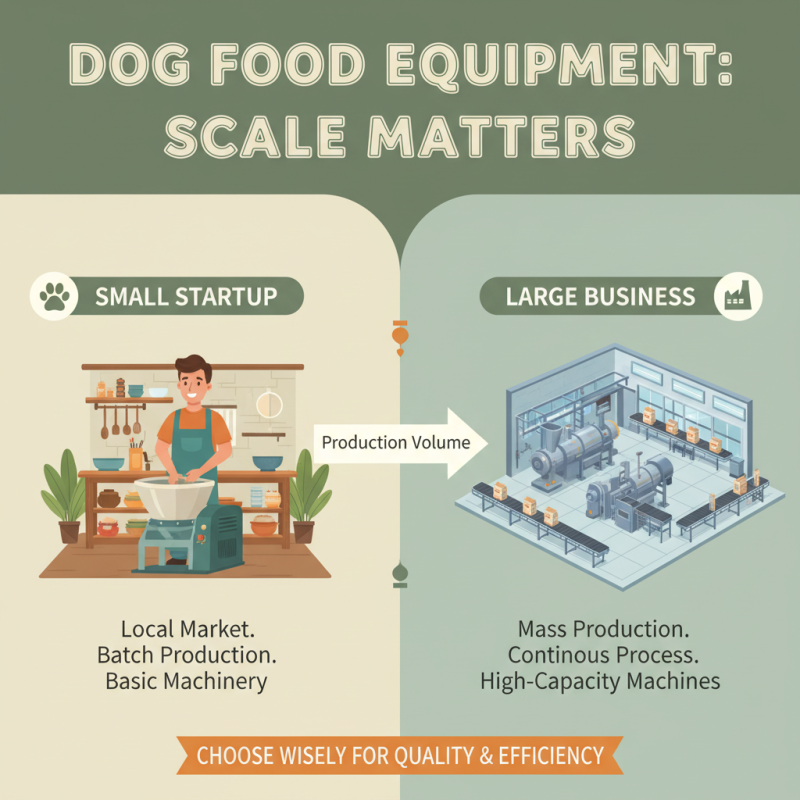
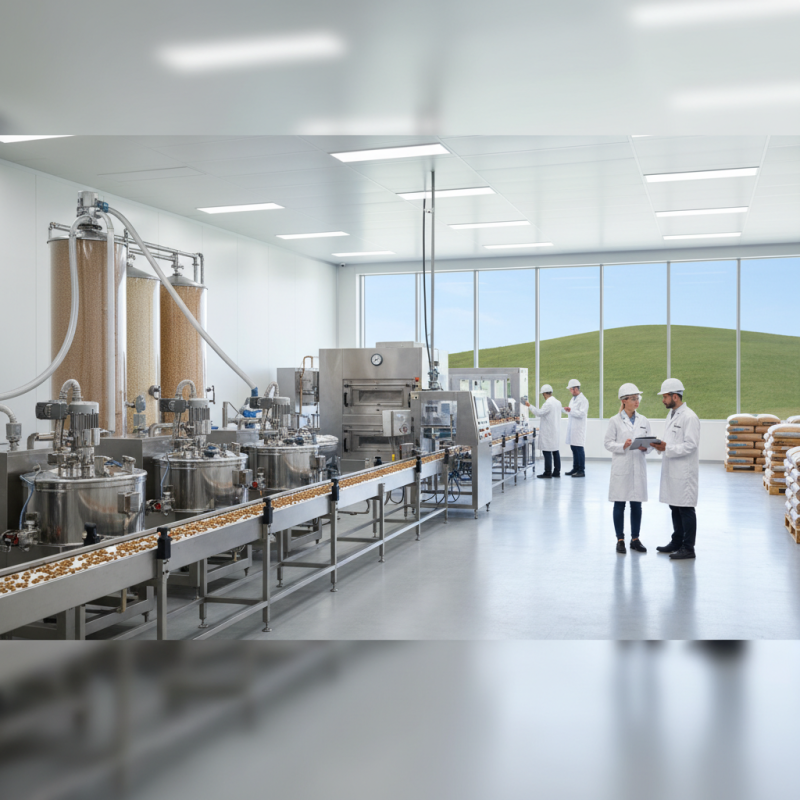
When starting a dog food manufacturing business, it’s crucial to understand your specific production needs before selecting equipment. First, consider the scale of your operations. Are you a small startup aiming for local markets, or are you looking to mass-produce for a larger audience? Your production volume will significantly influence the type of machinery you require. For smaller operations, more basic equipment that can handle batch production might be sufficient, while larger businesses may need high-capacity machines to ensure efficient processes and consistent quality.
Another important factor to consider is the types of dog food you intend to produce. Different formulations, such as dry kibble, wet food, or raw diets, each require specialized machinery. For instance, the extrusion process for dry kibble necessitates specific extruders and dryers, which differ from the mixers and canning equipment needed for wet food production. Additionally, think about the materials used in your recipes; certain ingredients may require specific handling or processing equipment to preserve their nutritional value and ensure safety. By thoroughly evaluating your production needs, you’ll be better equipped to choose the right manufacturing equipment that aligns with your business goals and production capabilities.
Evaluating Different Types of Dog Food Manufacturing Equipment
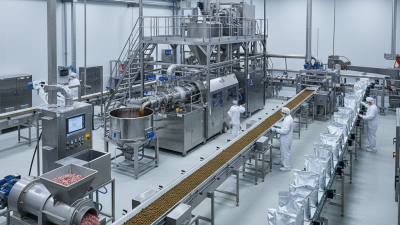
When evaluating different types of dog food manufacturing equipment, it is crucial to consider the specific needs of your production process. First, assess the scale of your operations. For small to medium-sized businesses, batch processing equipment may be adequate, allowing for flexibility in recipe adjustments and smaller production runs. However, larger manufacturers might benefit from continuous production lines that enhance efficiency and output. Each type of equipment comes with varying capabilities, so understanding your production goals is essential for making an informed choice.
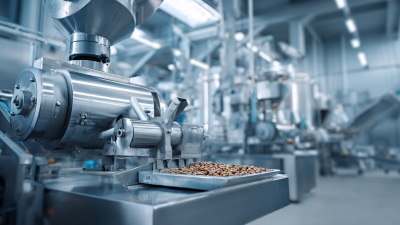
Next, consider the nuances of the dog food you plan to produce. Equipment designed for dry kibble production differs significantly from that intended for wet or semi-moist foods. Processes such as mixing, extrusion, and drying require specialized machinery, each serving a unique role in the overall manufacturing process. Additionally, contemplating factors such as ease of maintenance and integration with other machinery can help streamline operations and reduce downtime. By carefully evaluating these aspects, you can select the most suitable equipment that caters to your business's specific requirements.
Key Features to Look for in Dog Food Machinery
When selecting dog food manufacturing equipment, certain key features should be prioritized to ensure efficiency and quality in production. First and foremost, the capacity of the machinery is crucial. Depending on the scale of your business, you will need equipment that can handle your expected output while maintaining consistency in product quality. High-capacity machines often come with advanced automation features, allowing for streamlined production processes and reduced labor costs.
Another important aspect to consider is the versatility of the machinery. Look for equipment that can handle various formulations and types of dog food, including dry kibble, wet food, and treats. This flexibility not only enhances your ability to meet diverse customer needs but also ensures that you can adapt to changing market trends. Ease of maintenance is also critical; choose equipment with accessible components for cleaning and servicing, which minimizes downtime and maximizes productivity.
Finally, consider the technology integration capabilities of the machinery. Modern dog food production often requires advanced monitoring and control systems to ensure precise ingredient ratios and adherence to quality standards. Equipment that supports real-time data analysis can significantly improve your production efficiency and product consistency, ultimately contributing to a successful dog food business.
Budgeting for Dog Food Manufacturing Equipment Purchase
When budgeting for dog food manufacturing equipment, it's essential to start with a clear understanding of your production needs and scale. According to recent industry reports, the global pet food market is projected to grow at a CAGR of 4.5% from 2021 to 2026, reaching $102 billion by 2026. This growth reflects the increasing demand for high-quality pet food, making it imperative for manufacturers to invest in reliable and efficient equipment. A well-planned budget should account for not only the initial purchase price but also the installation, maintenance, and potential upgrades of the equipment, which can significantly impact long-term operational costs.
Furthermore, conducting a thorough cost analysis can help businesses avoid unforeseen expenses. For instance, budget estimations should include the costs associated with raw material handling, processing, and packaging equipment. Recent data from the American Pet Products Association suggests that 20% of pet food manufacturers reported experiencing unexpected production delays due to equipment failure, underlining the importance of selecting robust machinery that meets both current and future production demands. By prioritizing quality and investing wisely in manufacturing equipment, businesses can enhance their operational efficiency and better serve the growing market of discerning pet owners.
Dog Food Manufacturing Equipment Budgeting
Choosing a Supplier for Dog Food Production Equipment
When selecting a supplier for dog food production equipment, it's essential to prioritize your business needs and ensure the supplier can meet your production requirements. Look for companies with proven track records in the industry, as their experience will help guarantee quality and reliability. A knowledgeable supplier should also be able to provide tailored solutions that align with your specific production processes and capacity.
**Tips:** Before making a decision, consider requesting case studies or references from the supplier's previous clients. This will give you insight into their capabilities and customer service. Additionally, visiting their manufacturing facility or participating in a demo can help you assess the quality of their equipment firsthand.
Another critical factor is after-sales support. The ideal supplier should offer comprehensive maintenance services and readily available technical support. This ensures that any issues that arise during production can be swiftly addressed, minimizing downtime and keeping your operations smooth.
**Tips:** Always inquire about warranty options and the availability of spare parts. A reliable supplier should commit to providing long-term support. It's also beneficial to engage with online communities or forums to gather feedback on suppliers from other dog food manufacturers, which can lead to more informed choices.
How to Choose the Right Dog Food Manufacturing Equipment for Your Business - Choosing a Supplier for Dog Food Production Equipment
| Equipment Type |
Function |
Typical Capacity (kg/hr) |
Energy Requirement (kW) |
Price Range (USD) |
| Mixing Machine |
Blend dry ingredients |
500 |
5 |
$3,000 - $7,000 |
| Extruder |
Shape and cook pet food |
1000 |
50 |
$20,000 - $50,000 |
| Drying Oven |
Remove moisture from food |
800 |
15 |
$10,000 - $25,000 |
| Packaging Machine |
Seal and package finished products |
200 |
3 |
$5,000 - $15,000 |
| Cooling Machine |
Cool down hot extruded food |
600 |
10 |
$8,000 - $20,000 |