How to Choose the Best Industrial Bone Grinder for Your Needs?
Choosing the right industrial bone grinder is crucial for efficiency and product quality. The global bone grinder market is projected to grow at a CAGR of 4.6% through 2025, reflecting increasing demand in various sectors. These grinders are pivotal for the meat and pet food industries, facilitating the processing of by-products effectively.
When selecting an industrial bone grinder, various factors come into play. Consider the grinder's capacity, size, and motor power. Additionally, the quality of construction can significantly affect durability. Reports indicate that machines built with stainless steel enhance longevity and minimize contamination risks. However, not all models are designed for the same types of bones or volumes.
Reflecting on industry needs, many users encounter challenges regarding maintenance and repair. Improper usage often leads to inefficiencies or breakdowns. It's vital to clarify these aspects to avoid investing in a machine unsuitable for your operations. The ideal choice will meet specific needs while emphasizing reliability and ease of use.
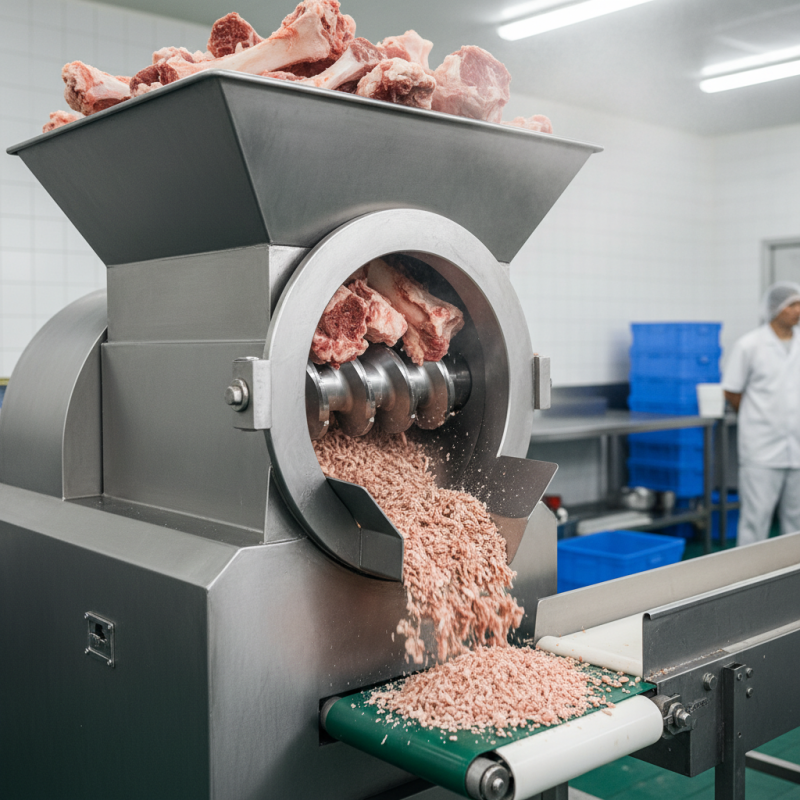
Understanding the Role of Industrial Bone Grinders in Food Processing
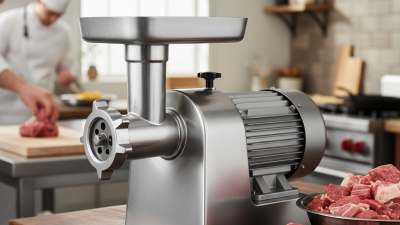
Industrial bone grinders play an essential role in food processing. They efficiently break down bones into a fine texture, making it easier to incorporate in various dishes. This process is vital for pet food production and other meat products. A good grinder can enhance flavors and ensure food safety.
When choosing a bone grinder, consider your production needs. The size of the operation matters. Small businesses may require a compact grinder, while larger operations need something robust. Evaluate the volume of bones you process daily. A mismatch can lead to inefficiency.
Tips: Always prioritize materials. Stainless steel is durable and easy to clean. Regular maintenance is crucial too. Neglecting upkeep can lead to problems. Additionally, think about safety features. A grinder without safety measures can pose risks in a busy kitchen.
Key Specifications to Consider When Selecting a Bone Grinder
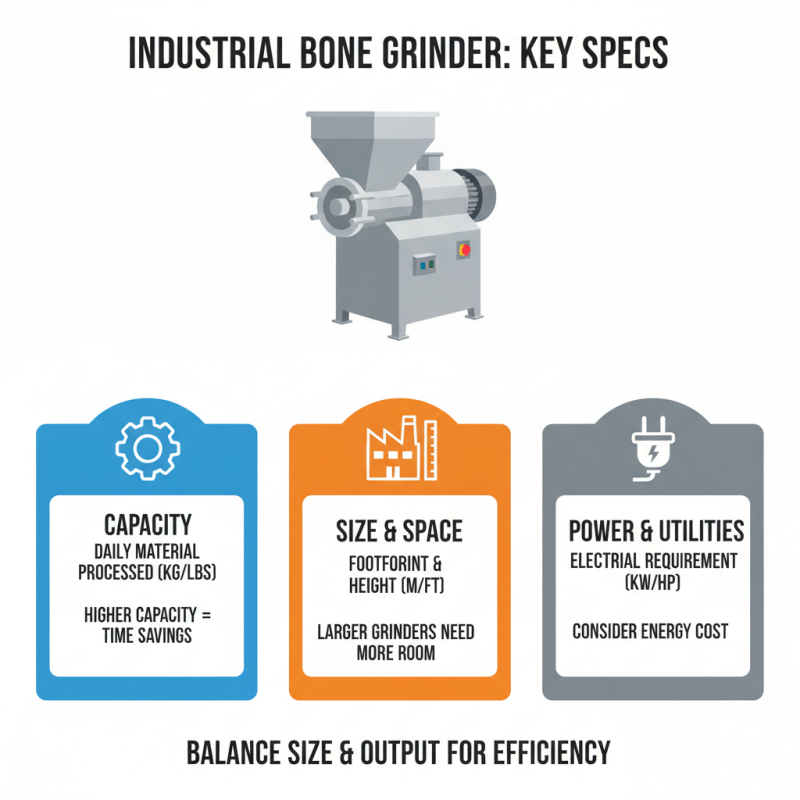
When selecting an industrial bone grinder, key specifications play a vital role. Capacity is crucial. Determine how much material you will process daily. A grinder with higher capacity saves time. Yet, larger grinders may require more space and power. Balance between size and output is essential.
Consider the motor power next. A powerful motor efficiently processes bones. Look for something that can handle tough materials without jamming. Inconsistent performance can slow down operations. But higher power might come at a cost. Ensure it's energy-efficient.
Lastly, ease of cleaning is often overlooked. Bones can leave residue, leading to hygiene issues. Opt for designs that are easy to disassemble and clean. If maintenance is tough, it can lead to delays. Reflect on how often you consider these aspects. Choosing wisely impacts not only productivity but also safety in the long run.
Evaluating Grinding Capacity and Efficiency for Your Production Needs
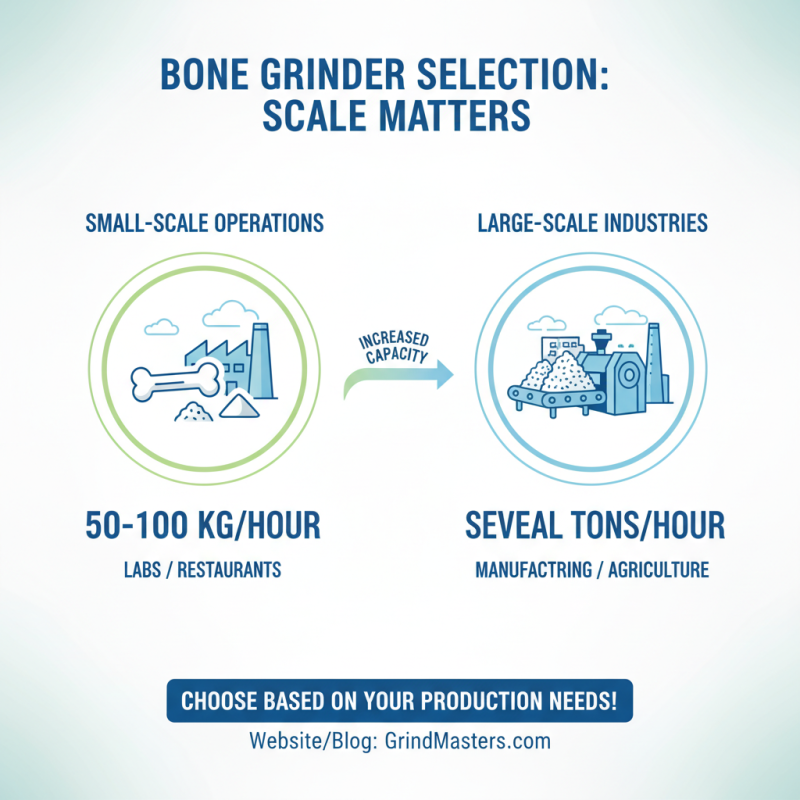
When evaluating grinding capacity and efficiency, consider your production scale. A bone grinder's capacity determines how much material it can process in a given timeframe. For small-scale operations, a grinder that handles 50-100 kg per hour might suffice. Larger industries, however, often require machines that can process several tons in the same period. Understanding your needs is crucial.
Efficiency goes beyond just speed. It involves how well the grinder converts raw material into the final product. Look for features that enhance efficiency, such as adjustable grinding settings. A machine that’s too powerful might waste energy or produce excess heat. This can affect product quality and increase costs.
Lastly, don’t underestimate maintenance. A grinder that requires frequent repairs can disrupt production. Analyze the maintenance schedule and parts availability. Sometimes, a lower-capacity machine with high efficiency could be a better choice than a larger, more powerful model. Balancing these factors is essential for making the right decision.
Comparing Material Durability and Maintenance Requirements in Bone Grinders
When selecting an industrial bone grinder, durability is crucial. The material used affects both lifespan and maintenance needs.
Stainless steel is popular for its resistance to corrosion. It withstands the harsh conditions of grinding bones. However, it's not always the best choice for every application. Some grinders may use other alloys that are lighter yet still strong. Understanding your specific needs is vital.
Maintenance can be a daunting task. Regular cleaning prevents bacterial growth and buildup. Grinders with fewer parts are easier to maintain. Lubrication is another crucial aspect.
Over time, wear and tear can lead to decreased efficiency. Ignoring these signs may result in costly repairs. Take the time to inspect grinder components regularly.
You may find that some parts require replacement sooner than expected.
Consider your grinding volume as well. High production requires robust machines. But this might lead to more extensive wear. Balancing durability with efficiency is key.
Examine how often you will use the grinder. This assessment can guide you in choosing the right materials. Don't overlook these practical details when making your decision.
The right choice makes a significant difference.
Analyzing Cost-Effectiveness: Investing in Quality vs. Budget Options
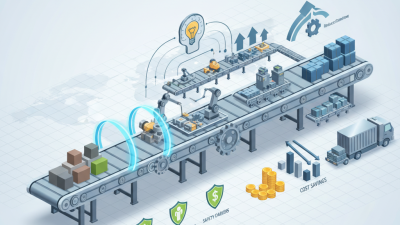
When considering an industrial bone grinder, cost-effectiveness is critical. A higher-priced option might offer superior materials and durability. You may save money upfront with cheaper grinders, but they can lead to higher maintenance costs over time. It's essential to weigh the long-term benefits against initial expenses.
Tips: Research the lifetime costs of different products. Look for user reviews and testimonials. A good grinder should efficiently handle various materials without frequent repairs.
Quality should not be overlooked. Machines made from robust materials usually last longer. A cheap grinder may struggle under heavy use, leading to frustrating downtime. Reflect on your operations and production needs. A smart investment in a quality grinder pays off in efficiency and reliability.
Tips: Calculate your production needs to determine the right size and power. Compare features like ease of cleaning and maintenance. Make sure you understand the warranty and support options before purchase.
Cost-Effectiveness Analysis of Industrial Bone Grinders