7 Best Golden Breadcrumbs for Global Buyers?
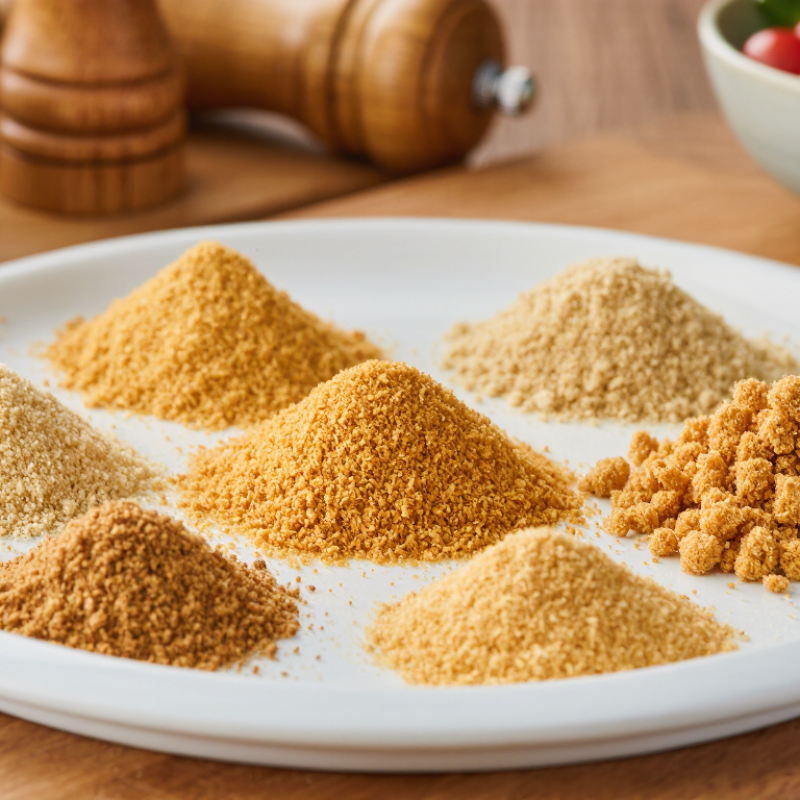
Golden Breadcrumbs can look similar in a product photo, yet perform differently in a commercial kitchen. Their color, particle size, moisture level, and coating consistency affect appearance and crunch. A pale, fine crumb may suit a delicate fish fillet, while a coarser golden crumb can create a more visible crust on vegetables or poultry. Small details matter.
For global buyers, choosing among seven promising options means looking beyond the shade of gold. Check ingredient lists, allergen statements, available pack sizes, shelf-life information, and storage instructions. Ask suppliers for product specifications and samples, then test the crumbs using your actual recipe and cooking method. A coating that works well after deep-frying may behave differently in an oven.
There is no single best choice for every market. Import requirements, shipping distance, local preferences, and production schedules can all influence the right product. Compare samples under consistent conditions. Note the coating’s color after cooking, how firmly it adheres, and whether the crunch lasts during service. Not perfect science, perhaps—but more useful than judging by a catalog image alone. This guide introduces seven Golden Breadcrumbs options and the practical questions buyers can ask before requesting a quotation or placing an order.
Define “Best” by Color, Crumb Size, Texture, and Baking Performance
For global buyers, “best” golden breadcrumbs are not simply the brightest ones. Color should suit the finished food: pale gold can look natural on baked fish, while a deeper shade may stand out on casseroles. Compare samples beside the actual product under neutral lighting. Color matters. A warm sample can look dull under yellow warehouse lights, so visual checks alone are not enough.
Crumb size changes both appearance and coverage. Fine crumbs form an even coating on small pieces, while coarse crumbs create a more visible, crisp surface. Ask suppliers for a sieve-size range, not just a general description. Small details count. Then check texture by coating the same food portion with each sample; uneven clumps or excessive dust can affect consistency during production.
Baking performance deserves a practical test. Bake coated samples at the intended time and temperature, then inspect browning, adhesion, and crunch after cooling. Record the results, including the crumbs’ color before and after baking. Moisture, oil, and oven differences can shift the outcome, so one trial is not definitive. I would avoid ranking a sample from appearance alone; that shortcut is tempting, and sometimes wrong. A simple repeat test with a fresh batch can reveal whether the result is reliable.
Compare 7 Styles: Panko, Fine, Seasoned, Whole-Wheat, and Gluten-Free
Golden breadcrumbs differ in more than color. Panko has broad, airy flakes that create a crisp coating on fried vegetables or seafood. Fine crumbs form a close, even layer and work well in meatballs or baked toppings. Coarse crumbs add visible crunch, but may brown unevenly on delicate foods. Texture matters.
Seasoned breadcrumbs save preparation time, especially for kitchens needing a consistent savory profile. Check the ingredient list and sodium level; seasoning strength can vary considerably. Whole-wheat crumbs bring a nuttier flavor and darker flecks, though their denser texture may absorb more moisture. Gluten-free versions can be made from rice, corn, or other grains. Their crispness and flavor differ, so a small cooking test is useful. Not always a direct swap.
A seventh option is pre-toasted golden crumbs, which can add color quickly to casseroles, pasta, and roasted vegetables. They may darken faster during further cooking, so watch the oven rather than relying only on timing. For global purchasing, compare particle size, moisture, ingredient declarations, and packaging that protects crumbs from humidity. Ask for a sample and test it in the intended recipe. I would not judge quality by color alone; lighting and toasting levels can make similar crumbs look quite different. Small details matter.
Check Wheat Risks: FDA Lists 9 Major Food Allergens, Including Wheat
Golden breadcrumbs look simple, but their flour base can create a serious wheat-allergen concern for buyers. The FDA recognizes nine major food allergens: milk, eggs, fish, crustacean shellfish, tree nuts, peanuts, wheat, soybeans, and sesame. For packaged foods sold in the United States, allergen sources must be disclosed in the ingredient list or a “Contains” statement. Wheat is one of the nine; gluten itself is not on that list. That distinction matters when product sheets use “gluten” loosely. Small detail.
A golden color says nothing about allergen controls. Breadcrumbs may contain wheat flour directly, while seasoning blends or shared equipment can introduce other allergen risks. Ask suppliers for a current ingredient specification, an allergen statement, and details about cross-contact controls and cleaning verification. I would not rely on an old label photo; formulations and production sites can change. For shipments beyond the United States, check the destination market’s labeling rules, since FDA requirements are not universal. Even experienced teams can miss a quiet change. The paperwork deserves a second look.
Review EU Labels: Regulation 1169/2011 Lists 14 Allergens
For global buyers comparing golden breadcrumbs, color and crunch are only part of the review. EU Regulation 1169/2011 identifies 14 allergen categories that require clear attention in food information. Wheat and other gluten-containing cereals are common in breadcrumbs. Recipes may also include milk, egg, soy, mustard, or sesame. Check the ingredient list on the actual pack, not just a product sheet. Look for allergens highlighted in bold or another clear style. Small print matters.
A practical check starts with the full label, including any seasoning blend. Then compare it with the supplier specification and confirm that both refer to the same recipe and batch. Ask about shared equipment if your buyers need cross-contact details. That question can feel awkward. Ask anyway. Allergen statements do not replace careful handling, and a “may contain” warning should not be treated as a complete risk assessment. Labels and production practices can change. I would recheck them before each order, especially when switching suppliers or buying a seasoned crumb. A golden coating can look identical while its ingredients differ.
Screen Suppliers Against Codex CXS 1-1985 and Batch-Level Quality Data
Golden breadcrumbs vary in shade, crunch, and particle size, even when two samples look similar. For global sourcing, ask suppliers to document what each lot contains and how it is labeled. Codex CXS 1-1985 covers general labeling requirements for prepackaged foods; it does not set a breadcrumb color or texture grade. Treat it as a labeling reference, then check the destination market’s applicable requirements.
Request batch-level records, not just a polished product sheet. Useful data include moisture, particle-size distribution, color readings, production date, lot code, and test methods. Ask how samples are taken and whether results represent the shipped batch. A clear certificate of analysis helps, but vague terms like “golden” or “uniform” do not replace measured values. Small differences matter.
Compare trial lots against agreed specifications. Check whether the crumbs stay crisp after storage and coat food evenly in a kitchen test. Review ingredient and allergen declarations against the packaging and shipping documents. Keep a retained sample where practical. Data can be awkward. A supplier may not measure every feature consistently; note that gap, agree on a method, and verify it on later batches.
7 Golden Breadcrumb Supplier Checks: Codex Labeling & Batch Data
Buyer-side label completeness targets based on Codex CXS 1-1985—not supplier performance scores.
Check the food name, ingredient list, net contents, responsible business details, lot identification, and applicable date information. Allergen declarations, country-of-origin statements, storage directions, and instructions for use apply as specified by the standard. CXS 1-1985 is a labeling standard, not a breadcrumb quality specification; request batch-level test results separately for measures such as moisture, particle size, color, and microbiological criteria.