What Are the Benefits of Using Steel Conveyor Belts?
Steel conveyor belts are essential in various industries. They offer numerous advantages over traditional materials. Their strength and durability make them ideal for heavy loads. Steel conveyor belts can withstand harsh conditions and high temperatures. This makes them a reliable choice for many applications.
One significant benefit is their longevity. They resist wear and tear better than fabric belts. This results in lower replacement costs over time. Additionally, steel conveyor belts provide excellent grip. They ensure safer material handling, reducing the risk of spills and accidents. This is a critical factor in maintaining workplace safety.
However, using steel conveyor belts does come with challenges. The initial investment can be higher compared to other types. Regular maintenance is necessary to keep them operating efficiently. Overall, the benefits often outweigh these drawbacks. Understanding the practical aspects of steel conveyor belts is vital for businesses aiming to enhance productivity.
Benefits of Steel Conveyor Belts for Industrial Applications
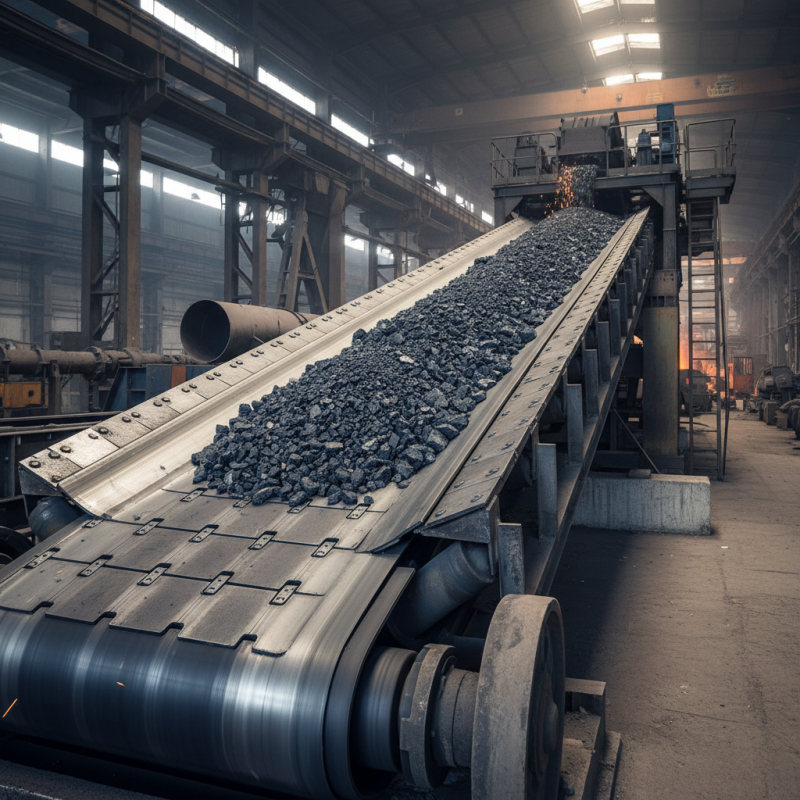
Steel conveyor belts are essential in various industrial applications. Their robust design ensures durability and high performance. These belts can handle heavy loads and are resistant to wear. This reliability makes them ideal for industries like mining, manufacturing, and logistics.
Using steel conveyor belts provides several advantages. They are more stable than plastic or fabric belts. This stability helps when carrying loads across long distances. The steel material offers superior strength, which minimizes the risk of belt failure. Additionally, steel belts can endure extreme temperatures and harsh conditions. Their longevity reduces the need for frequent replacements, saving costs over time.
Tip: Regular maintenance checks are crucial for maximizing lifespan. Inspect belts for signs of wear and tear.
Another benefit lies in their hygienic properties. Steel conveyor belts are easy to clean. This characteristic makes them suitable for food processing and pharmaceutical applications. They resist contamination, ensuring compliance with health regulations. However, users need to consider the initial investment. The upfront cost is often higher than alternatives. Over time, the benefits outweigh this initial expense.
Tip: Evaluate your specific needs before choosing a belt. Tailor your selection to fit the industry requirements.
Durability and Longevity of Steel Conveyor Belts
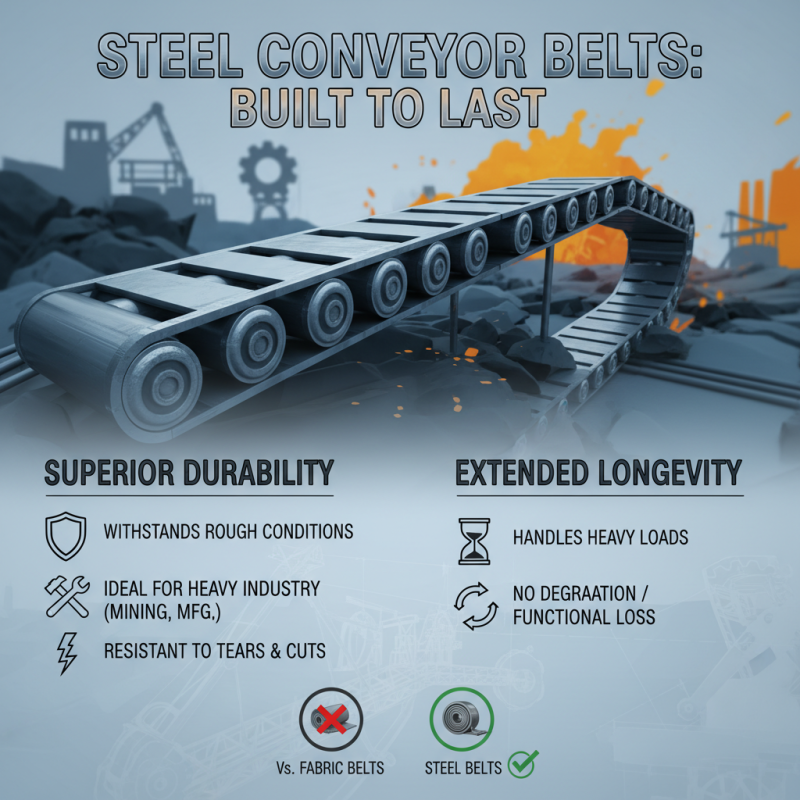
Steel conveyor belts are known for their durability and longevity. They withstand rough conditions that can wear out other types of belts. This toughness makes them ideal for heavy industries, such as mining and manufacturing. Unlike fabric belts, steel belts resist tears and cuts. They can handle heavy loads without degrading or losing functionality.
In harsh environments, steel conveyor belts thrive. Extreme temperatures, chemicals, and moisture do not easily damage them. Maintenance costs remain low due to their resistance to wear. Over time, they require less frequent replacement. However, purchasing steel conveyor belts can be a significant upfront investment. Businesses must weigh the initial costs against long-term benefits.
Potential issues include their weight. Steel belts can be heavier than alternatives, affecting installation and alignment. Companies should consider their specific needs before choosing steel. Despite these drawbacks, the long-lasting nature of steel conveyor belts often outweighs initial challenges. Users should reflect on how these belts can integrate into their operations for maximum efficiency.
Cost-Effectiveness of Steel Conveyor Belts Over Time
Steel conveyor belts offer considerable cost-effectiveness over time. Their durability leads to reduced maintenance needs. Unlike rubber belts, steel can withstand harsh environments. This means fewer replacements are necessary. Lower operational costs result from fewer disruptions.
Additionally, their resistance to wear minimizes breakdowns in production. With steel belts, companies save on labor and replacement parts. These factors lead to significant savings in the long run. However, the initial investment can be higher. Businesses must consider their long-term needs and usage patterns.
The longevity of steel belts is a double-edged sword. While they last longer, they may require a steep upfront cost. This creates a challenge for smaller businesses. Yet, their efficiency often compensates for this initial expense. Balancing upfront costs and long-term gains remains essential for effective decision-making.
Versatility of Steel Conveyor Belts in Various Industries
Steel conveyor belts are known for their versatility across various industries. In manufacturing, they transport heavy materials with ease. These belts withstand extreme conditions, such as high temperatures and abrasive materials. This durability makes them an ideal choice for heavy-duty applications.
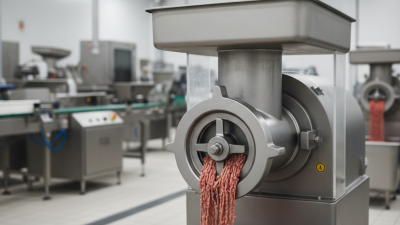
In food processing, steel conveyor belts are often preferred for their hygienic properties. They are easy to clean and maintain, helping to meet strict health regulations. Many food industries rely on them for moving products through various stages of production. However, some users note potential corrosion issues if not properly maintained. Regular inspections and upkeep are essential.
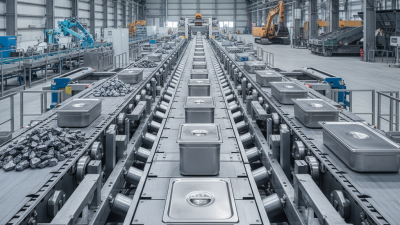
In the mining sector, steel conveyor belts handle rocks and minerals efficiently. Their strength allows them to operate in challenging environments. Yet, improper alignment can lead to wear and tear. Users need to be vigilant about monitoring their performance. Such proactive measures can ensure longevity and reduce downtime. The adaptability of steel conveyor belts across these sectors highlights their critical role in enhancing operational efficiency.
Enhanced Safety Features of Steel Conveyor Belts
Steel conveyor belts are known for their durability and effectiveness. One notable advantage is their enhanced safety features. The robust structure of steel belts reduces the risk of unexpected failures during operation. A sudden collapse can lead to serious accidents. Therefore, using steel enhances overall workplace safety.
Moreover, steel conveyor belts often include safety guards and emergency stop mechanisms. These features are critical in preventing accidents. Workers can operate these systems with greater confidence. In addition, the non-slip surface of steel belts minimizes the risk of material slippage. This attribute significantly reduces potential injuries in environments with heavy loads.
However, the implementation of steel conveyor belts also requires careful planning. Operators must ensure proper installation and regular maintenance. Neglected equipment may overlook important safety features. Staff training is also crucial to maximize benefits. Expect challenges when integrating new systems. Addressing these concerns can lead to a safer working environment.