Top Benefits of Stainless Steel Conveyor Belt for Industrial Applications
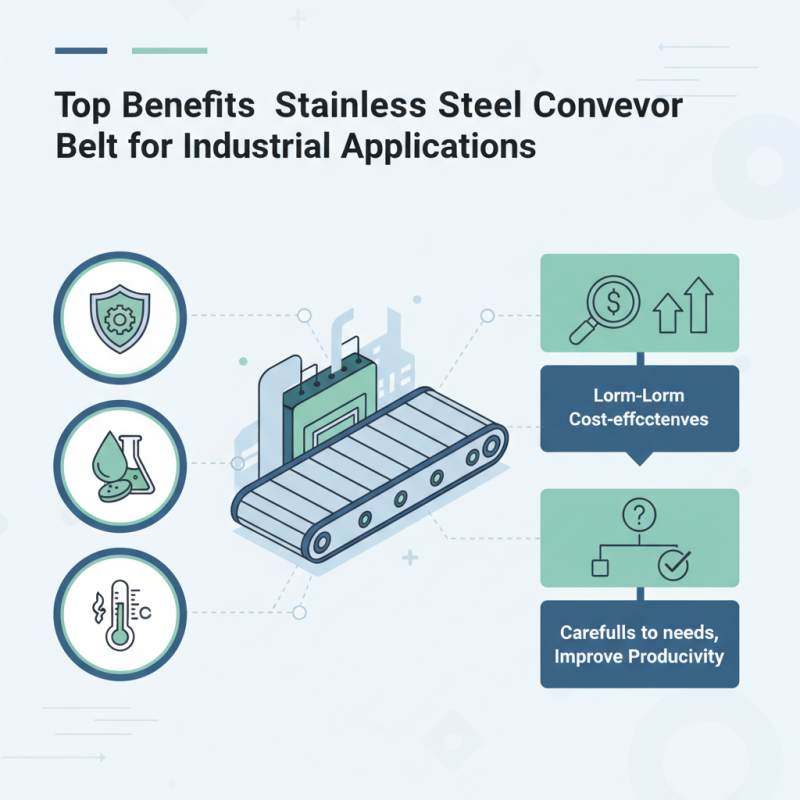
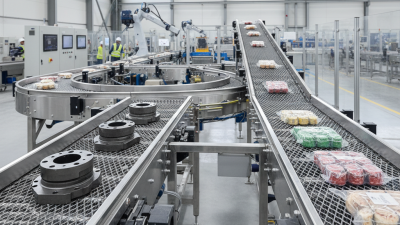
The stainless steel conveyor belt is transforming industrial applications. Many industries rely on these belts for efficient operations. Their durability and resistance to corrosion make them ideal for harsh environments.
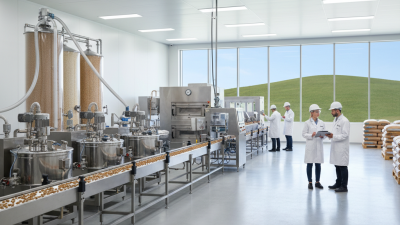
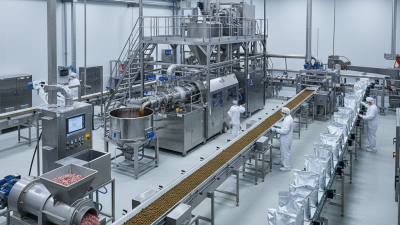
In food processing, for example, stainless steel conveyor belts ensure hygiene and safety. They withstand rigorous cleaning processes, maintaining sanitation standards. Despite these benefits, some may overlook the long-term cost-effectiveness of these belts.
Additionally, they adapt well to various temperatures. This can be a challenge for other materials. However, choosing the right stainless steel conveyor belt requires careful consideration. Businesses should assess their specific needs. Not every belt fits every application. In the end, the right choice can lead to improved productivity and fewer maintenance issues.
Advantages of Stainless Steel Conveyor Belts in Industrial Settings
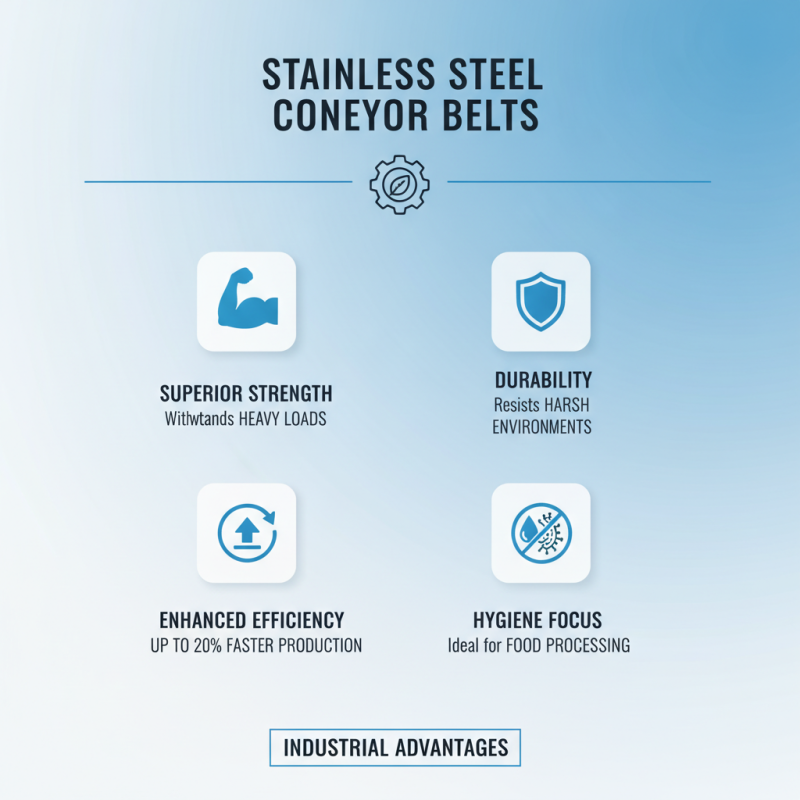
Stainless steel conveyor belts are gaining traction in various industrial applications. Their strength is a primary advantage. These belts withstand heavy loads and harsh environments. According to a recent industry report, stainless steel belts can enhance production efficiency by up to 20%. This is crucial in sectors like food processing, where hygiene is paramount.
Another key aspect is the longevity of stainless steel. These belts resist corrosion and high temperatures. A study indicates that stainless steel options can last five times longer than traditional materials. This durability reduces maintenance costs significantly. Companies often overlook how initial investments can lead to long-term savings.
Cleanliness is vital in many industries. Stainless steel’s non-porous surface prevents contamination. For instance, in pharmaceutical manufacturing, it is crucial to maintain strict hygiene standards. Manufacturing plants often report a reduction in downtime when using stainless steel belts. Yet, not all plants properly utilize their potential. Some installations lack optimization strategies, reducing effectiveness. Proper training and monitoring can enhance their benefits.
Durability and Corrosion Resistance of Stainless Steel in Conveyors
Stainless steel conveyor belts are widely used in various industries due to their exceptional durability. The strength of stainless steel makes it resistant to wear and tear. This is crucial in environments where heavy loads are common. Unlike other materials, stainless steel maintains its integrity over time. High-stress situations won't easily damage it. This reliability is essential for continuous operation in factories.
Corrosion resistance is another significant advantage. Many industries deal with moisture, chemicals, and high temperatures. Stainless steel can withstand these harsh conditions without weakening. It does not rust or degrade like other metals. This property enhances the lifespan of the conveyor system. However, regular maintenance is still needed to ensure optimal performance. Despite its strength, neglecting basic cleaning can lead to issues. Ensuring the conveyor remains free from contaminants is vital for long-term efficiency. The balance between durability and maintenance is something all operators must consider.
Top Benefits of Stainless Steel Conveyor Belt for Industrial Applications
| Benefit |
Description |
Examples of Use |
| Durability |
Stainless steel conveyor belts are capable of withstanding harsh environments, reducing the need for frequent replacements. |
Food processing, mining, and automotive industries. |
| Corrosion Resistance |
They do not rust or corrode, which helps maintain hygiene and integrity of the transported products. |
Chemical processing and food production. |
| Temperature Resistance |
Stainless steel can perform effectively in both high and low temperatures. |
Baking ovens and cryogenic applications. |
| Easy Cleanliness |
The smooth surface of stainless steel makes it easy to clean, ensuring compliance with health regulations. |
Pharmaceutical and food industries. |
| Versatility |
Stainless steel conveyor belts are available in various designs, sizes, and configurations, suitable for numerous applications. |
Packaging, logistics, and material handling. |
Hygienic Benefits of Stainless Steel in Food Processing Applications
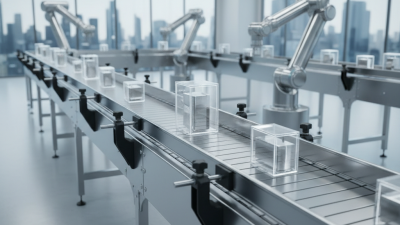
Stainless steel conveyor belts play a crucial role in food processing. They are easy to clean and maintain, essential for hygiene standards. Surfaces are smooth, reducing the risk of bacteria growth. In busy production environments, this is vital. Regular cleaning can be a challenge, but the durability of stainless steel helps.
Another advantage lies in its resistance to corrosion and staining. Food processing often involves moisture and various acids. Stainless steel withstands these elements better than other materials. However, it is important to note that neglect in maintenance can lead to issues. Areas that aren't regularly cleaned may become problematic.
Hygiene is paramount in food production. Contamination can have serious consequences. Using stainless steel helps ensure a safer process. Yet, human error in handling and cleaning cannot be overlooked. Training staff on proper practices is essential. A focus on hygiene practices is necessary to leverage the full benefits of stainless steel.
Customization and Versatility of Stainless Steel Conveyor Belt Designs
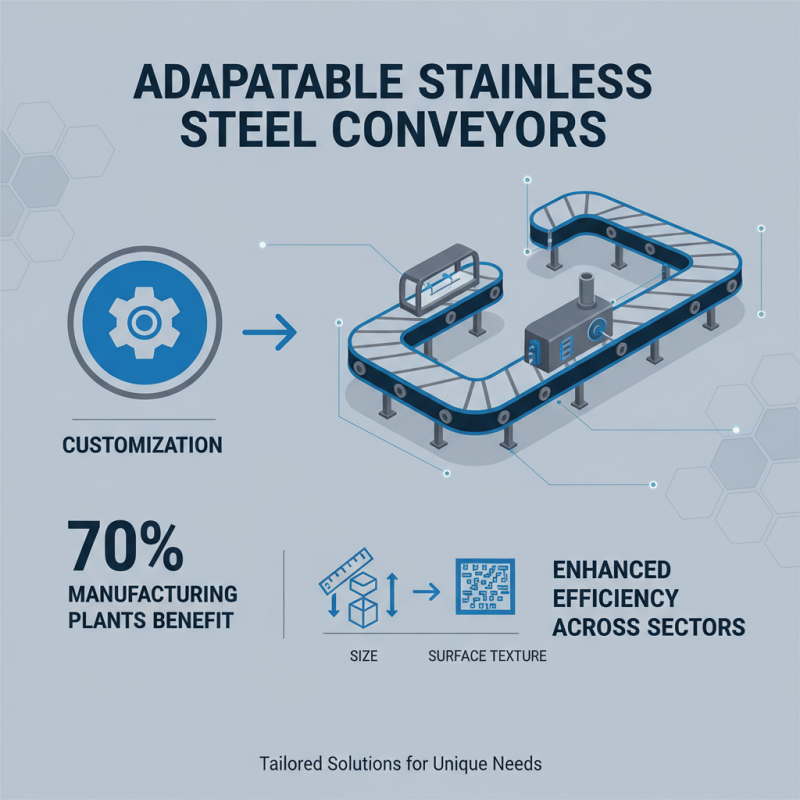
Stainless steel conveyor belts are highly customizable. This flexibility allows industries to adapt designs based on specific needs. Reports indicate that around 70% of manufacturing plants benefit from tailored conveyor solutions. This includes modifications in size, shape, and surface texture. Each adjustment serves a unique purpose, enhancing efficiency across multiple sectors.
Customization can improve durability as well. A study found that belts specifically designed for food processing industries experienced 30% less wear over time. Proper surface treatment also minimizes slip risks. Certain designs permit easy cleaning, which is crucial in maintaining hygiene.
Tips: When selecting a conveyor belt, consider the specific application. Understand the materials being transported and their properties. Think about potential challenges, like temperature fluctuations or chemical exposure. Evaluate these factors to ensure optimal performance. It’s essential to remain open to improvements and reconsider designs regularly.
Cost-Effectiveness and Long-Term Value of Stainless Steel Belts
Stainless steel conveyor belts are crucial in various industries. They offer remarkable cost-effectiveness and long-term value. One study found that stainless steel belts can last up to five times longer than conventional materials. This durability reduces the need for frequent replacements. Companies can save significantly on maintenance costs.
Additionally, stainless steel is resistant to corrosion, which is vital in many industrial settings. A recent industry report highlighted that businesses using stainless steel belts experience a 20% lower total cost of ownership. This statistic underscores the financial benefits. However, it's essential to factor in the initial investment. While stainless steel may cost more upfront, the longevity and reduced maintenance can yield greater savings over time.
Some might argue that the initial price can be a barrier. This concern is valid. Buyers should weigh short-term vs. long-term costs. Investing in stainless steel could lead to unexpected delays. Yet, those who make the switch often find it pays off.
Top Benefits of Stainless Steel Conveyor Belt for Industrial Applications
The chart above illustrates the key benefits of stainless steel conveyor belts in industrial applications. The scores represent the perceived level of each benefit on a scale from 1 to 10. Stainless steel belts are particularly valued for their durability and corrosion resistance, making them a cost-effective choice over the long term.