2026 Top Belt Conveyor Parts Guide for Efficient Material Handling?
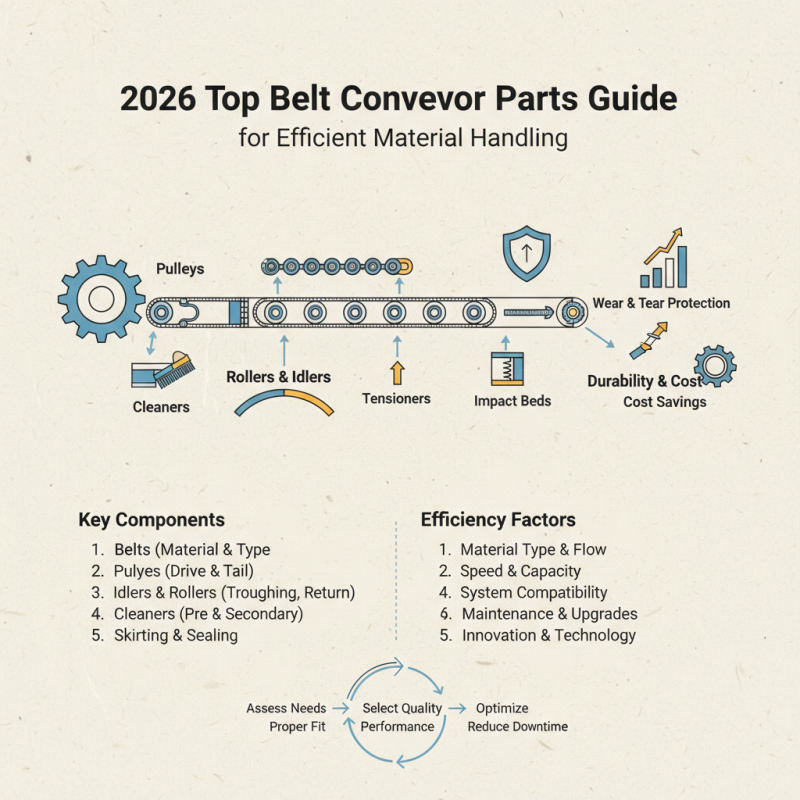
The efficiency of material handling systems heavily relies on their components. Belt conveyor parts play a crucial role in this process. Selecting the right parts can enhance performance and reduce downtime. Every component matters, from belts to pulleys, each must be compatible.
As industries evolve, so do the demands on conveyor systems. Users must understand the various belt conveyor parts available today. Identifying high-quality components can lead to significant improvements. However, choosing the right parts can be challenging. Many overlook the importance of a proper fit.
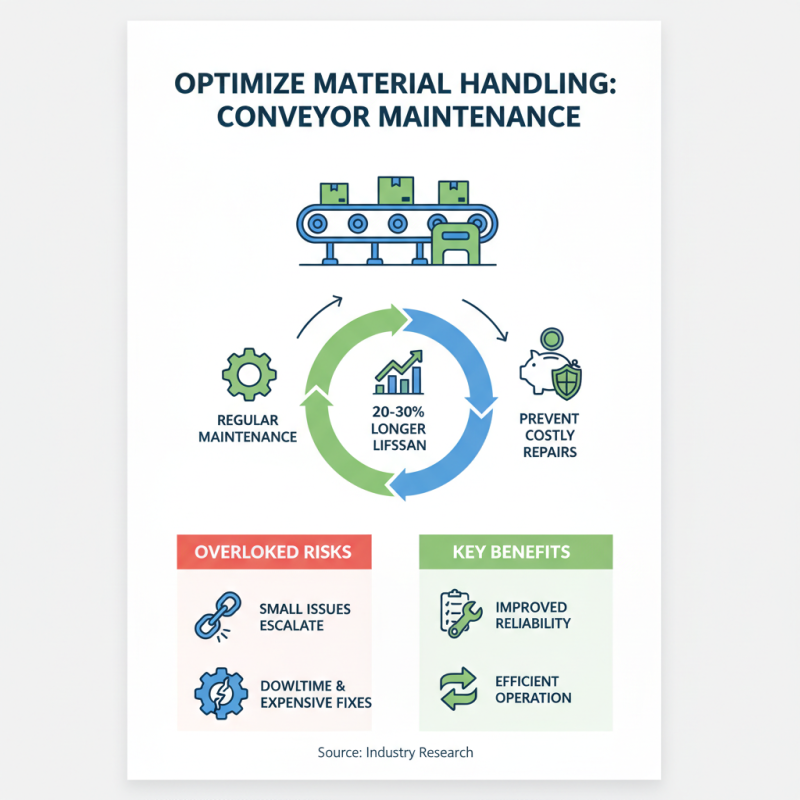
Taking time to assess conveyor needs leads to better outcomes. Underestimating the impact of wear and tear might lead to failures. Investing in durable parts can save costs in the long run. Regular maintenance and upgrades are vital for optimal efficiency. Awareness of the latest innovations in belt conveyor parts can make a difference.
Overview of Belt Conveyor Systems and Their Applications
Belt conveyor systems play a crucial role in various industries. They are designed to efficiently transport materials across different distances. These systems can handle bulk materials like coal, grain, or sand, as well as unit loads such as bags and boxes. Their versatility makes them invaluable in manufacturing, mining, and logistics.
When selecting a belt conveyor system, it’s essential to consider the specific application. Different materials require different handling methods. For instance, fragile items need gentler handling. Heavy materials may need reinforced belts. Not all conveyors can adapt to these needs perfectly, which is a common oversight.
**Tip:** Regular maintenance is vital. Check belts for wear and tear frequently. Delayed inspections can lead to unexpected breakdowns, disrupting operations.
Understanding the layout of your facility is also important. Conveyor paths should minimize bends and turns. This can help in maximizing efficiency. However, every layout has its challenges and may need adjustments over time.
**Tip:** Training staff on proper loading techniques can improve efficiency. Misloading can cause jams and slow down operations. A small error can lead to big problems in throughput.
2026 Belt Conveyor Efficiency Metrics
This chart illustrates the efficiency metrics of different components used in belt conveyor systems, including idlers, belts, and pulleys. The data represents the average efficiency percentage over various applications.
Key Components of Belt Conveyors: A Comprehensive Breakdown
Belt conveyors are vital in material handling across various industries. Understanding the key components is crucial for efficient operations. The components include pulleys, belts, rollers, and motors. Each plays a specific role in delivering materials seamlessly.
Pulleys support the belt and keep it in place. Their design influences system performance. Interestingly, studies show that about 80% of maintenance issues stem from pulley wear. Regular inspections can avoid unexpected downtime. It is essential to monitor their condition actively.
Belts come in various materials, affecting durability and performance. A report indicates that the right belt choice can enhance energy efficiency by up to 30%.
Tips: Ensure proper tension to extend belt life. Over-tensioned belts can lead to early failure. Monitor temperature levels as overheating leads to material degradation.
Rollers facilitate smooth belt movement. They can be prone to wear, so regular replacements are necessary. Inadequate roller maintenance might result in misalignment, affecting productivity. Balancing cost-saving with quality is a challenge that needs reflection.
2026 Top Belt Conveyor Parts Guide for Efficient Material Handling
| Component |
Material |
Function |
Efficiency Impact |
| Belt |
Polyester |
Transport materials |
High durability increases lifespan |
| Pulley |
Steel |
Support belt and maintain tension |
Ensures smooth operation |
| Motor |
Aluminum |
Drives system |
Optimizes speed and load handling |
| Idler |
Rubber |
Support belt and reduce friction |
Enhances energy efficiency |
| Bearings |
Steel |
Reduces friction in moving parts |
Improves reliability of operation |
Selecting the Right Materials for Optimal Conveyor Performance
Selecting the right materials for belt conveyors is crucial for optimal performance. Different industries require specific materials based on weight, size, and environmental conditions. For example, rubber belts excel in high-impact environments. They offer durability and resistance to wear. In contrast, PVC belts may be preferable in food handling due to their safety and easy cleaning properties.
When choosing materials, consider factors like friction and temperature resistance. A recent report by the Conveyor Equipment Manufacturers Association noted that selecting appropriate belt materials can improve efficiency by up to 20%. This data emphasizes the importance of thorough analysis when making decisions.
**Tips:** Conversely, improper material choices can lead to frequent breakdowns. It’s vital to evaluate your conveyor's workload. Assessing load capacity will help you avoid potential mishaps as well.
Moreover, the selection process might feel overwhelming. Consulting with industry experts can shed light on common mistakes. Overlooking the specific demands of your application can hinder optimal performance. Make careful comparisons before final decisions.
Innovations and Future Trends in Belt Conveyor Technology
Innovations in belt conveyor technology are reshaping material handling.
Automation is a key trend. Intelligent systems reduce human error and enhance efficiency. Sensors now track product movement in real-time. This leads to smarter logistics and improved flow.
Another emerging trend is sustainability. Eco-friendly materials are becoming more common.
Conveyor belts made of recycled materials help reduce waste.
Energy-efficient motors also cut down power consumption, saving costs in the long run. These advancements come with challenges. Companies must adapt to new systems while managing costs effectively.
Tips:
Regular maintenance is crucial. Analyze wear and tear on belts often. This helps prolong lifespan and prevent breakdowns. Keep an eye on technological changes too. Staying updated can significantly improve operations. Embrace the innovation, but also consider your setup's compatibility. It’s all about balance.